The show can be performed in one or two acts.
Act I
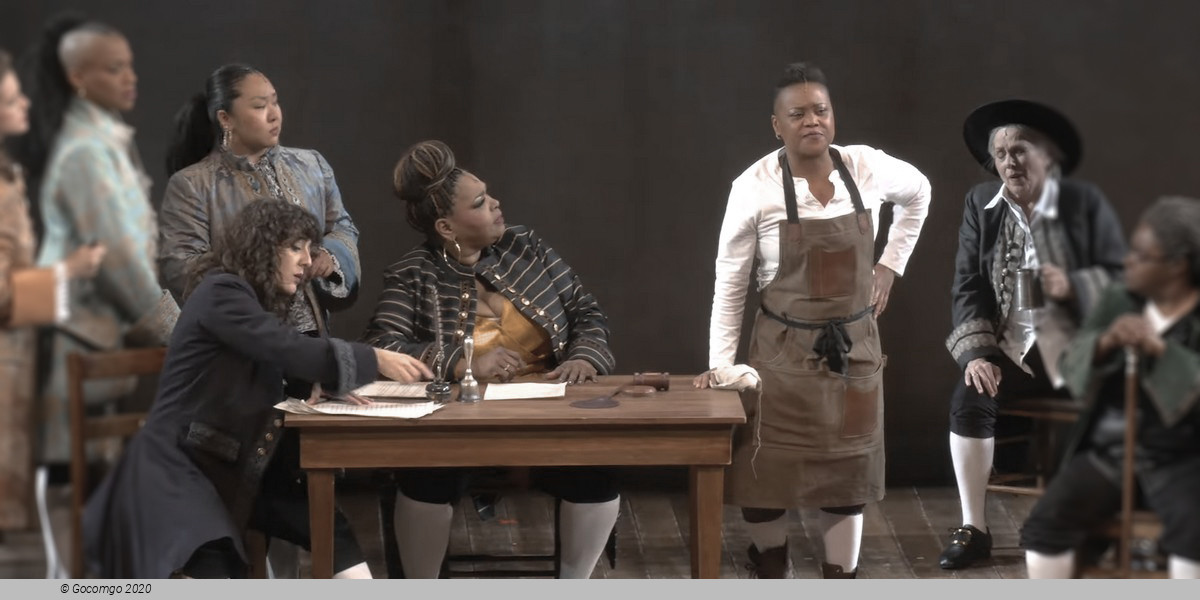
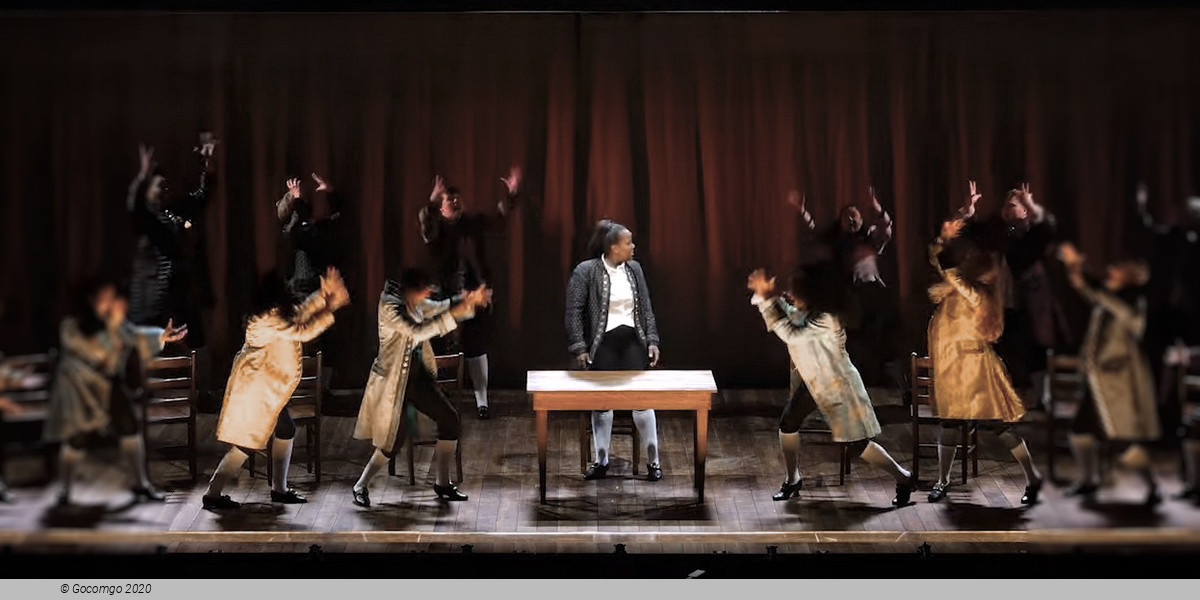
On May 8, 1776, in Philadelphia, the Second Continental Congress proceeds with its business. John Adams, the widely disliked delegate from Massachusetts, is frustrated because Congress will not even debate his proposals on independence. The other delegates, preoccupied by the rising heat, implore him to "Sit Down, John." Adams denounces the do-nothing Congress ("Piddle, Twiddle, and Resolve"), then reads the latest missive to his loving wife Abigail, who speaks to him in his imagination ("Till Then"). Later that day, Adams meets delegate Benjamin Franklin, who suggests that because Adams is unpopular, another delegate must propose a resolution on independence. Richard Henry Lee of Virginia enters, having been earlier invited by Franklin; Adams and Franklin persuade Lee to ask the Virginia House of Burgesses to authorize a pro-independence resolution ("The Lees of Old Virginia").
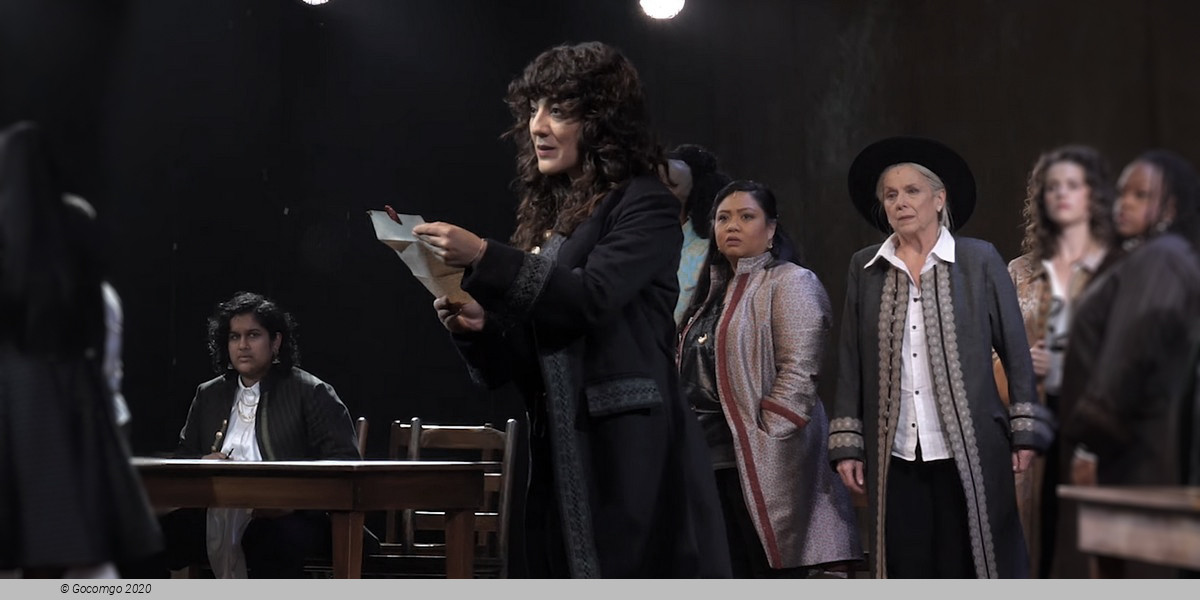
Weeks later, new delegate Dr. Lyman Hall of Georgia arrives and is introduced to many important members of Congress, including Andrew McNair, the custodian; Stephen Hopkins of Rhode Island; Edward Rutledge of South Carolina; and Caesar Rodney of Delaware, among others. As Congress is assembled, John Hancock, the president of Congress, notes that the entire New Jersey delegation has been gone for quite some time. A gloomy letter from George Washington, commander the Continental Army, appears by courier, and it is read aloud by Charles Thomson, the Congressional Secretary. Comically, the proceedings are interrupted when a fire wagon passes by. Shortly thereafter, Richard Henry Lee returns, bearing a resolution for independence. Elated, Adams seconds the motion to open debate on the resolution.
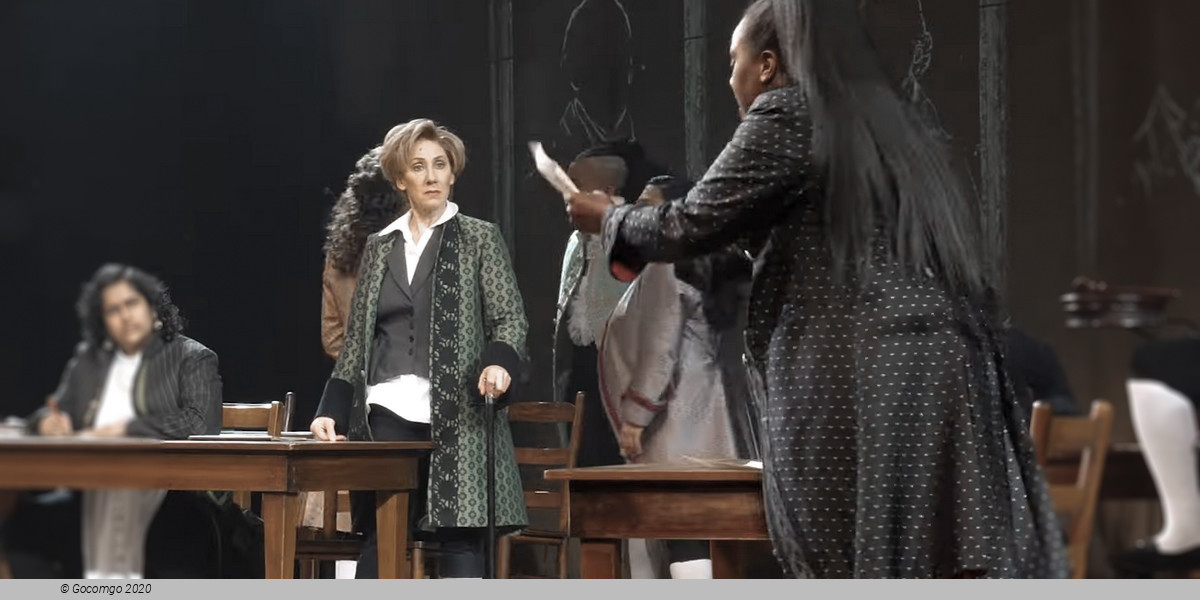
John Dickinson of Pennsylvania, a conservative and royal apologist, immediately moves to table the debate. The vote is close, but debate is ultimately approved, prompting Dickinson to denounce desire for independence as overreaction to petty squabbles with Great Britain. The debate becomes more heated and personal, sparking a fight between Dickinson and Adams and causing Caesar Rodney (who is ailing from cancer) to swoon and collapse. Rodney is taken back to Delaware, leaving their delegation as George Read alone. Since Read is a conservative, South Carolina's Edward Rutledge moves to quickly end the debate and vote on independence, knowing it is likely to fail. At this moment, the new delegation from New Jersey, arrives, with leader John Witherspoon announcing he has explicit orders to vote for independence. Adams, now seeing a path to victory, pushes to proceed with the vote, since ties are broken by Hancock and Adams believes Hancock is a firm believer in independence.
Dickinson suddenly makes another motion: to make the vote for independence require a unanimous vote. The vote, predictably, ends in a tie, but Hancock unexpectedly votes in favor of unanimity, explaining that if the colonies are not unanimous in their opinion, loyalist colonies will be turned against pro-independence colonies, spawning a civil war.
Looking for a way to save the independence movement, Adams proposes to adjourn the vote for three weeks time to allow for the creation of a formal Declaration of Independence, that can be used in the courts of Europe to rally favor and assistance to the cause of American independence (this will also grant Adams time to persuade the anti-independence delegates to his side). Again, the vote to adjourn ties; this time, Hancock breaks the tie, as many in Congress would like to have a break. Before they adjourn, John Hancock appoints a committee of Adams, Franklin, Roger Sherman of Connecticut, Robert Livingston of New York, and Jefferson to draft the declaration. The five argue about who should write the declaration ("But, Mr. Adams"), deciding on a reluctant Jefferson.
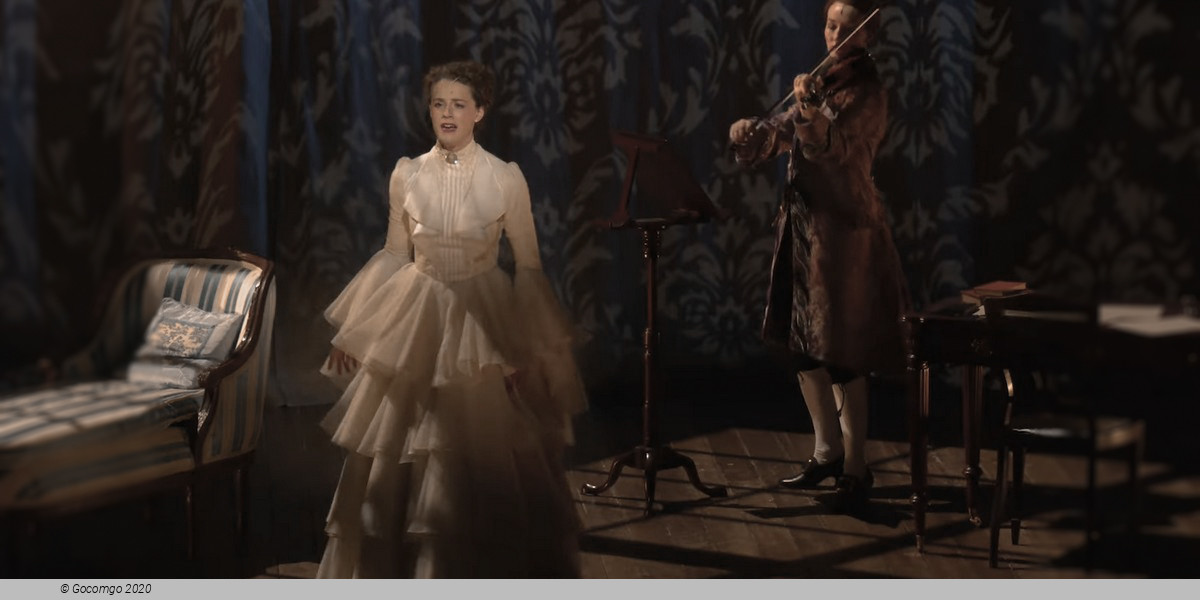
A week later, Adams and Franklin visit Jefferson, who has spent the week moping. But Adams has sent for Jefferson's beloved wife Martha. She enters and Adams and Franklin leave the young lovers in peace. Adams, alone, again exchanges letters with his wife Abigail ("Yours, Yours, Yours"). The next morning, Franklin and Adams ask Martha how deeply intellectual Jefferson wooed her ("He Plays the Violin").
John Dickinson leads his congressional allies in a defense of their wealth and status ("Cool, Cool Considerate Men"). They depart, leaving Andrew McNair (the custodian), the courier, and a workman in the chamber. The courier describes how his two closest friends were killed on the same day at Lexington ("Momma Look Sharp").
Act II
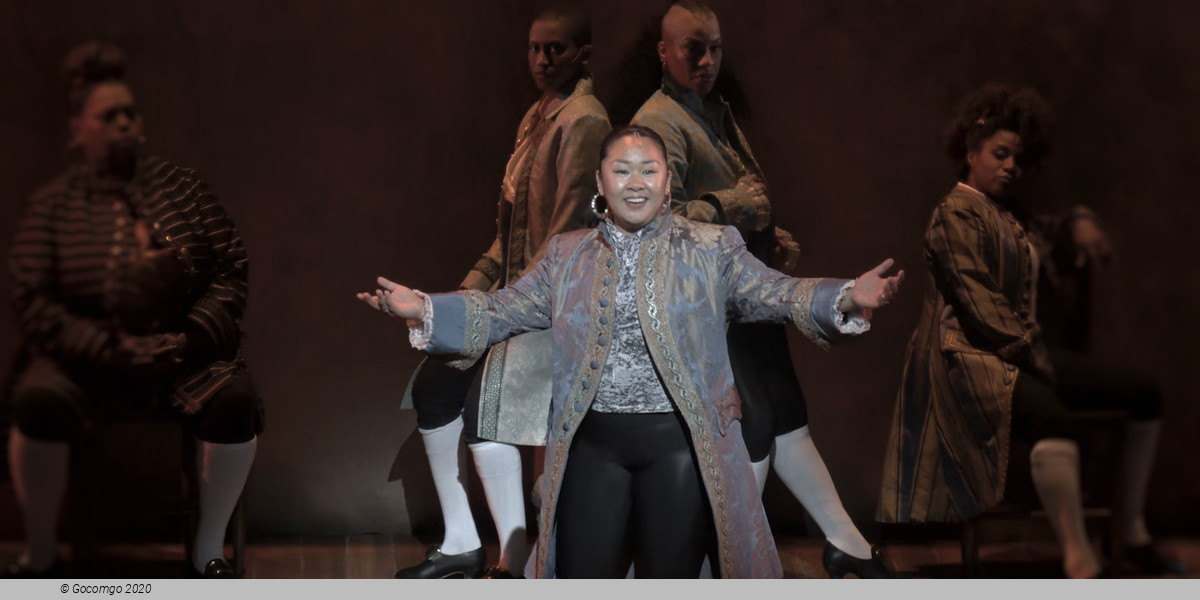
Jefferson is outside the chamber while Mr. Thomson reads the declaration to Congress. Adams and Franklin arrive, delighted: An exhibition of shooting by the Continental Army has convinced Chase, and Maryland will vote in favor of independence. They congratulate Jefferson on his work, and Franklin compares the creation of this new country to the hatching of a bird ("The Egg"). They debate which bird would best represent America; Franklin argues for the turkey, and Jefferson suggests the dove, but Adams insists on the eagle. The others resign themselves to that choice.
On June 28, Hancock asks if there are any alterations to be offered to the Declaration of Independence. Many delegates voice suggestions. Edward Rutledge of South Carolina objects to a clause condemning the slave trade. He accuses the northern colonies of hypocrisy, as they also prosper from slavery, through the Triangle Trade ("Molasses to Rum"). Rutledge leads a walk-out with the delegates from both Carolinas and Georgia. The resolve of the other delegates is broken, and most of them also leave. Adams' faith in himself is shaken. Re-reading a dispatch from Washington, Adams, now alone, wonders "Is Anybody There?"
It is now July 2. Hancock calls for the vote on the Lee Resolution. Thomson calls on each delegation. Rutledge again presses to have the slavery clause removed under threat of none of the southern states signing; Franklin argues they must first win independence before there is any hope of abolishing slavery, and Jefferson reluctantly crosses it out with his pen. But Pennsylvania still opposes independence. When Dickinson is about to announce that his colony votes "nay," Franklin demands that the delegation be polled. Everyone turns to James Wilson, the deciding vote in the Pennsylvania delegation. Wilson all along has subordinated himself to Dickinson. Suddenly, fearing that he would be forever remembered as the man who prevented American independence, Wilson changes his vote and votes for independence. There are now no dissenting colonies.
Hancock proposes that no man be allowed to sit in Congress without signing the Declaration. Dickinson announces that he cannot in good conscience sign it, and still hopes for reconciliation with England; however, he resolves to join the army to fight for and defend the new nation. Adams leads Congress in a salute to Dickinson as he leaves the chamber.
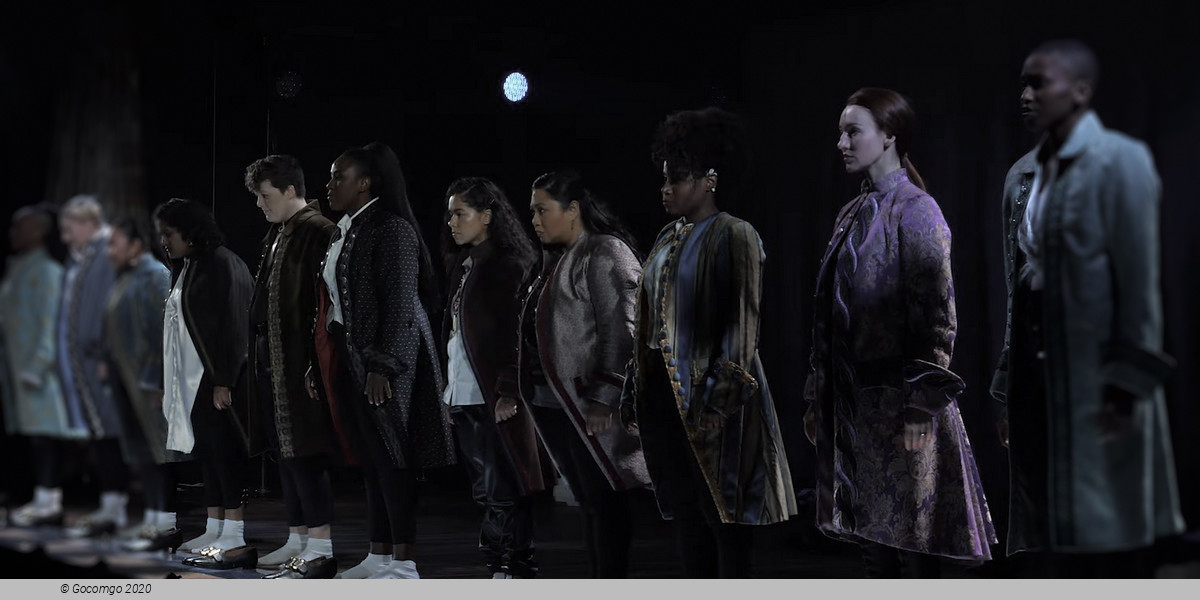
On the evening of July 4, McNair rings the Liberty Bell in the background as Thomson calls each delegate to sign the Declaration. The delegates freeze in position as the Liberty Bell rings to a fevered pitch.




 227 West 42nd Street