Burgtheater tickets 27 September 2026 - 3000 Einzelteile (3000 Numbered Pieces) | GoComGo.com

3000 Einzelteile (3000 Numbered Pieces)

Burgtheater, Akademietheater, Vienna, Austria
All photos (4)
Select date and time
7 PM
From
US$ 100

E-tickets: Print at home or at the box office of the event if so specified. You will find more information in your booking confirmation email.

You can only select the category, and not the exact seats.
If you order 2 or 3 tickets: your seats will be next to each other.
If you order 4 or more tickets: your seats will be next to each other, or, if this is not possible, we will provide a combination of groups of seats (at least in pairs, for example 2+2 or 2+3).

Important Info
Type: Play
City: Vienna, Austria
Starts at: 19:00
Intervals: 1
Duration: 2h 40min
Sung in: German

E-tickets: Print at home or at the box office of the event if so specified. You will find more information in your booking confirmation email.

You can only select the category, and not the exact seats.
If you order 2 or 3 tickets: your seats will be next to each other.
If you order 4 or more tickets: your seats will be next to each other, or, if this is not possible, we will provide a combination of groups of seats (at least in pairs, for example 2+2 or 2+3).

Cast
Performers
Actor: András Kazári
Actress: Hajnalka Szakács
Actress: Klára Német
Creators
Author: Ádám Császi
Music: Csaba Kalotás
Choreography: Krisztián Gergye
Overview

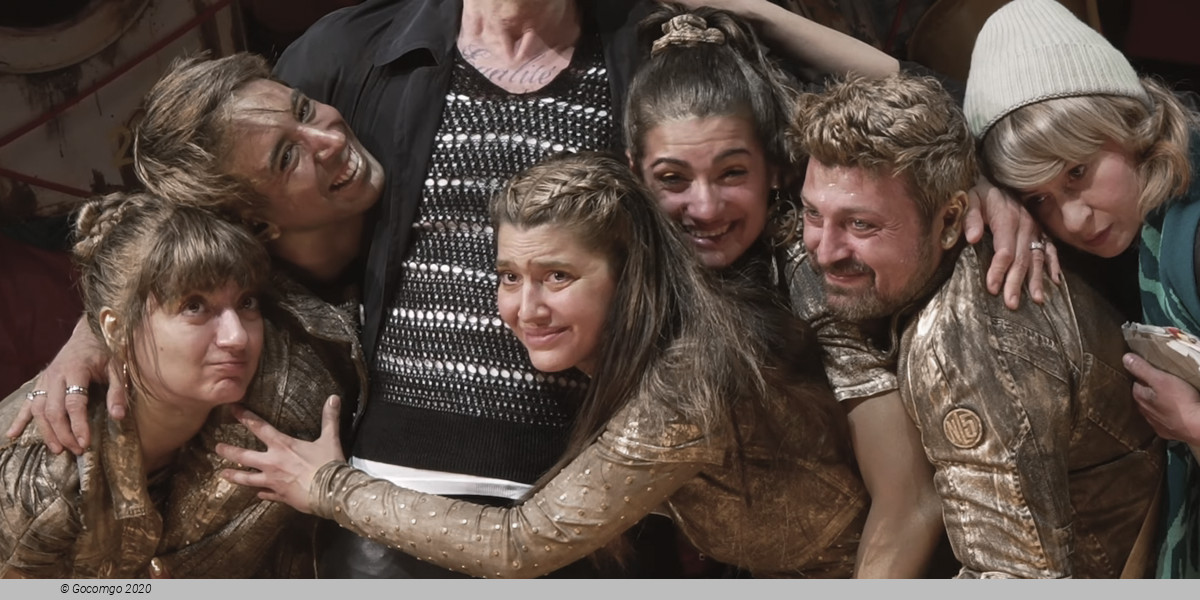
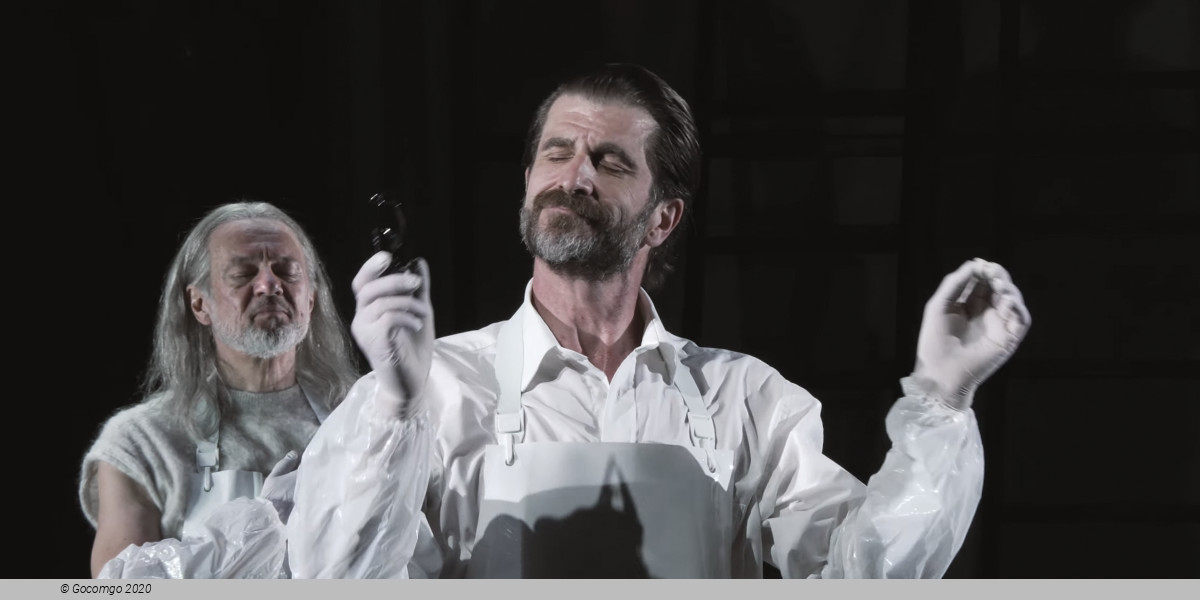
A theatre director is commissioned to create a production with Roma actors using their real-life biographies. What begins as an attempt to achieve authenticity gradually turns into a sharp satire about representation, exploitation, and the limits of artistic ambition.

Based on his award-winning film Three Thousand Numbered Pieces, Hungarian director and playwright Ádám Császi examines the complex relationship between art, authenticity, and social responsibility.

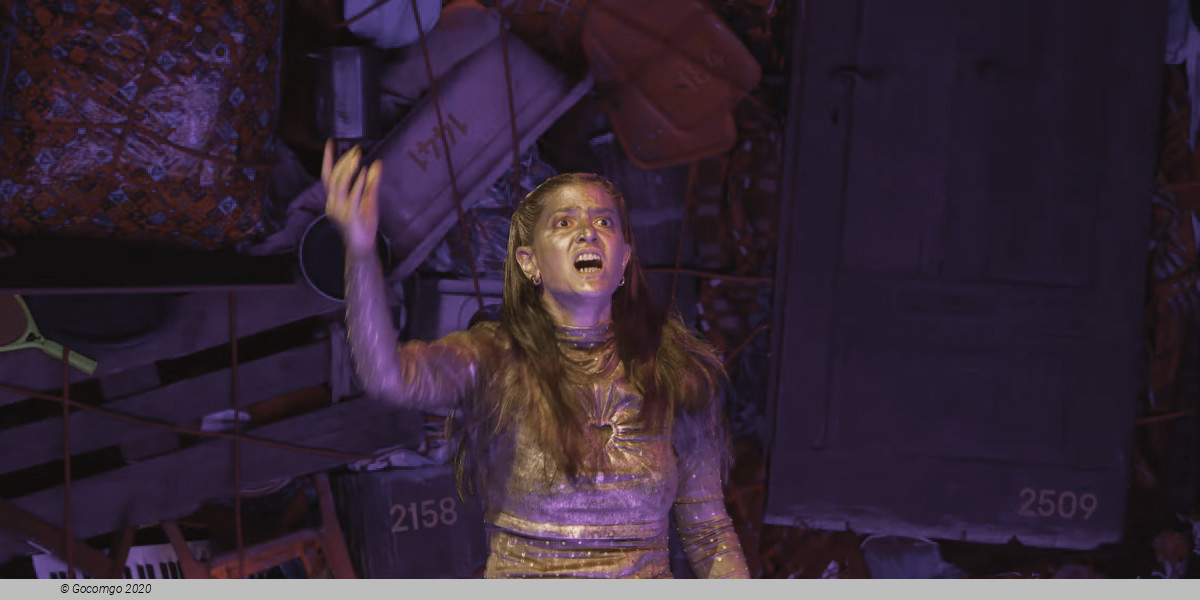
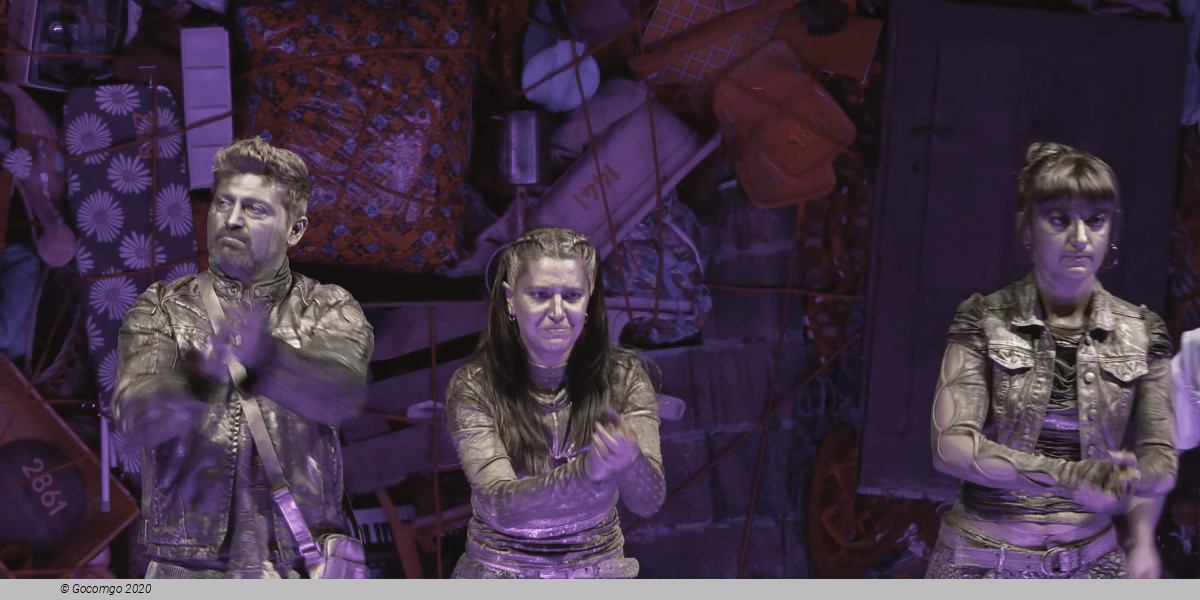
A theatre director receives a commission from the Burgtheater to create a production with Roma performers. Seeking maximum authenticity, he decides to use the actors' real biographies and even has a house from their village dismantled into 3,000 individual pieces so it can be reconstructed on the stage of the Akademietheater.

As rehearsals progress, the boundaries between documentary and fiction become increasingly blurred. The production becomes a provocative exploration of cultural representation, privilege, artistic ethics, and the unintended consequences of good intentions.

Venue Info

Burgtheater - Vienna
Location   Universitätsring 2

The Burgtheater, originally known as K.K. Theater an der Burg, then until 1918 as the K.K. Hofburgtheater, is the National Theater of Austria in Vienna. It is the most important German language theater and one of the most important theaters in the world. The Burgtheater was opened in 1741 and has become known as "die Burg" by the Viennese population; its theater company has created a traditional style and speech typical of Burgtheater performances.

In 1776, when Joseph II declared that the theatre we know today as the Burgtheater would be renamed Teutsches Nationaltheater, this marked the beginning of its German-language focus. The royal decree was a step towards strengthening the national language and represented an act of resistance against the predominance of French and Italian in theatres – languages that were only spoken and understood by an elite section of the population. The strong link between language and national identity continued to shape the Burgtheater in the time thereafter.
With Vienna being a world metropolis today, multilingualism is taken for granted as one of its cultural features for entirely different reasons. For many city dwellers, cosmopolitanism is an integral part of their biographies: engendered by social and economic conditions, facilitated by infrastructures, fuelled by the media, and personally experienced on a day-to-day basis. Languages have always been pliable and fluid when reacting to social changes, have integrated them, opposed them and advanced them. What is true for all languages is especially true for the languages of art.

The Burgtheater is a place of art and artists – no matter how they describe their background. It will present new languages and old languages in new registers, and occasionally even create new languages. It will be a space for a lively artistic exchange with mindsets and forms of expression beyond our inner and outer borders and limitations. It will be a space of extremes – extremely controversial, extremely varied, extremely urgent, extremely contemporary, extremely loud, extremely quiet, extremely Austrian, extremely international. And the entire spectrum of society is invited to enter this space.
From now on, the Burgtheater will no longer see itself as a “teutsches Nationaltheater” that only speaks in one tongue and only hears with one ear. It will never stop reflecting on itself and the languages that are spoken within and all around its walls. And it will never stop evolving. Full stop.

Important Info
Type: Play
City: Vienna, Austria
Starts at: 19:00
Intervals: 1
Duration: 2h 40min
Sung in: German
Top of page