Burgtheater tickets 22 September 2026 - Wir sind noch einmal davongekommen (The Skin of Our Teeth) | GoComGo.com

Wir sind noch einmal davongekommen (The Skin of Our Teeth)

Burgtheater, Burgtheater, Vienna, Austria
All photos (8)
Select date and time
7:30 PM
From
US$ 84

E-tickets: Print at home or at the box office of the event if so specified. You will find more information in your booking confirmation email.

You can only select the category, and not the exact seats.
If you order 2 or 3 tickets: your seats will be next to each other.
If you order 4 or more tickets: your seats will be next to each other, or, if this is not possible, we will provide a combination of groups of seats (at least in pairs, for example 2+2 or 2+3).

Important Info
Type: Play
City: Vienna, Austria
Starts at: 19:30
Intervals: 1
Duration: 3h
Sung in: German

E-tickets: Print at home or at the box office of the event if so specified. You will find more information in your booking confirmation email.

You can only select the category, and not the exact seats.
If you order 2 or 3 tickets: your seats will be next to each other.
If you order 4 or more tickets: your seats will be next to each other, or, if this is not possible, we will provide a combination of groups of seats (at least in pairs, for example 2+2 or 2+3).

Cast
Performers
Actress: Caroline Peters
Actor: Mehmet Ateşçi
Actor: Nicholas Ofczarek
Actress: Stefanie Reinsperger
Creators
Director: Stefan Bachmann
Music: Sven Kaiser
Author: Thornton Wilder
Overview

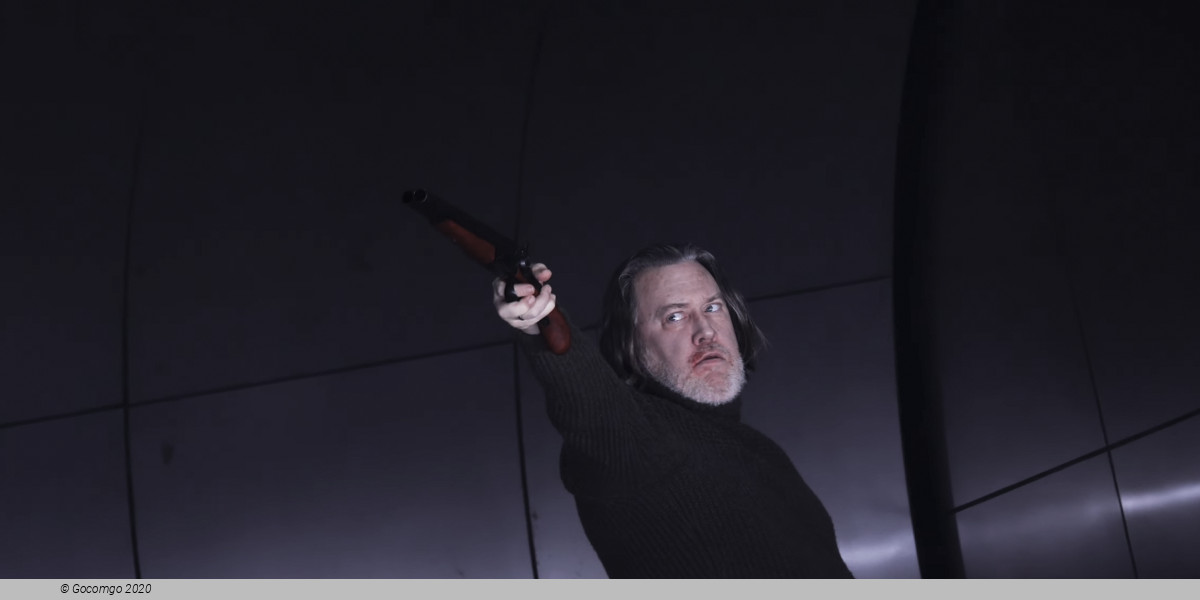
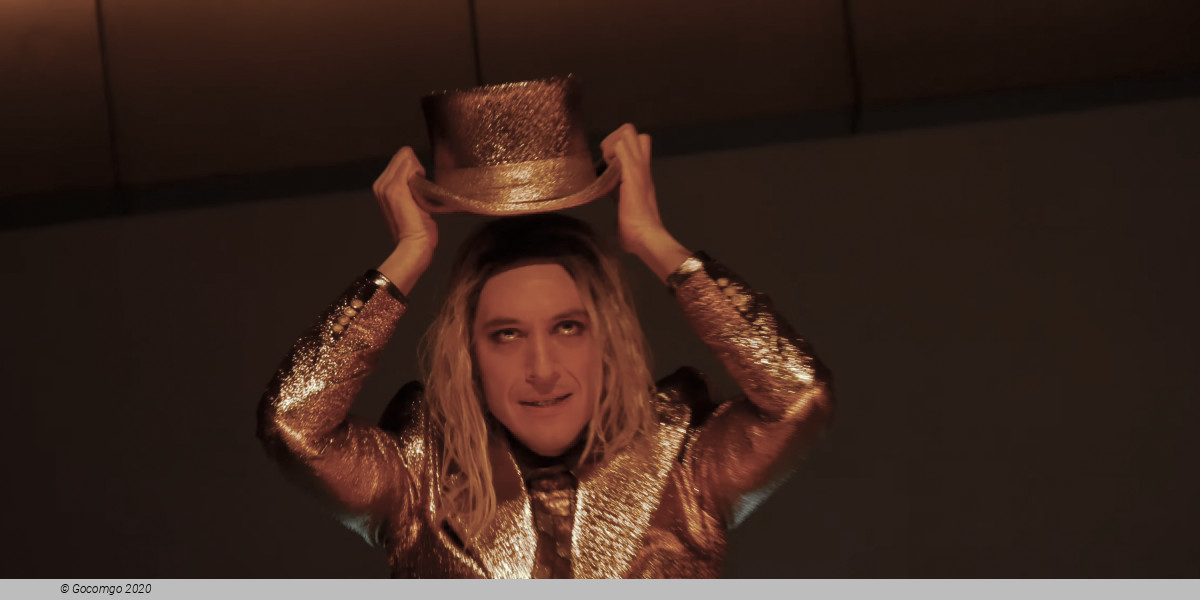
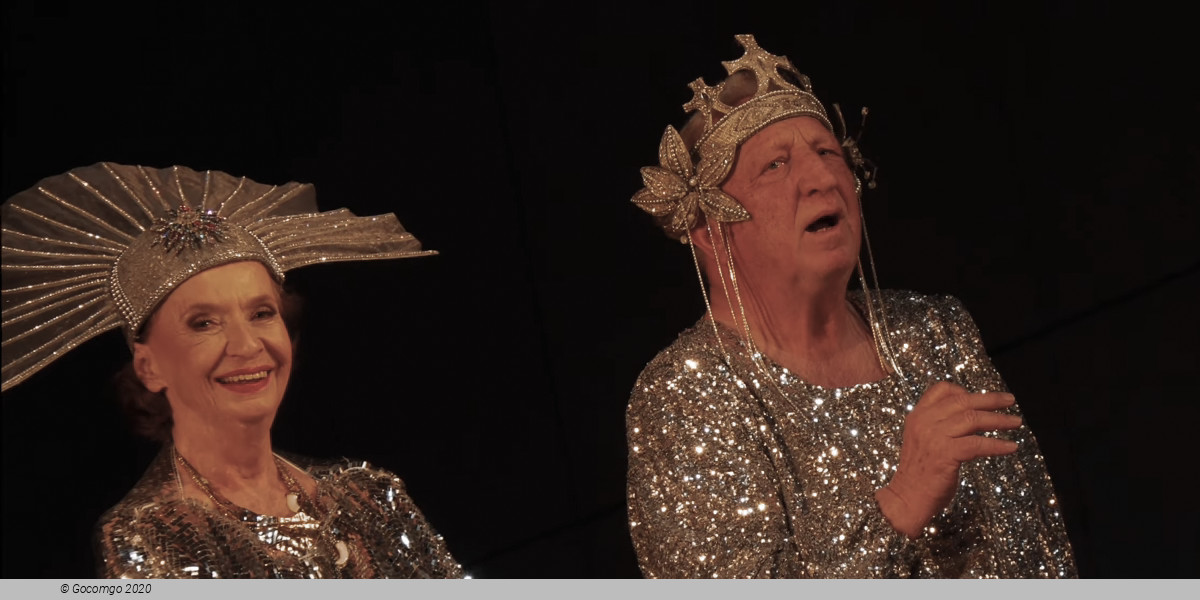
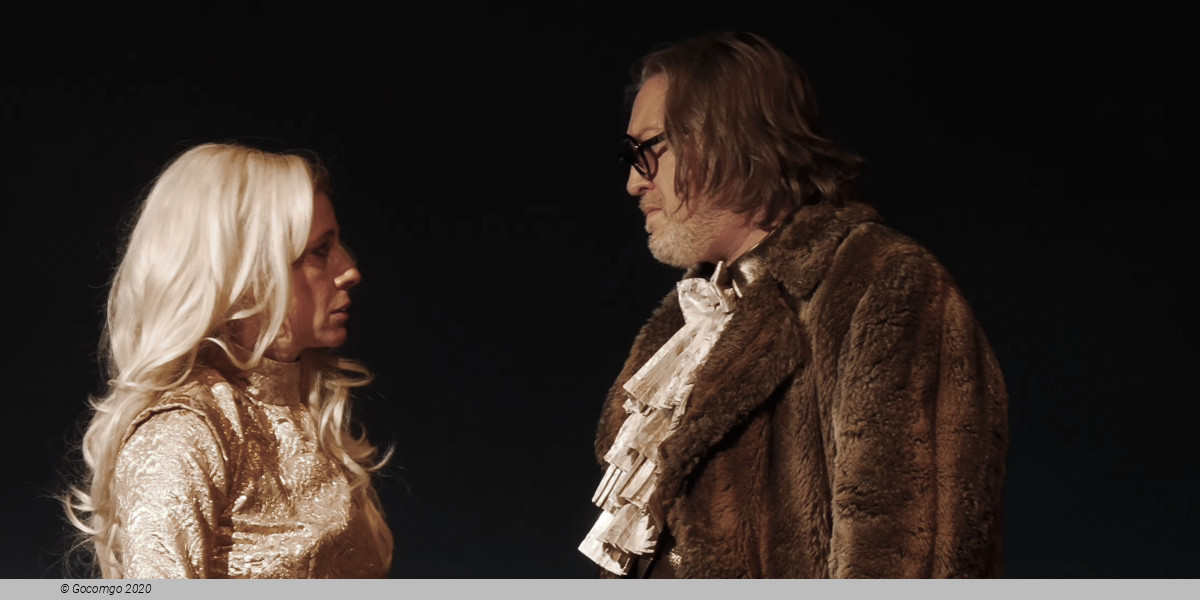
Thornton Wilder's Pulitzer Prize-winning masterpiece follows the Antrobus family as they survive three apocalyptic disasters—an Ice Age, a great flood, and war. Blending comedy, mythology, and philosophy, the play celebrates humanity's extraordinary resilience and its enduring hope for renewal.

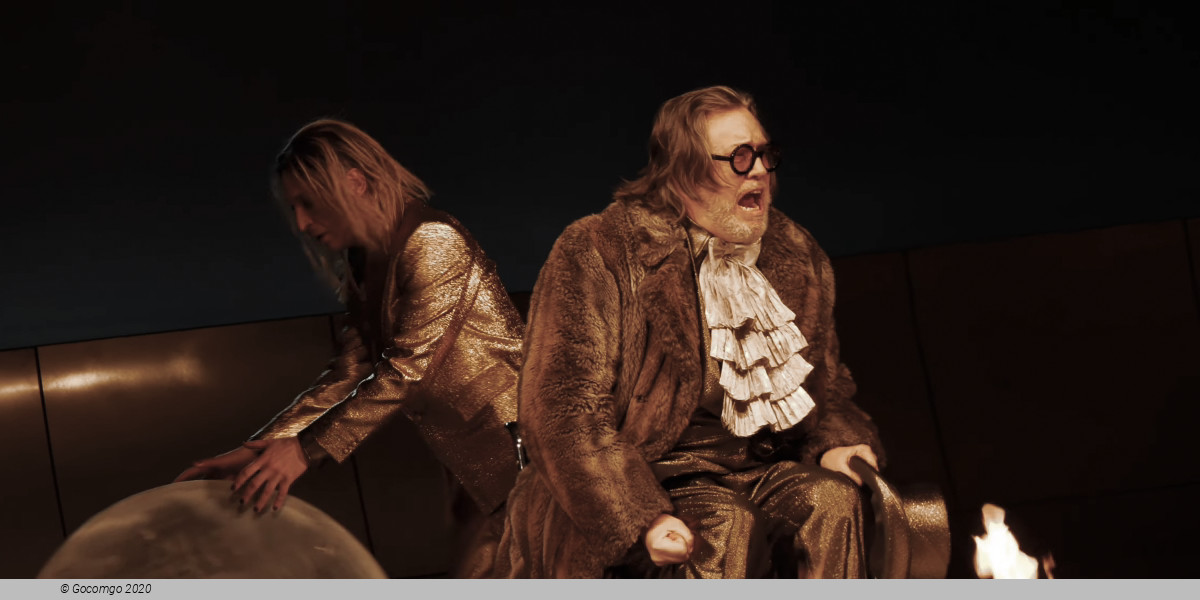
Written during the Second World War, The Skin of Our Teeth is one of Thornton Wilder's most imaginative and influential plays. The Antrobus family from New Jersey repeatedly finds itself facing the end of the world: first an Ice Age, then a biblical flood, and finally a devastating war.

Time and history dissolve as dinosaurs graze in the front yard, Homer and Moses seek refuge, and books in the family library begin to speak. Through this extraordinary mixture of fantasy, comedy, and tragedy, Wilder explores humanity's endless cycle of destruction and renewal, asking how civilization survives despite violence, fear, and catastrophe.

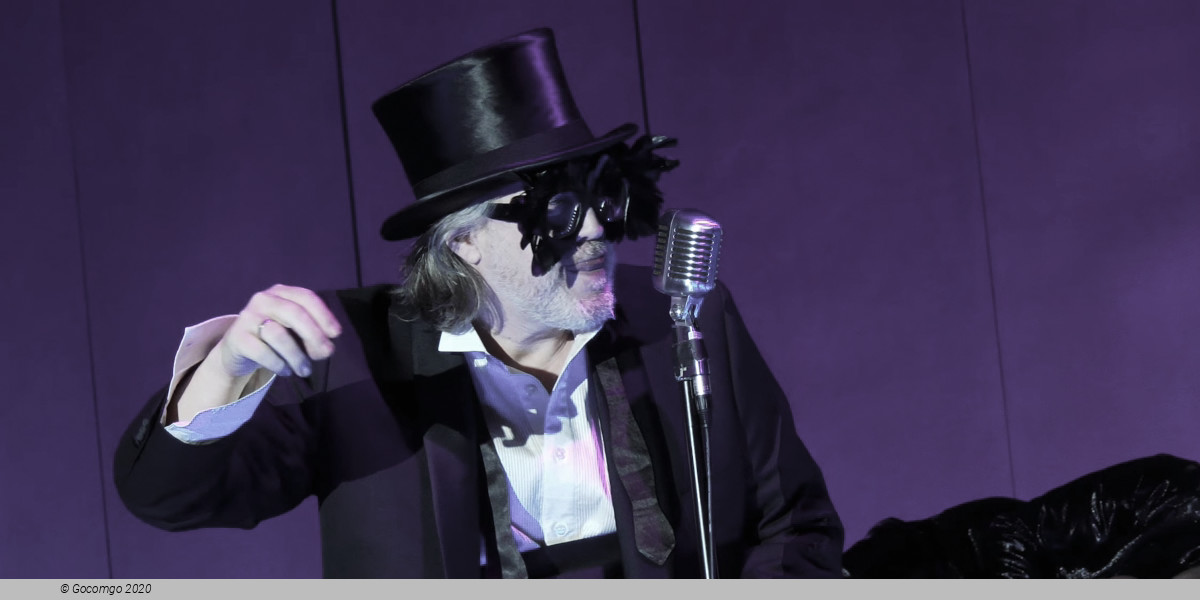
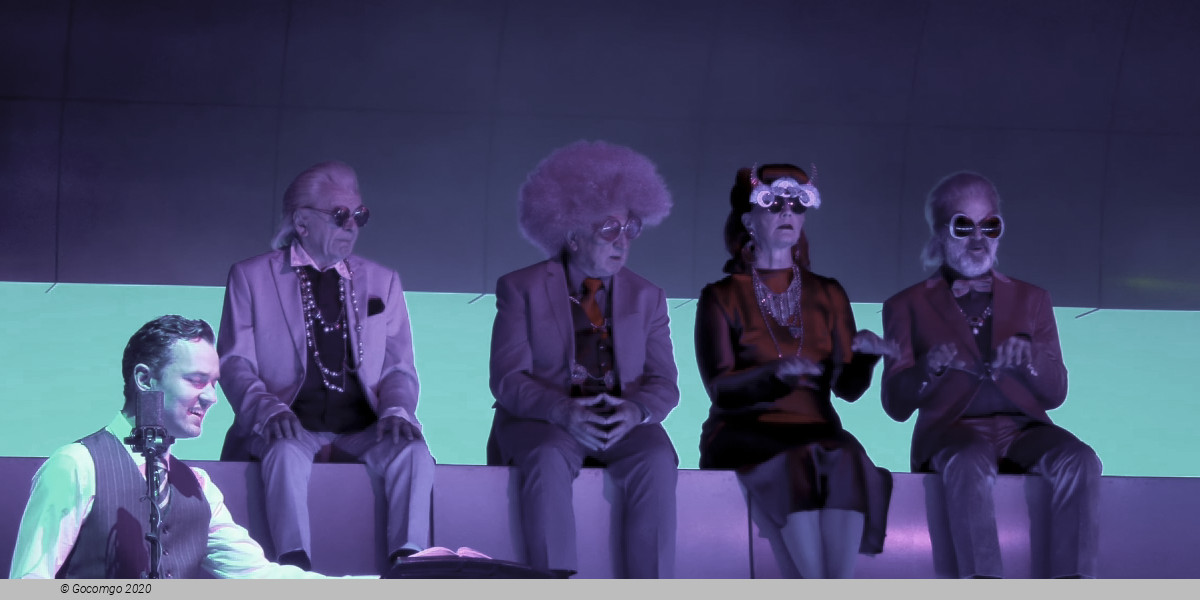
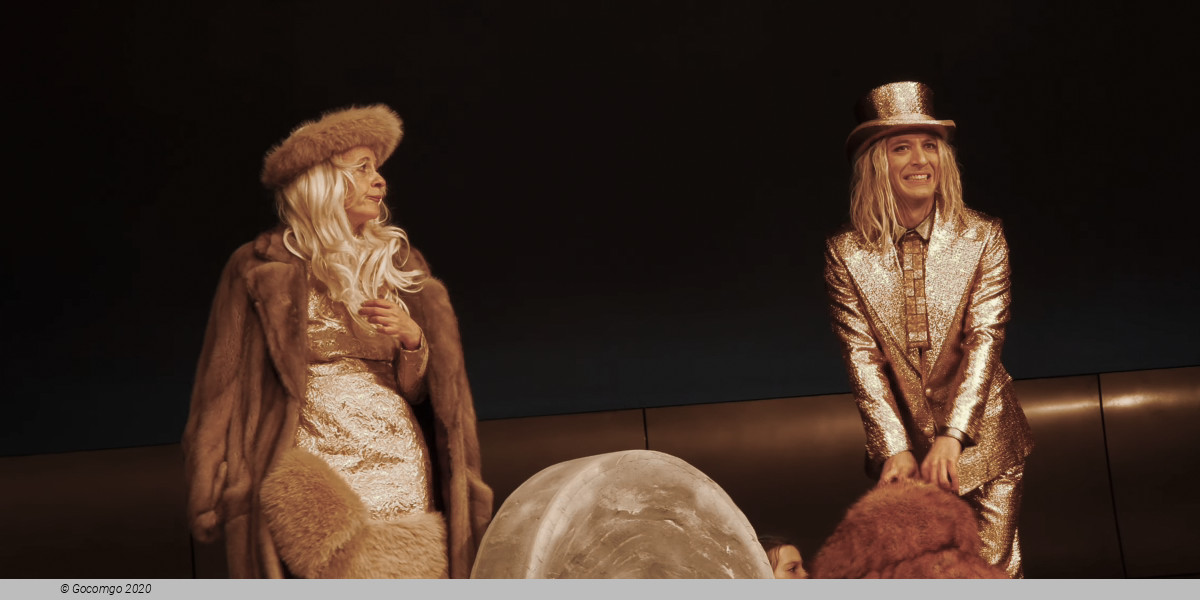
Directed by Stefan Bachmann, this Burgtheater production combines theatrical spectacle with philosophical reflection, reaffirming faith in human creativity, solidarity, and hope.

Venue Info

Burgtheater - Vienna
Location   Universitätsring 2

The Burgtheater, originally known as K.K. Theater an der Burg, then until 1918 as the K.K. Hofburgtheater, is the National Theater of Austria in Vienna. It is the most important German language theater and one of the most important theaters in the world. The Burgtheater was opened in 1741 and has become known as "die Burg" by the Viennese population; its theater company has created a traditional style and speech typical of Burgtheater performances.

In 1776, when Joseph II declared that the theatre we know today as the Burgtheater would be renamed Teutsches Nationaltheater, this marked the beginning of its German-language focus. The royal decree was a step towards strengthening the national language and represented an act of resistance against the predominance of French and Italian in theatres – languages that were only spoken and understood by an elite section of the population. The strong link between language and national identity continued to shape the Burgtheater in the time thereafter.
With Vienna being a world metropolis today, multilingualism is taken for granted as one of its cultural features for entirely different reasons. For many city dwellers, cosmopolitanism is an integral part of their biographies: engendered by social and economic conditions, facilitated by infrastructures, fuelled by the media, and personally experienced on a day-to-day basis. Languages have always been pliable and fluid when reacting to social changes, have integrated them, opposed them and advanced them. What is true for all languages is especially true for the languages of art.

The Burgtheater is a place of art and artists – no matter how they describe their background. It will present new languages and old languages in new registers, and occasionally even create new languages. It will be a space for a lively artistic exchange with mindsets and forms of expression beyond our inner and outer borders and limitations. It will be a space of extremes – extremely controversial, extremely varied, extremely urgent, extremely contemporary, extremely loud, extremely quiet, extremely Austrian, extremely international. And the entire spectrum of society is invited to enter this space.
From now on, the Burgtheater will no longer see itself as a “teutsches Nationaltheater” that only speaks in one tongue and only hears with one ear. It will never stop reflecting on itself and the languages that are spoken within and all around its walls. And it will never stop evolving. Full stop.

Important Info
Type: Play
City: Vienna, Austria
Starts at: 19:30
Intervals: 1
Duration: 3h
Sung in: German
Top of page