
Venues in Beijing
People native to urban Beijing speak the Beijing dialect, which belongs to the Mandarin subdivision of spoken Chinese. This speech is the basis for putonghua, the standard spoken language used in mainland China and Taiwan, and one of the four official languages of Singapore. Rural areas of Beijing Municipality have their own dialects akin to those of Hebei province, which surrounds Beijing Municipality.
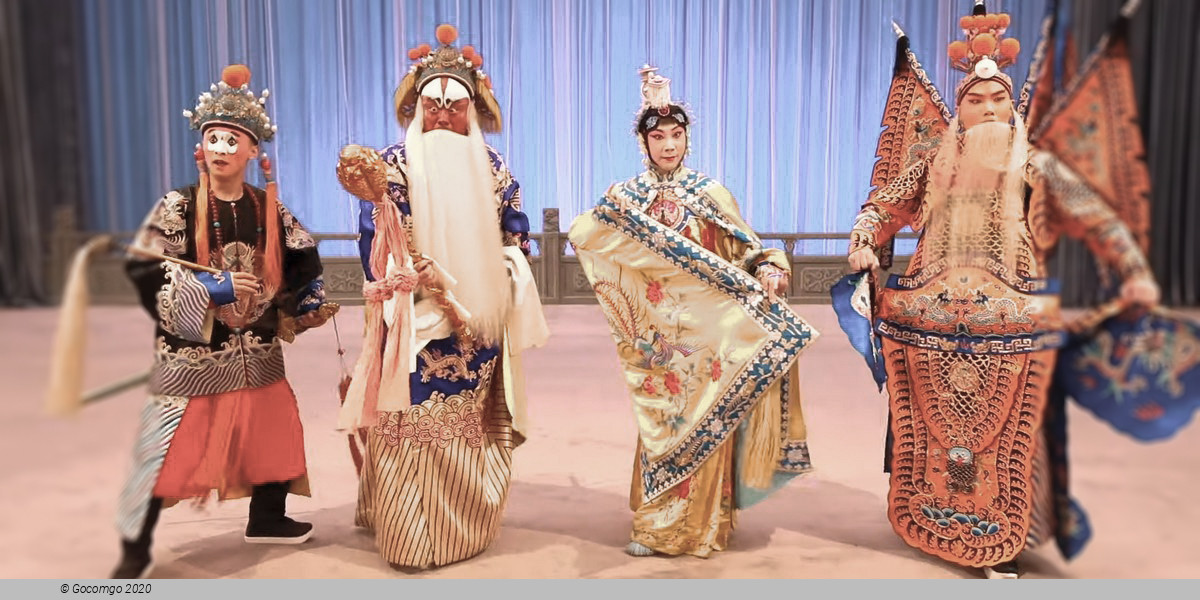
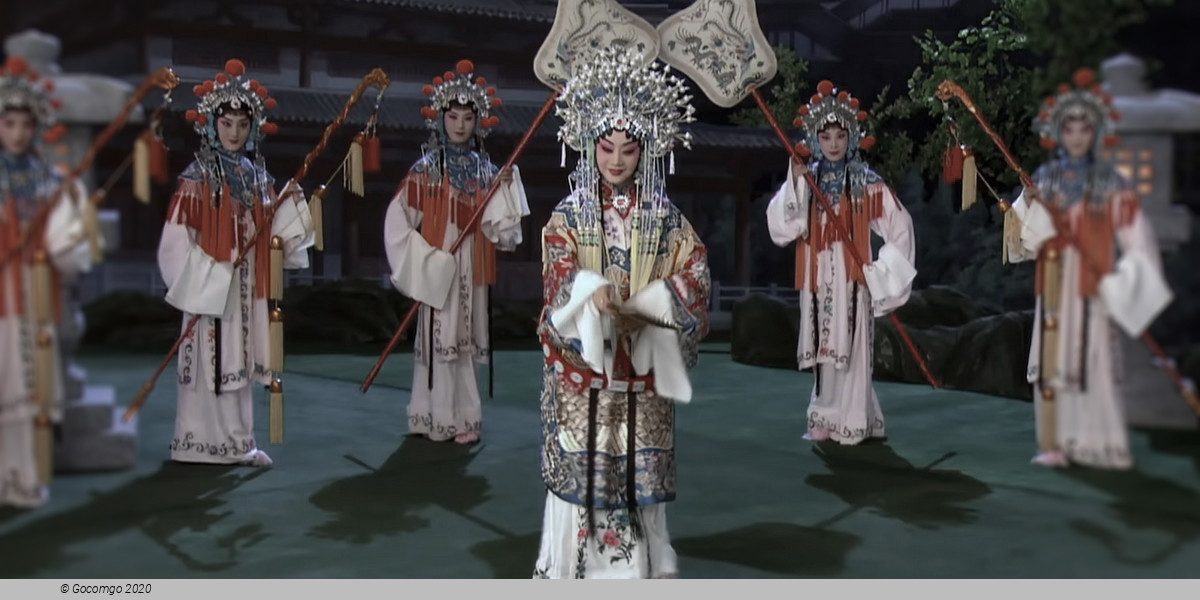
Beijing or Peking opera is a traditional form of Chinese theater well known throughout the nation. Commonly lauded as one of the highest achievements of Chinese culture, Beijing opera is performed through a combination of song, spoken dialogue, and codified action sequences involving gestures, movement, fighting and acrobatics. Much of Beijing opera is carried out in an archaic stage dialect quite different from Modern Standard Chinese and from the modern Beijing dialect.
Beijing cuisine is the local style of cooking. Peking Roast Duck is perhaps the best known dish. Fuling Jiabing, a traditional Beijing snack food, is a pancake (bing) resembling a flat disk with a filling made from fu ling, a fungus used in traditional Chinese medicine. Teahouses are common in Beijing.
The cloisonné (or Jingtailan, literally "Blue of Jingtai") metalworking technique and tradition is a Beijing art speciality, and is one of the most revered traditional crafts in China. Cloisonné making requires elaborate and complicated processes which include base-hammering, copper-strip inlay, soldering, enamel-filling, enamel-firing, surface polishing and gilding. Beijing's lacquerware is also well known for its sophisticated and intricate patterns and images carved into its surface, and the various decoration techniques of lacquer include "carved lacquer" and "engraved gold".
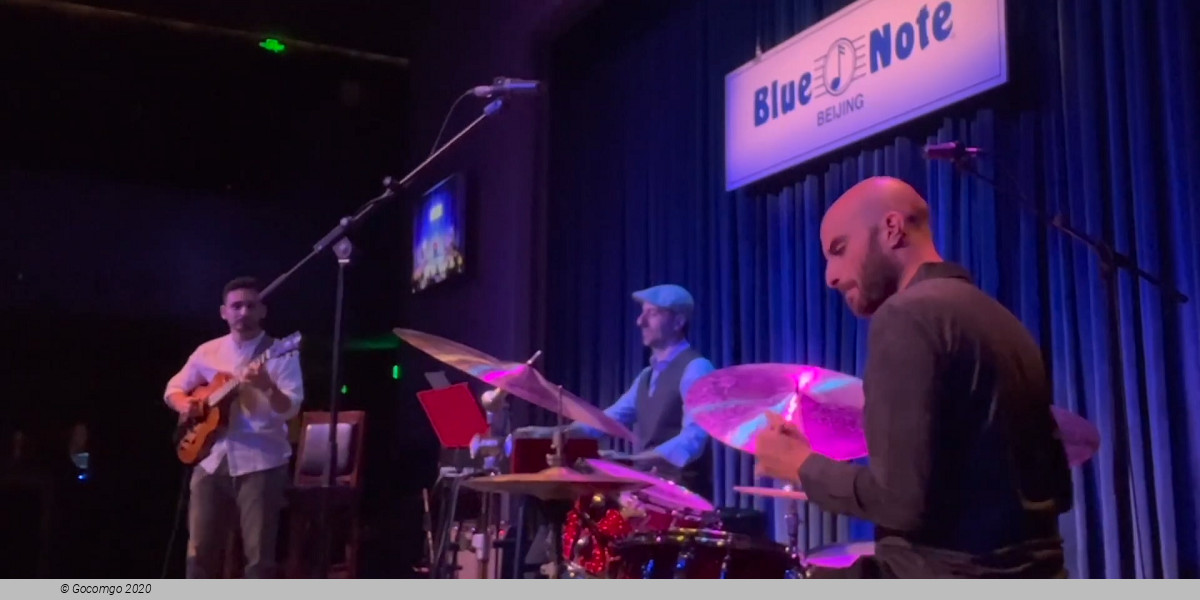
Younger residents of Beijing have become more attracted to the nightlife, which has flourished in recent decades, breaking prior cultural traditions that had practically restricted it to the upper class. Today, Houhai, Sanlitun and Wudaokou are Beijing's nightlife hotspots.
In 2012 Beijing was named as City of Design and became part of the UNESCO Creative Cities Network.
Venues in Beijing (33)