




The Église de Verbier hosts morning, afternoon and evening concerts. It is the Verbier Festival’s primary venue for solo, chamber music and vocal recitals.
Quatuor Ébène and Daniil Trifonov
Eglise de Verbier,
Verbier, Switzerland
All photos (1)
Select date and time
8 PM
Request for Tickets
Important Info
E-tickets: Print at home or at the box office of the event if so specified. You will find more information in your booking confirmation email.
You can only select the category, and not the exact seats.
If you order 2 or 3 tickets: your seats will be next to each other.
If you order 4 or more tickets: your seats will be next to each other, or, if this is not possible, we will provide a combination of groups of seats (at least in pairs, for example 2+2 or 2+3).
Festival
Verbier Festival 2022
The classical world's most anticipated, highest-altitude festival of the year returned in summer 2022. The Verbier Festival came back on July 15 – 31, 2022. It brought the biggest and brightest stars in classical music, revisiting favorite works and taking on brand-new repertoire in the storied Salle des Combins and Verbier Église. Beloved performers of Verbiers past are once again on the docket—alongside some exciting Verbier debuts—in this blockbuster event from the gorgeous Swiss Alps, where the only thing more breathtaking than the view is the music.
Programme
Joseph Haydn: String Quartet no. 27 in D major, Op.20 no.4, Hob III:34
Dmitri Shostakovich: String Quartet No. 8 in C minor "Malinconia", Op.110
César Franck: Piano Quintet in F minor
Overview
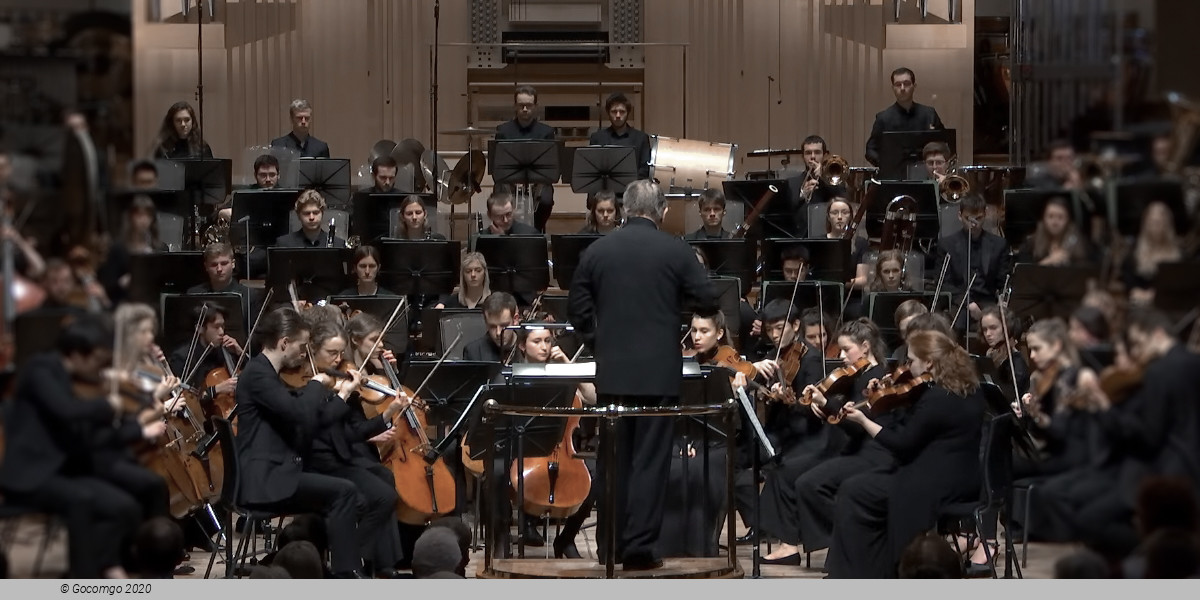
The exuberant and highly respected pianist Daniil Trifonov will join Quatuor Ébène to share their magnificent interpretation of Franck’s Piano Quintet in F minor. This impassioned performance will be complimented by string quartets from Haydn and Shostakovich.
Characteristically, Haydn’s Op. 20 Quartet No. 4 of 1772 is full of clever tricks: the first movement’s development reintroducing the very opening theme in its original key, as though the recapitulation has arrived early; the striking fantasia concluding its sombre variation form slow movement; a gypsyish Menuet whose offbeat accents confuse the ear into hearing four-time rather than three; the contrapuntal interplay of its playful Presto e scherzando finale. By contrast, Shostakovich’s single-movement String Quartet No. 8 is dark and intense. Written in just three days in 1960 on a visit to Dresden’s bombed ruins, it’s ‘in memory of the victims of fascism and war’, and features extensive self-quotation. The passions of Franck’s three-movement Piano Quintet of 1879 meanwhile are wildly sensuous ones, probably prompted by an infatuation with his pupil, Augusta Holmès.
Venue Info
Eglise de Verbier - Verbier
 Chemin de l’Église
Chemin de l’Église
Important Info
Festival: Verbier Festival 2022
Type: Classical Concert
City: Verbier, Switzerland
Starts at: 20:00