




The Église de Verbier hosts morning, afternoon and evening concerts. It is the Verbier Festival’s primary venue for solo, chamber music and vocal recitals.
Augustin Dumay (violin) and Sergei Babayan (piano)
Eglise de Verbier,
Verbier, Switzerland
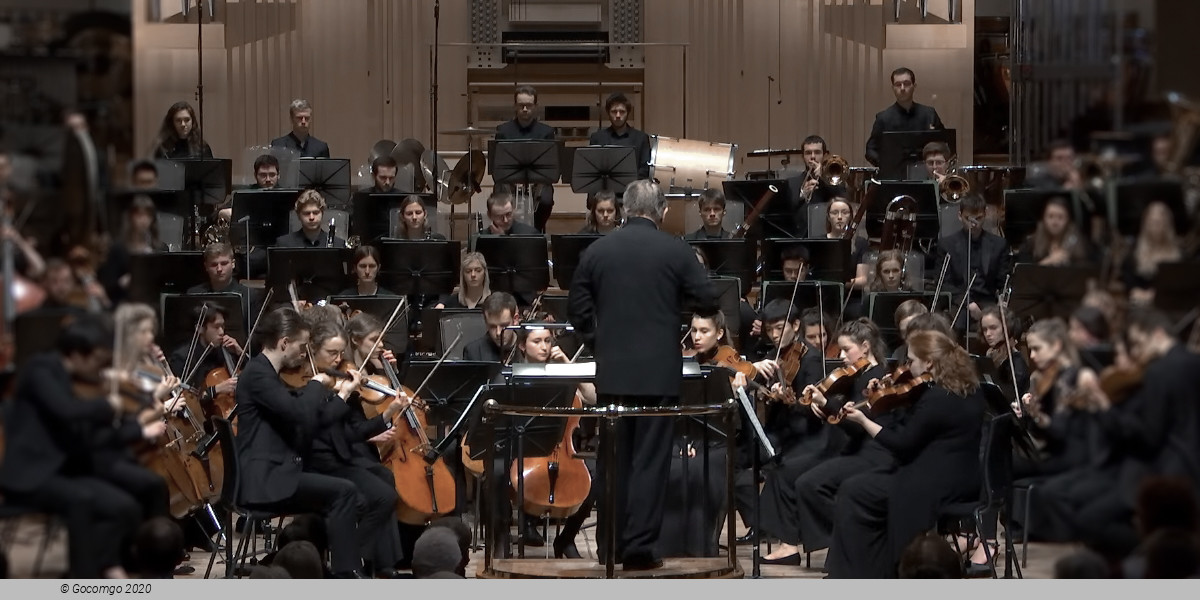
All photos (1)
Select date and time
4 PM
Request for Tickets
Important Info
E-tickets: Print at home or at the box office of the event if so specified. You will find more information in your booking confirmation email.
You can only select the category, and not the exact seats.
If you order 2 or 3 tickets: your seats will be next to each other.
If you order 4 or more tickets: your seats will be next to each other, or, if this is not possible, we will provide a combination of groups of seats (at least in pairs, for example 2+2 or 2+3).
Festival
Verbier Festival 2022
The classical world's most anticipated, highest-altitude festival of the year returned in summer 2022. The Verbier Festival came back on July 15 – 31, 2022. It brought the biggest and brightest stars in classical music, revisiting favorite works and taking on brand-new repertoire in the storied Salle des Combins and Verbier Église. Beloved performers of Verbiers past are once again on the docket—alongside some exciting Verbier debuts—in this blockbuster event from the gorgeous Swiss Alps, where the only thing more breathtaking than the view is the music.
Programme
Wolfgang Amadeus Mozart: Violin Sonata in G major, K301 (K293a)
Leoš Janáček: Violin Sonata
Ludwig van Beethoven: Violin Sonata no. 10 in G major, Op.96
Overview
Two classical music legends, violinist Augustin Dumay and pianist Sergei Babayan, share the stage for a transfixing afternoon of Leoš Janáček, Mozart and Beethoven.
Written in 1778, Mozart’s Violin Sonata No 18 in G major is unusual for both its movements being Allegros, the playful second’s contrasts coming via its waltz time, the countryside drone to some of the violin’s double-stops, and its plaintive minor-keyed trio. A gypsyish element is instantly audible in Janacek’s Violin Sonata of 1915, as is its wartime inspiration. The second movement Ballada sees delicately rippling piano figures supporting the violin’s singing lines. The war mood returns for a scherzo-like Allegretto punctuated by a wistful central song, before a closing Adagio whose elegiac writing is interrupted by urgent violin outbursts. Beethoven’s tenth and final violin sonata of 1812 was for the French violinist Pierre Rode. Piano and violin are in close conversation for the Allegro moderato, before a hymn-like Adagio that would have been a perfect fit for Rodes’s renowned quiet poise. A brief Scherzo follows; then a variation-form Finale.
Venue Info
Eglise de Verbier - Verbier
 Chemin de l’Église
Chemin de l’Église
Important Info
Festival: Verbier Festival 2022
Type: Classical Concert
City: Verbier, Switzerland
Starts at: 16:00