




The Église de Verbier hosts morning, afternoon and evening concerts. It is the Verbier Festival’s primary venue for solo, chamber music and vocal recitals.
Marc Bouchkov (violin), Daniel Lozakovich (violin), Blythe Teh Engstroem (viola), Mischa Maisky (cello) and Mikhail Pletnev (piano)
Eglise de Verbier,
Verbier, Switzerland
All photos (1)
Select date and time
8 PM
Request for Tickets
Important Info
E-tickets: Print at home or at the box office of the event if so specified. You will find more information in your booking confirmation email.
You can only select the category, and not the exact seats.
If you order 2 or 3 tickets: your seats will be next to each other.
If you order 4 or more tickets: your seats will be next to each other, or, if this is not possible, we will provide a combination of groups of seats (at least in pairs, for example 2+2 or 2+3).
Festival
Verbier Festival 2022
The classical world's most anticipated, highest-altitude festival of the year returned in summer 2022. The Verbier Festival came back on July 15 – 31, 2022. It brought the biggest and brightest stars in classical music, revisiting favorite works and taking on brand-new repertoire in the storied Salle des Combins and Verbier Église. Beloved performers of Verbiers past are once again on the docket—alongside some exciting Verbier debuts—in this blockbuster event from the gorgeous Swiss Alps, where the only thing more breathtaking than the view is the music.
Programme
Edvard Grieg: Violin Sonata no. 3 in C minor, Op.45
Ludwig van Beethoven: Cello Sonata no. 1 in F major, Op.5 no.1
Rodion Shchedrin: "Three Funny Pieces" for violin, cello and piano
Johannes Brahms: Piano Quartet no. 3 in C minor, Op.60
Overview
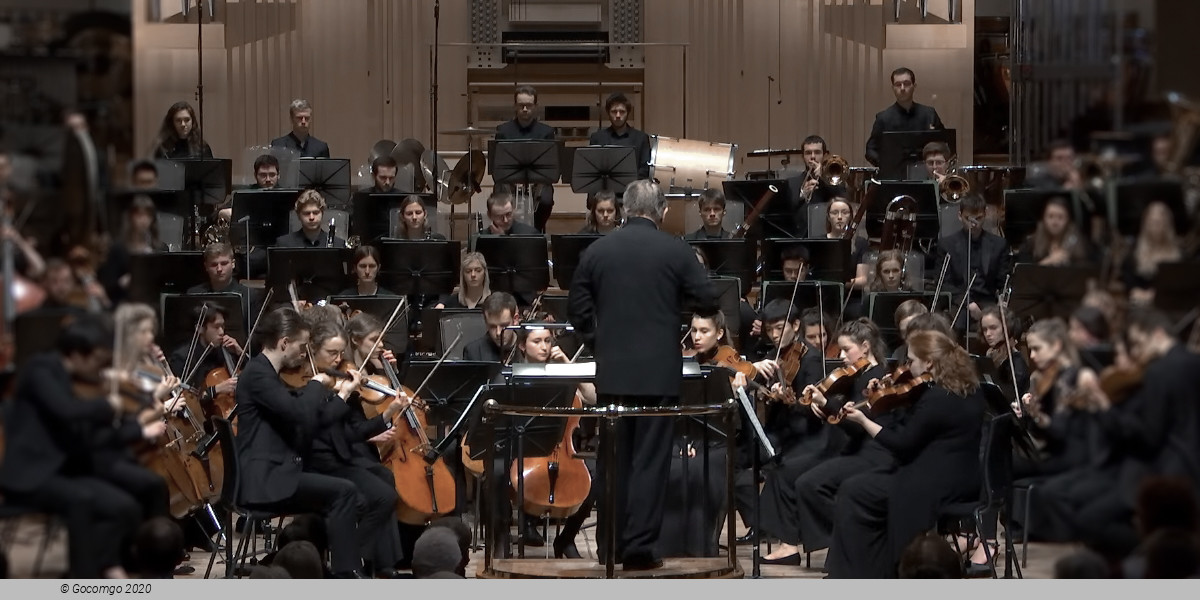
Classical music titans Mischa Maisky and Mikhaïl Pletnev are joined by violinists Marc Bouchkov and Daniel Lozakovich and violist Blythe Teh Engstroem for one of the Festival’s iconic Rencontres Inédites. The concert features Rodion Shchedrin’s mischievous Three Funny Pieces and works by Brahms, Beethoven and Grieg.
Beethoven’s Sonata for Piano and Violin No. 1 starts with a bravura unison; a theme and variations follows, before a twinkle-toed closing rondo. His First Cello Sonata of 1797 is one of a pair written for Jean-Pierre Duport, first cellist at the Berlin court of King Friedrich Wilhelm II. Piano leads in its slow introduction, before an Allegro full of major-minor switches, and a rustic Rondo finale. Shchedrin’s Three Funny Pieces of 1997 begins with an awkward ‘Conversation’, then while ‘Let’s Plan an Opera by Rossini’ parodies recitative and aria, it’s ‘Humoreske’ that actually has the players sing. Brahms’s Third Piano Trio was possibly inspired by Goethe’s hero, Werther, whose love for a married woman – Brahms’s own fate – drives him to shoot himself. Its opening anguished two-note phrase appears to intone, ‘Clara’ (Schumann), and after a driven Scherzo and calmer Andante, its tense Finale ends with gunshot-esque abruptness.
Venue Info
Eglise de Verbier - Verbier
 Chemin de l’Église
Chemin de l’Église
Important Info
Festival: Verbier Festival 2022
Type: Classical Concert
City: Verbier, Switzerland
Starts at: 20:00