Grand Théâtre de Genève tickets 24 January 2027 - Premiere Theodora | GoComGo.com

Premiere
Theodora

Grand Théâtre de Genève, Grand Théâtre de Genève, Geneva, Switzerland
All photos (8)
Select date and time
5 PM
From
US$ 119

E-tickets: Print at home or at the box office of the event if so specified. You will find more information in your booking confirmation email.

You can only select the category, and not the exact seats.
If you order 2 or 3 tickets: your seats will be next to each other.
If you order 4 or more tickets: your seats will be next to each other, or, if this is not possible, we will provide a combination of groups of seats (at least in pairs, for example 2+2 or 2+3).

Important Info
Type: Opera
City: Geneva, Switzerland
Starts at: 17:00
Intervals: 1
Duration: 3h 30min
Sung in: English
Titles in: French,English

E-tickets: Print at home or at the box office of the event if so specified. You will find more information in your booking confirmation email.

You can only select the category, and not the exact seats.
If you order 2 or 3 tickets: your seats will be next to each other.
If you order 4 or more tickets: your seats will be next to each other, or, if this is not possible, we will provide a combination of groups of seats (at least in pairs, for example 2+2 or 2+3).

Cast
Performers
Orchestra: Pygmalion
Conductor: Raphaël Pichon
Choir: Grand Théâtre de Genève Chorus
Tenor: Laurence Kilsby (Septimius)
Mezzo-Soprano: Niamh O'Sullivan (Irene)
Countertenor: Paul-Antoine Bénos-Djian (Didymus)
Choir: Pygmalion
Soprano: Ying Fang (Theodora)
Creators
Composer: George Frideric Handel
Director: Krzysztof Warlikowski
Librettist: Thomas Morell
Overview

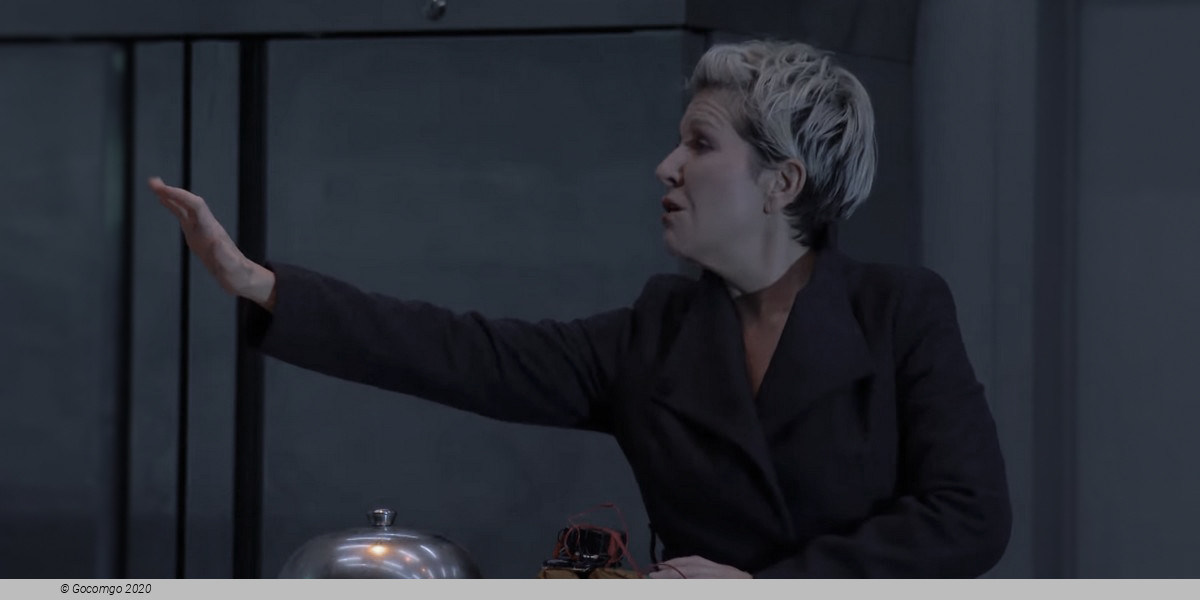
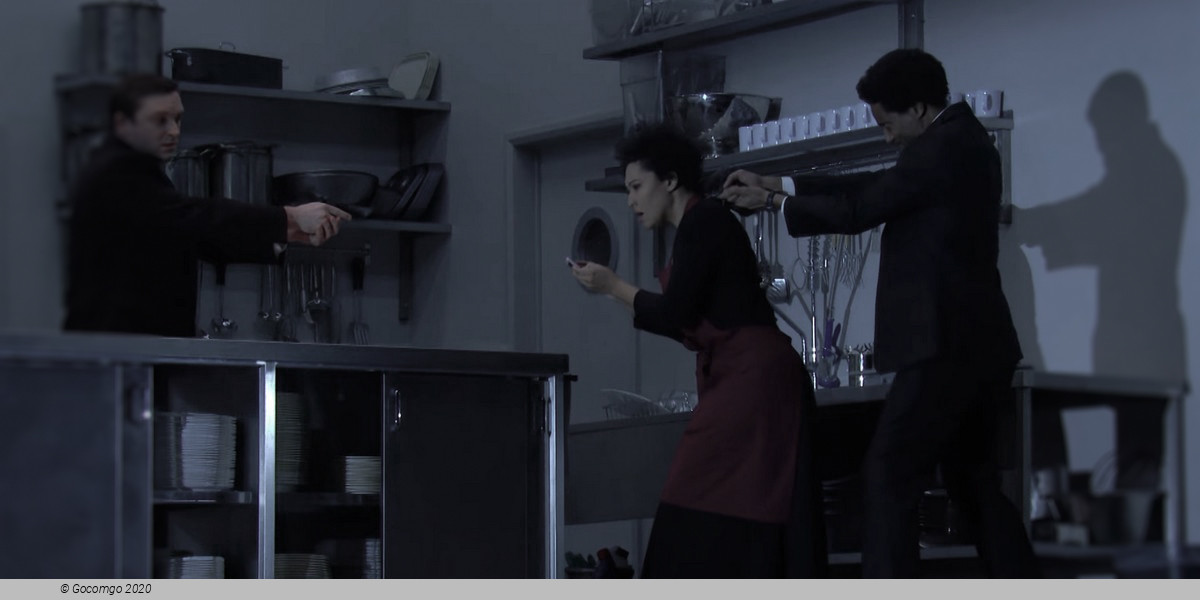
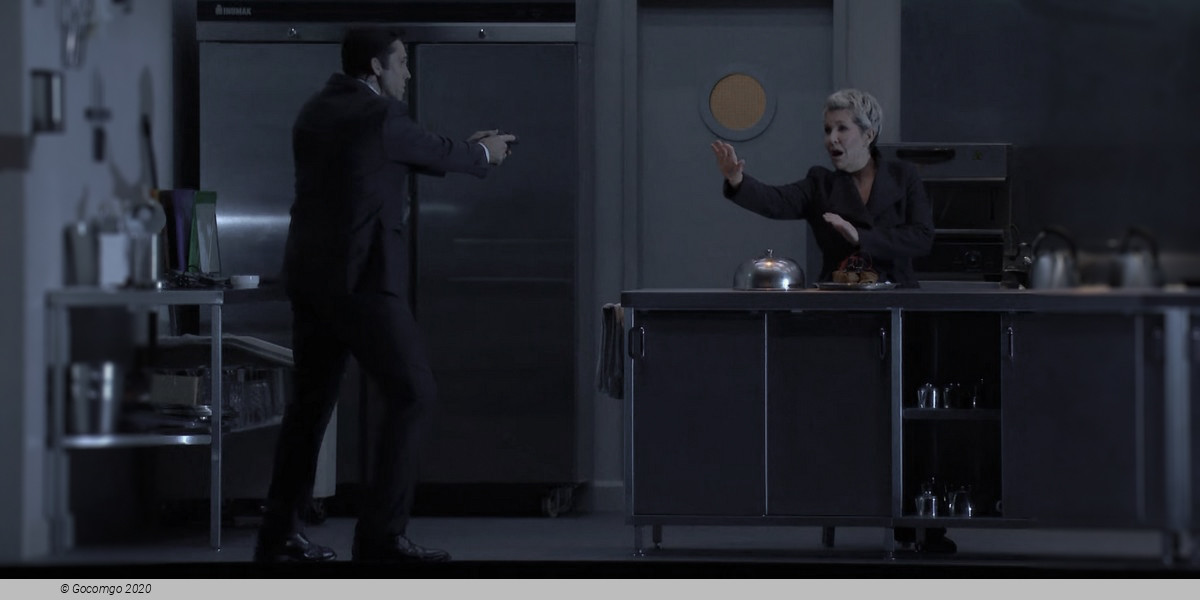
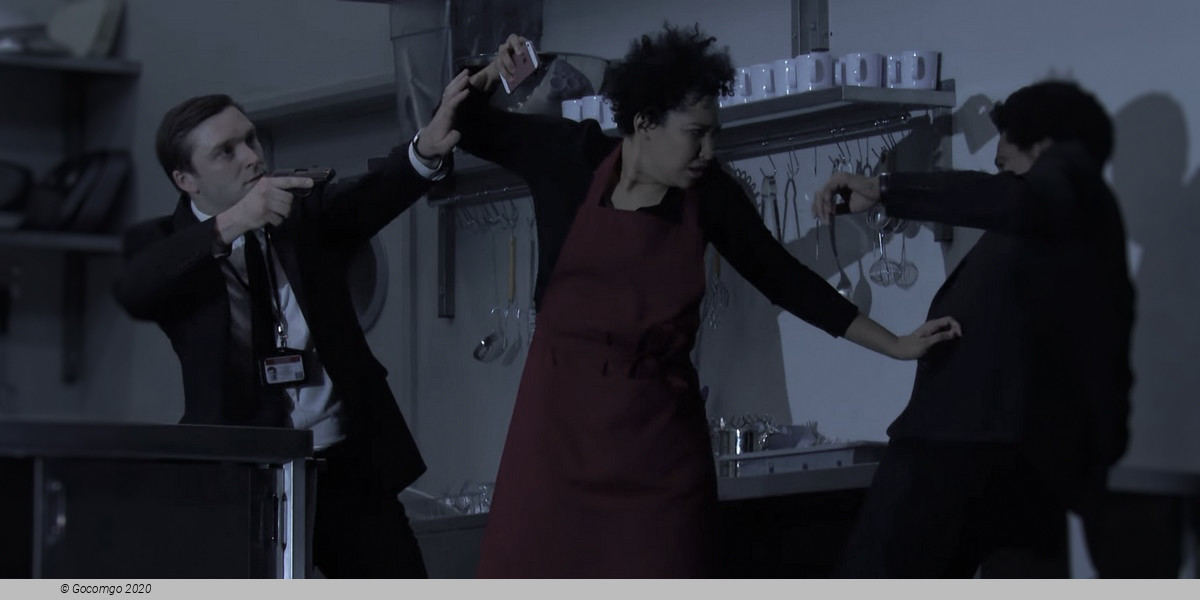
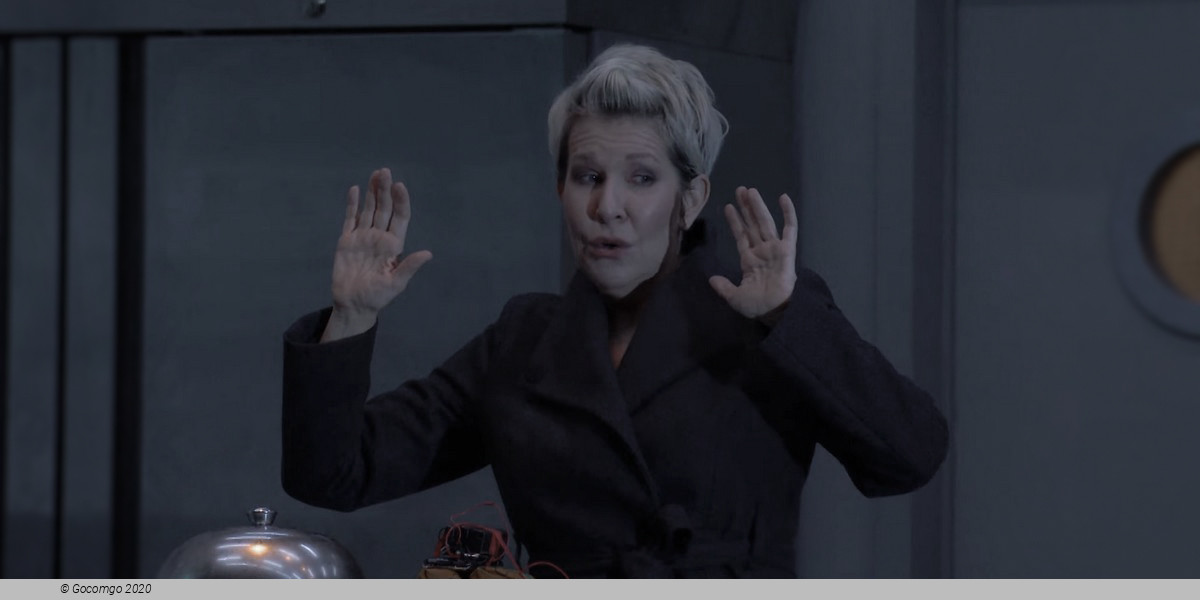
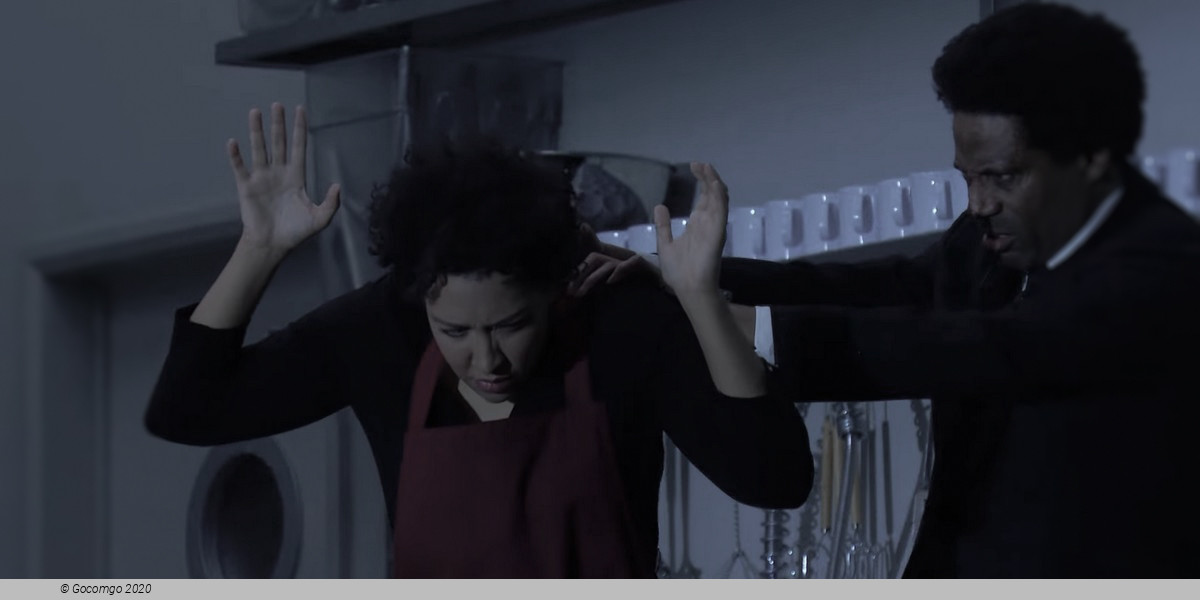
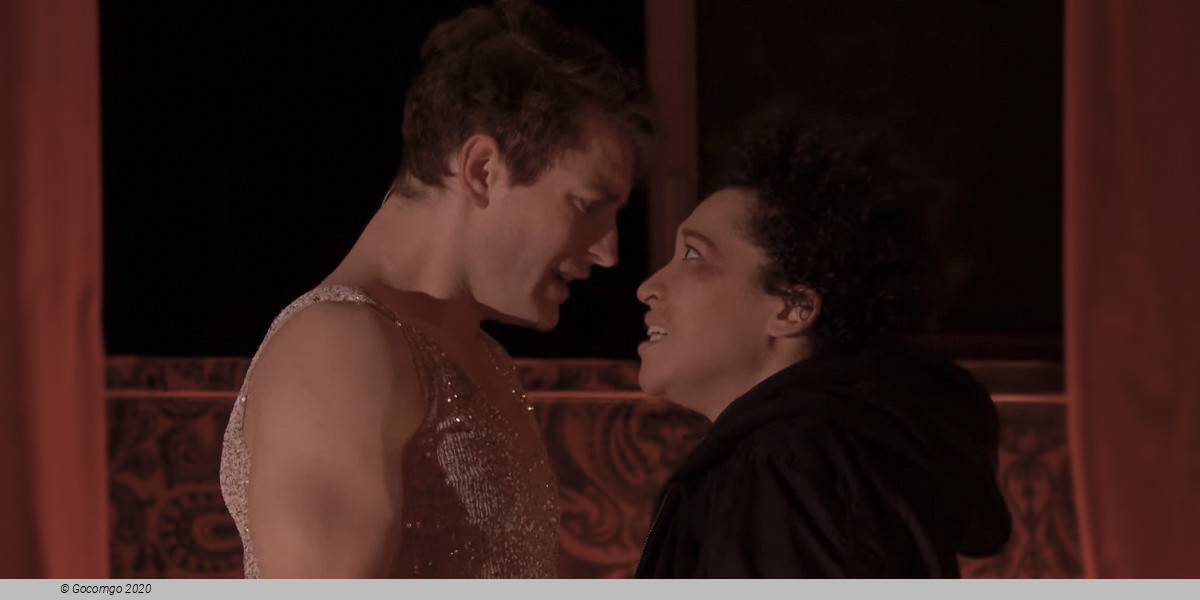
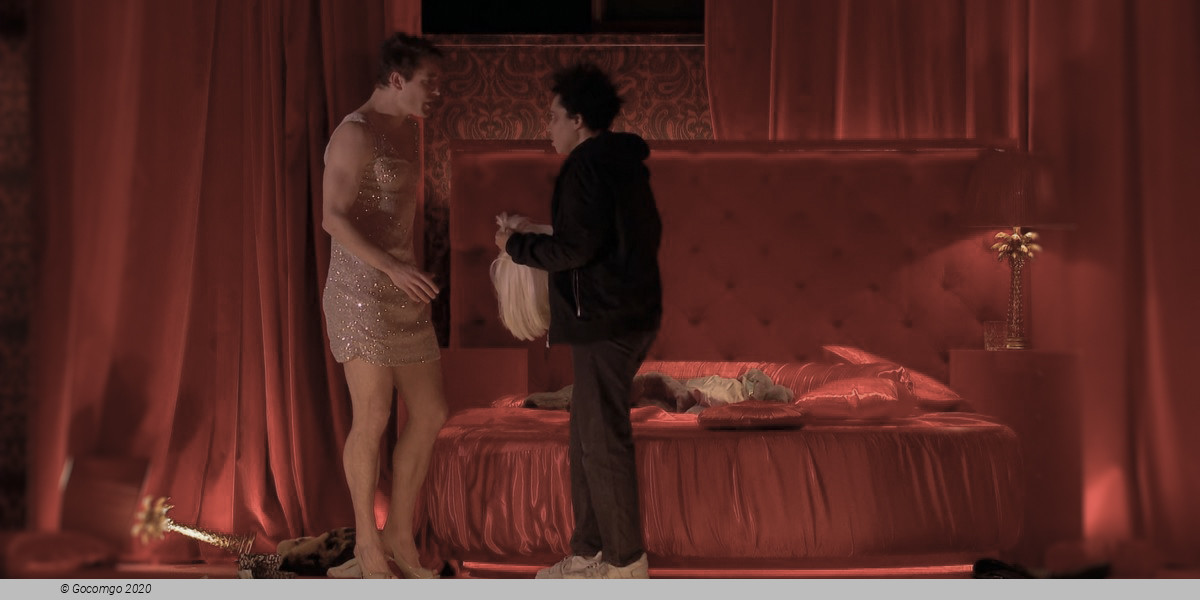
In Roman Antioch, Theodora refuses to renounce her Christian faith and faces persecution, whilst Didymus, an officer converted out of love, defies the authorities in an attempt to save her. The poignant account of their martyrdom provided Handel in 1749 with the subject for a refined and introspective oratorio in the twilight of his life. Krzysztof Warlikowski and Raphaël Pichon, leading his own Pygmalion ensemble, reveal the piece’s full theatrical intensity in their first collaboration.

“If this obstinate virgin deigns to dedicate an offering to the great gods who subjugated the world to Rome, she will be free; otherwise, the vilest of my guards will triumph over the chastity of which she prides herself.” Upon hearing this sentence, which she considered worse than death, Theodora did not tremble and surrendered herself to her executioners, dignified despite the ignominy. With this exemplary punishment, the Roman authorities sought to bring the entire Christian community of Antioch to heel. Faced with intolerance, excess, and humiliation, Theodora opposed the steadfastness of an unwavering faith. A steadfastness that had inflamed the heart of Didymus, a victorious officer of the Roman army, ready to make any sacrifice to save the one who had led him on the path to God.

A master of the London operatic scene, Handel abandoned the virtuoso genre of opera seria in the early 1740s to devote himself to writing oratorios in English. From this conversion emerged several masterpieces of religious inspiration, including the poignant Theodora. On the verge of blindness, Handel developed in this score a refined and deeply introspective style, breathing life and humanity into figures from Christian hagiography. Conceived for concert performance, Theodora nonetheless possesses an intense theatricality, brought to life by Krzysztof Warlikowski's production. Under the baton of Raphaël Pichon, leading his ensemble, the artists of the Pygmalion Choir are joined by those of the Grand Théâtre Chorus to form a community reenacting the martyrdom of Theodora and Didymus.

New production of the Grand Théâtre de Genève

History
Premiere of this production: 16 March 1750, Covent Garden Theatre, London

Theodora is a dramatic oratorio in three acts by George Frideric Handel, set to an English libretto by Thomas Morell. The oratorio concerns the Christian martyr Theodora and her Christian-converted Roman lover, Didymus. Not popular with audiences in Handel's day, Theodora is now recognised as a masterpiece and is sometimes fully staged as an opera.

Synopsis

Act 1
The 4th century AD. Valens, the Roman governor of Antioch, issues a decree that in honour of Diocletian's birthday all citizens will offer sacrifice to Venus, the Roman goddess of love, and Flora, a fertility goddess of the spring, on pain of death, and puts Septimius in charge of enforcing this.

Didymus, a soldier secretly converted to Christianity, asks that citizens whose consciences prevent them making sacrifices to idols be spared punishment, which Valens dismisses. Septimius suspects Didymus is a Christian and affirms his own loyalty to the law although he pities those who will be condemned to die by the decree and wishes he could be allowed to extend mercy to them.

Theodora, a nobly-born Christian and her friend Irene are worshipping with their fellow believers in private rather than joining in the festival for the emperor's birthday when a messenger brings news of Valens' decree. Septimius comes to arrest them - Theodora expects to be put to death but is informed that instead she has been sentenced to serve as a prostitute in the temple of Venus. Theodora would much have preferred to die, but is led away to the temple. Irene informs Didymus who goes in the hope of either rescuing her or dying with her. The first Act closes with a chorus of Christians praying for the mission's success.

Act 2
At the start of the second Act the festival in honour of the emperor and the goddesses is being enjoyed by the pagans. Valens sends Septimius to tell Theodora that if she doesn't join in with the festival by the end of the day, he will send his guards to rape her. The crowd expresses their satisfaction at this sentence. In the temple of Venus which serves as a brothel, Theodora is frightened, but her mood changes as she contemplates the afterlife. Didymus confesses to his friend and superior officer Septimius that he is a Christian and appeals to the other man's sense of decency. Septimius allows Didymus to visit Theodora. At first Theodora appeals to Didymus to kill her and put an end to her suffering, but instead Didymus persuades her to conceal her identity by putting on his helmet and his uniform and escaping, leaving Didymus in her place. Back at their hideout, Irene and the Christians recall the miracle of The Widow of Nain and hope that, should the lovers die, they will find a new life in heaven.

Act 3
As the third part opens the Christians celebrate Theodora's safe return. However she feels guilty that she endangered Didymus's life in order to save her own. A messenger informs them Didymus has been captured and that Valens has changed Theodora's punishment to death. Theodora goes to offer herself in Didymus' place, despite the protests of her faithful friend Irene. As Valens sentences Didymus to be executed, Theodora enters demanding that she die and Didymus be saved. Both Didymus and Theodora argue that they should die in place of the other. Septimius is moved by this, and pleads for clemency. Valens, however, condemns both Didymus and Theodora to death and they sing a duet to their immortality.

Venue Info

Grand Théâtre de Genève - Geneva
Location   Grand Théâtre de Genève: Boulevard du Théâtre 11; Bâtiment des Forces Motrices (BFM): Place des Volontaires 2

The main stage is temporarily unavailable. From January 1, 2026, until the end of June 2027, the historic theater building will be closed for renovations. The stage equipment will be completely replaced and the orchestra pit acoustics will be modernized. During this period, all opera and ballet productions will be held at the Bâtiment des Forces Motrices (BFM) cultural center, Place des Volontaires 2.

Grand Théâtre de Genève is the main opera house of Geneva. The venue is a majestic building, towering over Place Neuve, officially opened in 1876, partly destroyed by fire in 1951 and reopened in 1962, after extensive refurbishments, which houses the largest stage in Switzerland. As an institution, it is the largest production and host theatre in French-speaking Switzerland, featuring opera and dance performances, recitals, concerts and, occasionally, theatre.

Built in 1879, the Grand Théâtre de Genève is the largest artistic stage in Switzerland and home to the Geneva opera house and the Geneva Ballet Company. Every season, it features nine performance runs of opera, three of dance and a broad range of recitals and cultural, youth-friendly or festive events to develop its audience and honour its public service mission. Gutted by fire in 1951, the building and the front of house retain its original Beaux-Arts style whereas the wood-panelled auditorium, completed in 1961, seats 1500 and boasts a spectacular metalwork security curtain that extends into the ceiling, where 1200 glass stars shine as the house lights. The Grand Théâtre de Genève employs its own opera chorus of 40 singers and has an artistic partnership with the Orchestre de la Suisse Romande for its opera season. Since 2019, Aviel Cahn is the general manager of the Grand Théâtre de Genève and since 2022, the Geneva Ballet Company is directed by Sidi Larbi Cherkaoui. The Grand Théâtre de Genève was named Opera Company of the Year in 2020 (Opernwelt).

Designed by Jacques­Elisée Goss on a design by Henri Sylvestre, the Grand Théâtre de Genève opened in 1879, in a Beaux­Arts and Second Empire­style building, with a horseshoe­shaped auditorium. In 1951, there was a terrible fire, during a rehearsal of Wagner’s Walkyrie: the auditorium, stage area and roofs were destroyed. It reopened in 1962 after a reconstruction project led by Charles Schopfer, Marco Zavelani­Rossi and Jacek Stryjenski (the latter having designed the huge ceiling inspired by the Milky Way called Alto). The foyers and adjoining areas were then hurriedly restored. The stage area was modernized in 1997 and the stage decks in 2006. Between 2016 and 2019, the Grand Théâtre was closed for renovations and its activities were held at the Opéra des Nations. The Place de Neuve site underwent an architectural renovation (new rehearsal rooms and changing rooms in the basement, meeting room in the attic area), also involving security (upgrading of comfort and fire standards) and heritage items. The foyers and hallways were refurbished, tapestries repaired, damaged marble and faux marble surfaces were restored and the parquet floors recreated. Several modern improvements were introduced, such as the box office reception desks and a Milky Way­type lighting introduced in the Upper Circle and Basement bars. The building reopened on 12 February 2019 with Wagner’s Das Rheingold and an Open Doors day followed by a Mapping on the place de Neuve on 23 March 2019 gathering 14000 people.

In 1962, the Grand Théâtre de Genève acquired a permanent ballet company, made up of 22 artists, offering two original choreographic creations per season. Collaborating with choreographers of international renown, over the course of its performances, it has built a worldwide reputation for itself. Today, whilst the premieres are always held in Geneva, the Geneva Ballet frequently performs outside Switzerland (France, Italy, United States, Russia, Australia, China, Brazil, South Africa…). From the 22–23 Season, the Ballet is under the management of Sidi Larbi Cherkaoui.

Founded in 1962, the Choir of the Grand Théâtre de Genève is an ensemble of forty-two professional singers from a wide variety of nationalities.
An essential part of the artistic department of the Grand Théâtre de Genève, the Choir takes part in the productions that contribute to the institution’s renowned reputation. For certain specific productions requiring a larger ensemble, additional professional singers join the group, allowing for flexibility and adaptability according to the program’s demands.
Thanks to the quality of its performances and its dedication, the Choir of the Grand Théâtre is not only recognized for its level of excellence by the press, but its performances are also praised by directors, conductors, and audiences alike. In 2023, the Choir was once again nominated for the Opera Awards.

Important Info
Type: Opera
City: Geneva, Switzerland
Starts at: 17:00
Intervals: 1
Duration: 3h 30min
Sung in: English
Titles in: French,English
Top of page