Margravial Opera House tickets 31 October 2026 - Grand Classic Ballet – Swan Lake | GoComGo.com

Grand Classic Ballet – Swan Lake

Margravial Opera House, Bayreuth, Germany
All photos (12)
Select date and time
8 PM
From
US$ 115

E-tickets: Print at home or at the box office of the event if so specified. You will find more information in your booking confirmation email.

You can only select the category, and not the exact seats.
If you order 2 or 3 tickets: your seats will be next to each other.
If you order 4 or more tickets: your seats will be next to each other, or, if this is not possible, we will provide a combination of groups of seats (at least in pairs, for example 2+2 or 2+3).

Important Info
Type:
City: Bayreuth, Germany
Starts at: 20:00

E-tickets: Print at home or at the box office of the event if so specified. You will find more information in your booking confirmation email.

You can only select the category, and not the exact seats.
If you order 2 or 3 tickets: your seats will be next to each other.
If you order 4 or more tickets: your seats will be next to each other, or, if this is not possible, we will provide a combination of groups of seats (at least in pairs, for example 2+2 or 2+3).

Cast
Performers
Ballet company: Grand Classic Ballet
Creators
Composer: Pyotr Tchaikovsky
Choreography: Marius Petipa
Overview

Step into the shoes of Princess Odette. The legendary ballet unfolds closer than ever before – carried by a live string quartet that brings the music to life in its purest and most emotional form.

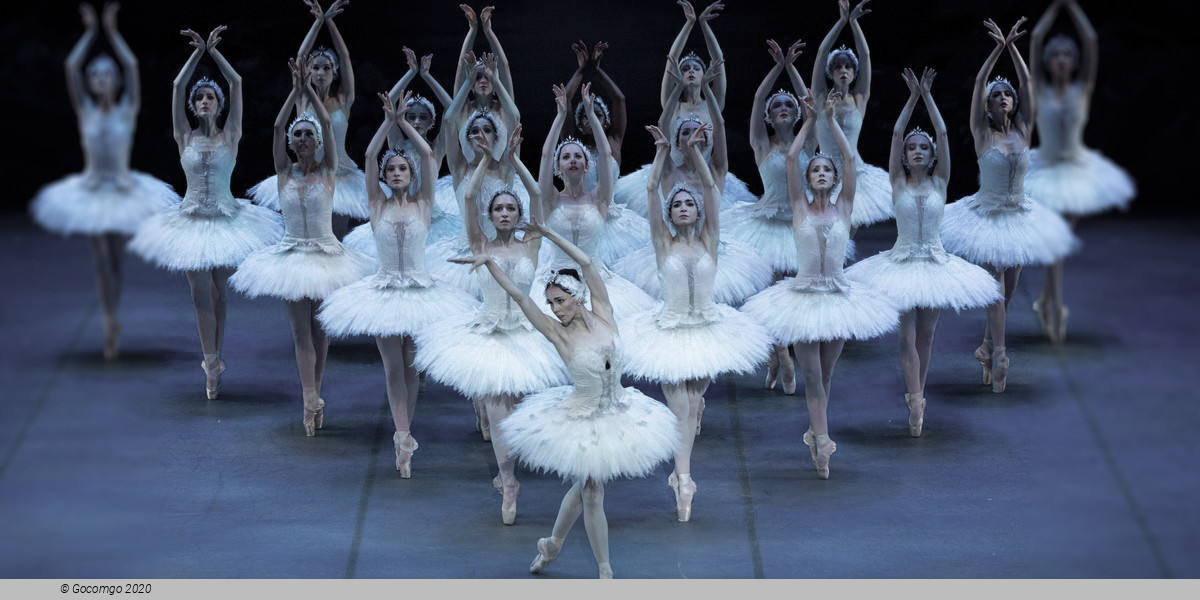
The beautiful princess has been transformed into a swan by an evil sorcerer. Only one thing can save her from her false body – the love of a prince. But what prince would fall in love with a swan? Luckily, a brave hero emerges who recognizes the swan's inner beauty.
He falls in love with Odette and breaks the spell.

History
Premiere of this production: 04 March 1877, Bolshoi Theatre, Moscow

Swan Lake is a ballet composed by Pyotr Ilyich Tchaikovsky in 1875–76. Despite its initial failure, it is now one of the most popular of all ballets. Swan Lake is the ballet which embodies the soul of Russian art. The combination of brilliant music and choreography creates a special kind of magic; what the great 20th century choreographer George Balanchine had in mind when he famously said, “One should call every ballet Swan Lake because then people would come.”

Synopsis

Swan Lake is generally presented in either four acts, four scenes (primarily outside Russia and Eastern Europe) or three acts, four scenes (primarily in Russia and Eastern Europe). The biggest difference of productions all over the world is that the ending, originally tragic, is now sometimes altered to a happy ending.

Prologue
Some productions include a prologue that shows how Odette first meets Rothbart, who turns Odette into a swan.

Act 1

A magnificent park before a palace

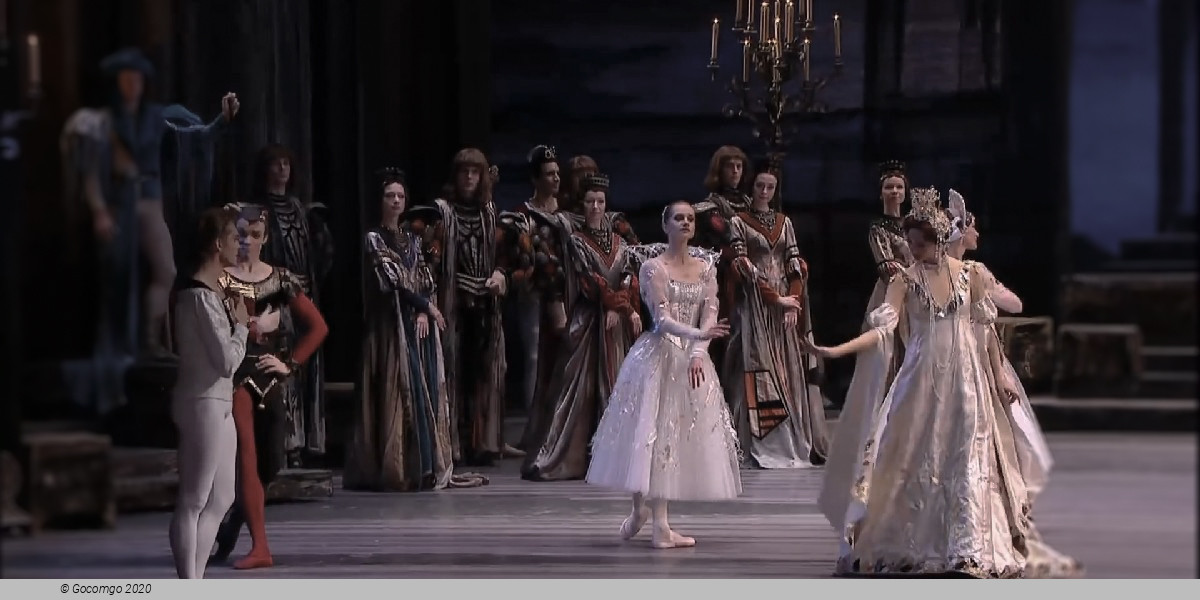
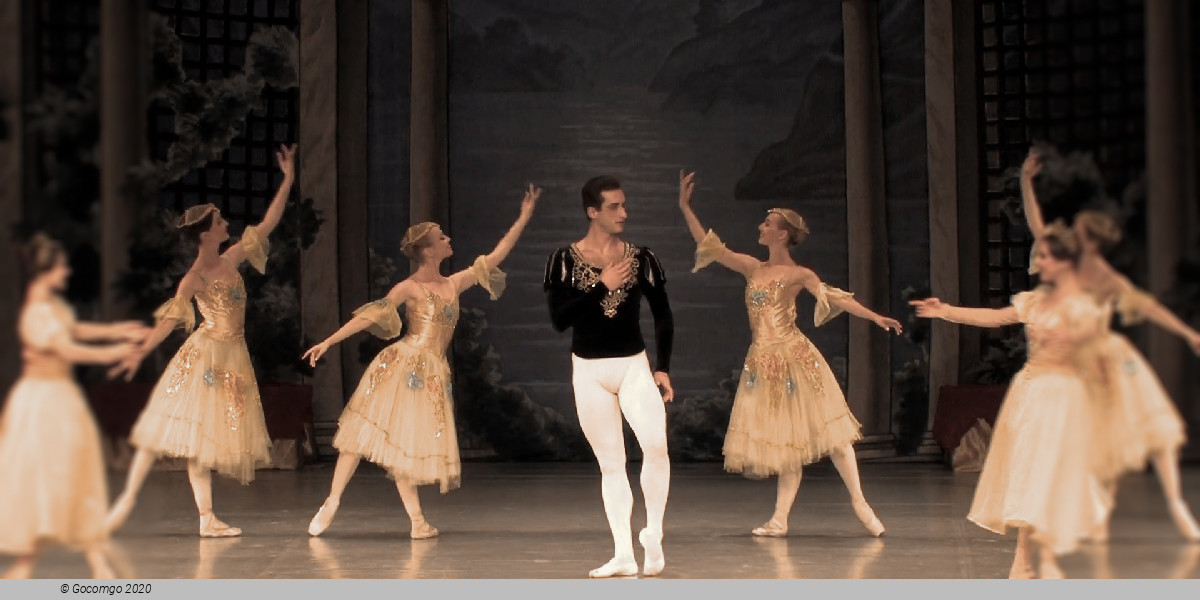
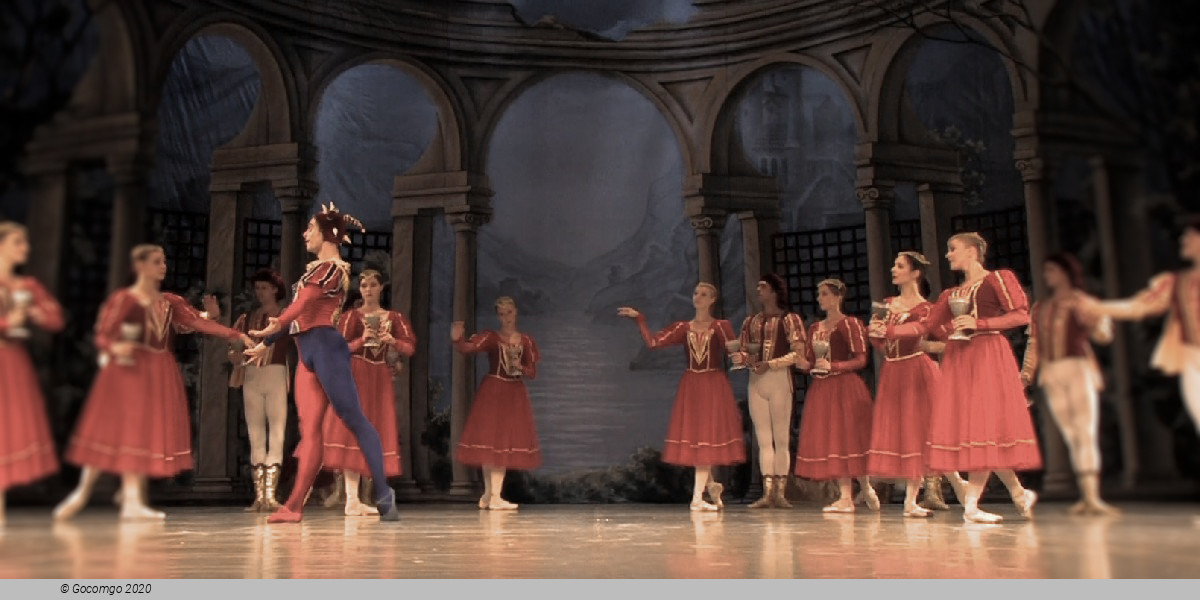
[Scène: Allegro giusto] Prince Siegfried is celebrating his birthday with his tutor, friends and peasants [Waltz]. The revelries are interrupted by Siegfried's mother, the Queen [Scène: Allegro moderato], who is concerned about her son's carefree lifestyle. She tells him that he must choose a bride at the royal ball the following evening (some productions include the presentation of some possible candidates). Siegfried is upset that he cannot marry for love. His friend Benno and the tutor try to lift his troubled mood. As evening falls [Sujet], Benno sees a flock of swans flying overhead and suggests they go on a hunt [Finale I]. Siegfried and his friends take their crossbows and set off in pursuit of the swans.

Act 2

A lakeside clearing in a forest by the ruins of a chapel. A moonlit night.

The "Valse des cygnes" from act 2 of the Ivanov/Petipa edition of Swan Lake
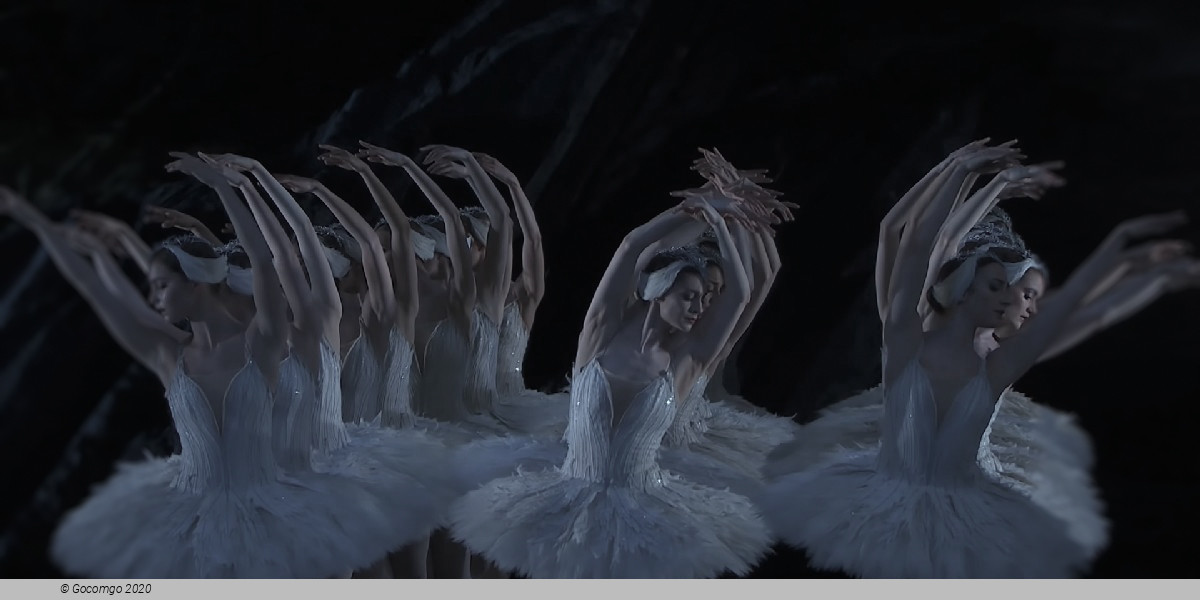
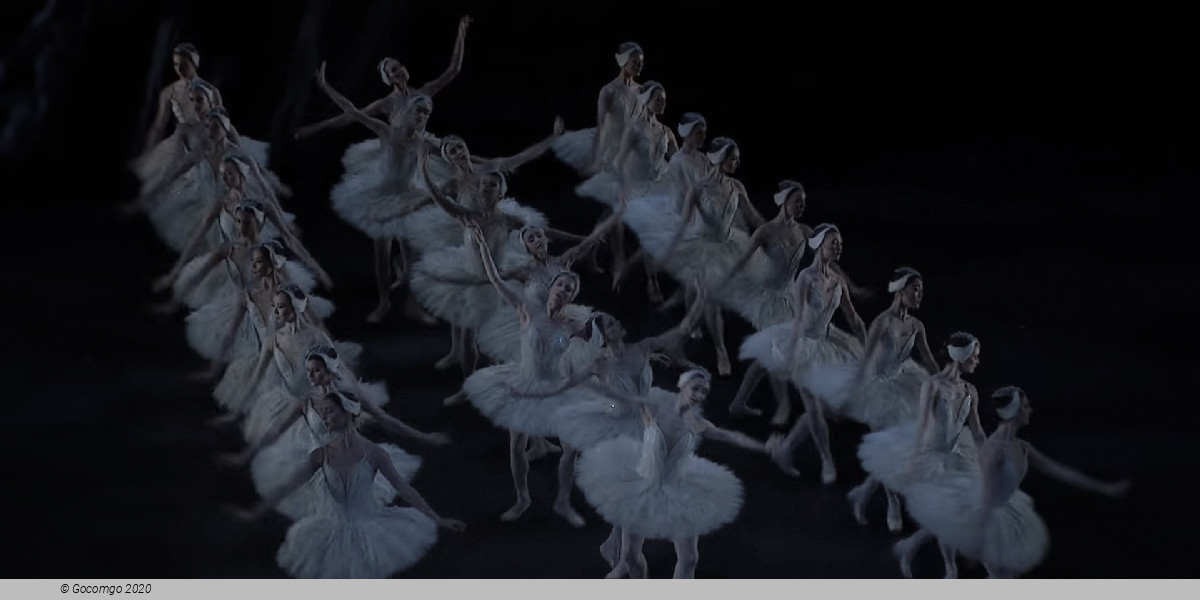
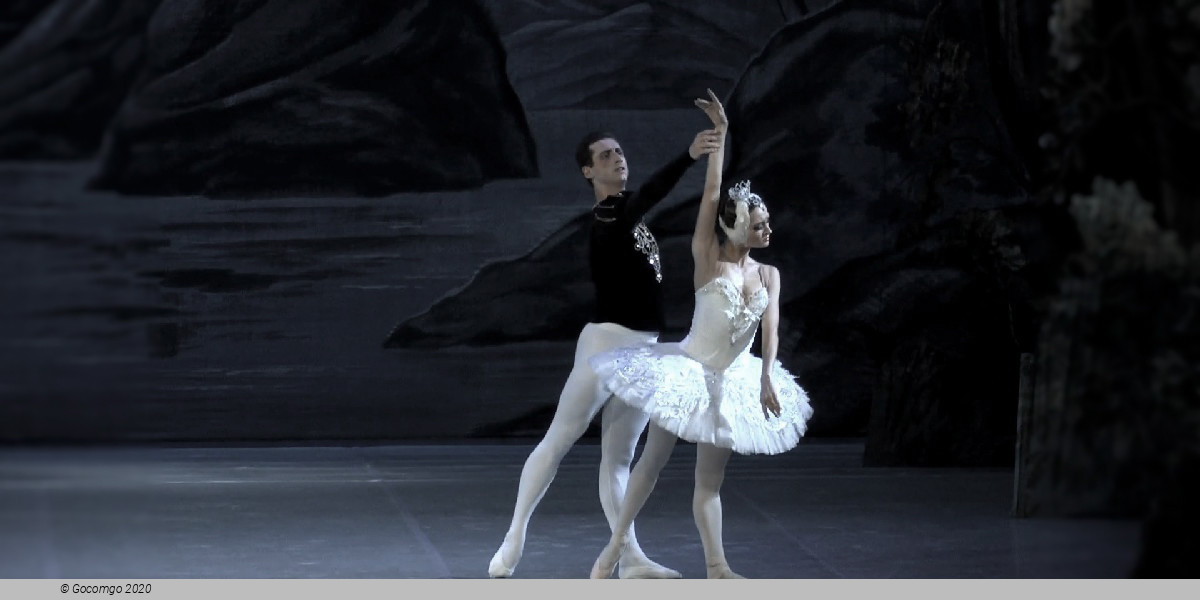
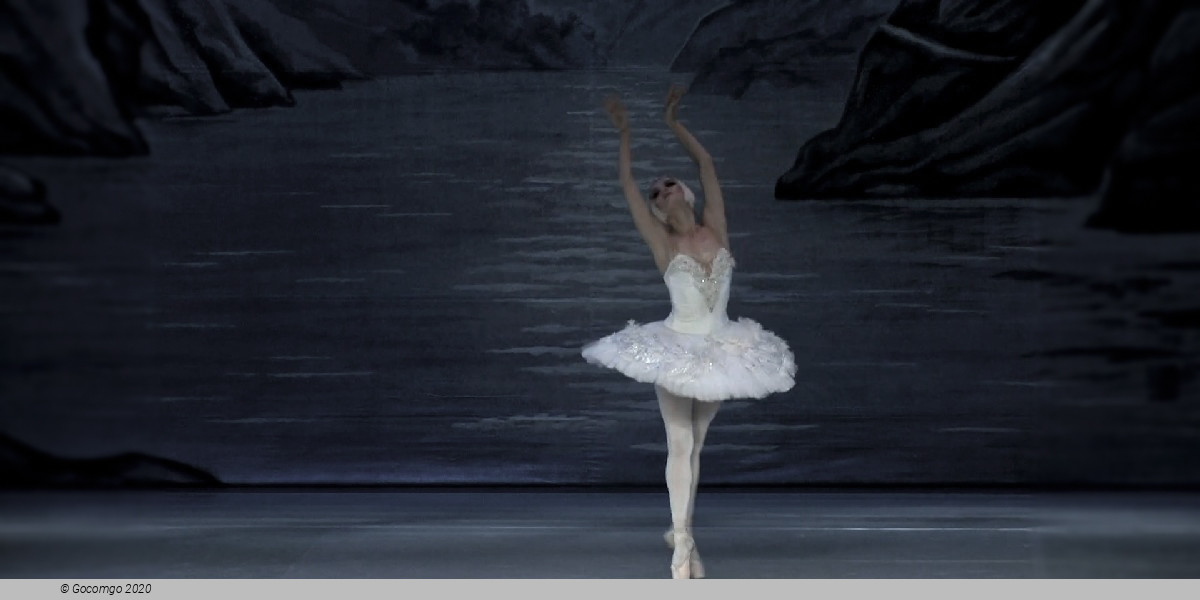
Siegfried has become separated from his friends. He arrives at the lakeside clearing, just as a flock of swans land [Scène. Moderato]. He aims his crossbow [Scène. Allegro moderato], but freezes when one of them transforms into a beautiful maiden, Odette [Scène. Moderato]. At first, she is terrified of Siegfried. When he promises not to harm her, she explains she and her companions are victims of a spell cast by the evil owl-like sorcerer Rothbart. By day they are turned into swans and only at night, by the side of the enchanted lake – created from the tears of Odette's mother – do they return to human form. The spell can only be broken if one who has never loved before swears to love Odette forever. Rothbart suddenly appears [Scène. Allegro vivo]. Siegfried threatens to kill him but Odette intercedes – if Rothbart dies before the spell is broken, it can never be undone.

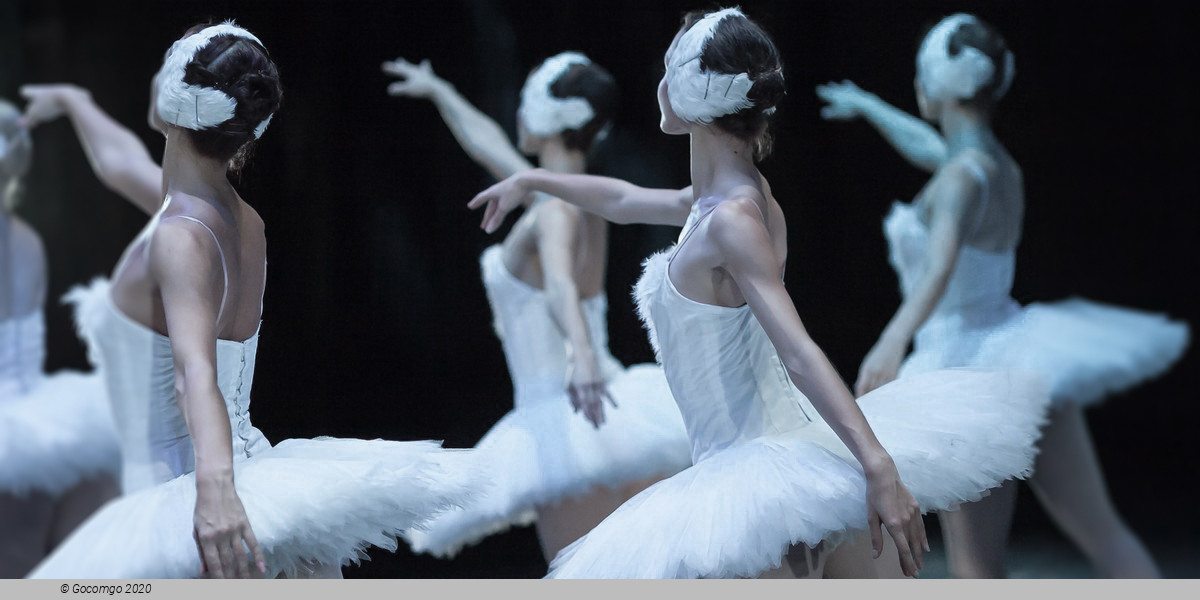
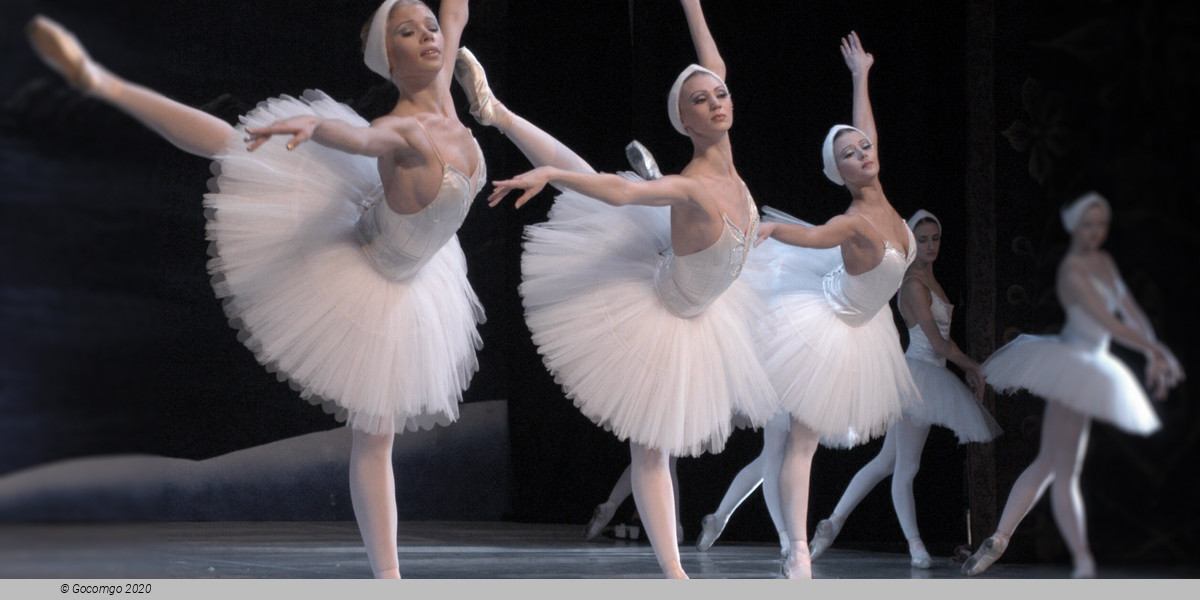
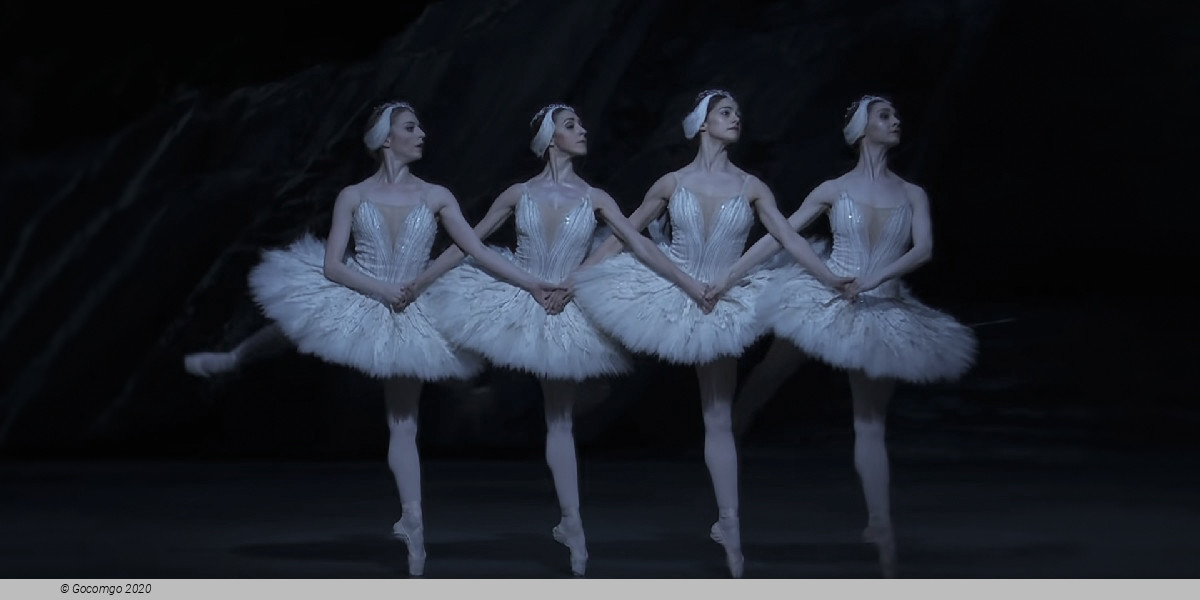
As Rothbart disappears, the swan maidens fill the clearing [Scène: Allegro, Moderato assai quasi andante]. Siegfried breaks his crossbow, and sets about winning Odette's trust as the two fall in love. But as dawn arrives, the evil spell draws Odette and her companions back to the lake and they are turned into swans again.

Act 3

An opulent hall in the palace

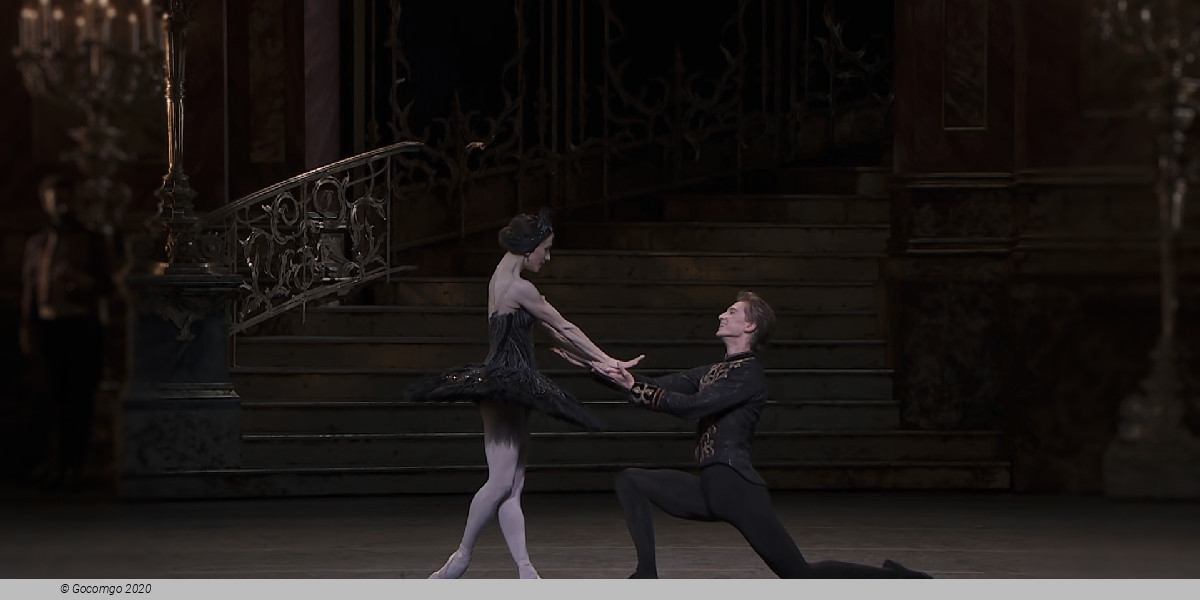
Guests arrive at the palace for a costume ball. Six princesses are presented to the prince [Entrance of the Guests and Waltz], as candidates for marriage. Rothbart arrives in disguise [Scène: Allegro, Allegro giusto] with his daughter, Odile, who is transformed to look like Odette. Though the princesses try to attract the prince with their dances [Pas de six], Siegfried has eyes only for Odile. [Scène: Allegro, Tempo di valse, Allegro vivo] Odette appears (usually at the castle window) and attempts to warn Siegfried, but he does not see her. He then proclaims to the court that he will marry "Odette" (Odile) before Rothbart shows him a magical vision of Odette. Grief-stricken and realizing his mistake, Siegfried hurries back to the lake.

Act 4

By the lakeside

Odette is distraught. The swan-maidens try to comfort her. Siegfried returns to the lake and makes a passionate apology. She forgives him, but his betrayal cannot be undone. Rather than remain a swan forever, Odette chooses to die. Siegfried chooses to die with her and they leap into the lake. This breaks Rothbart's spell over the swan maidens, causing him to lose his power over them and he dies. In an apotheosis, the swan maidens watch as Siegfried and Odette ascend into the Heavens together, forever united in love.

Venue Info

Margravial Opera House - Bayreuth
Location   Opernstraße 14

The Margravial Opera House is a Baroque opera house in the town of Bayreuth, Germany. Built between 1745 and 1750, it is one of Europe's few surviving theatres of the period and has been extensively restored. On 30 June 2012, the opera house was inscribed in the UNESCO World Heritage List because of its exceptional Baroque architecture.

The Bayreuth Opera House was inaugurated on the occasion of the marriage of their daughter Elisabeth Fredericka Sophie with Duke Charles Eugene of Württemberg. Princess Wilhelmine, older sister of the Prussian king Frederick the Great, had established the margravial theatre company in 1737. In the new opera house she participated as a composer of opera works and Singspiele, as well as an actor and director. Today she features in a sound-and-light presentation for tourists. After her death in 1758, performances ceased and the building went into disuse, one reason for its good conservation status.

More than one hundred years later, the stage's great depth of 27 metres  attracted the composer Richard Wagner, who in 1872 chose Bayreuth as festival centre and had the Festspielhaus built north of the town. The foundation stone ceremony was held on 22 May, Wagner's birthday, and included a performance of Beethoven's Symphony No. 9, directed by the maestro.

Parts of the 1994 biopic Farinelli were filmed in the Opera House. The theatre was the site of the annual Bayreuther Osterfestival until 2009. Each September from the year 2000 to 2009, the theatre also hosted the Bayreuth Baroque festival, with performances of early operatic rarities. The 2009 festival included performances of Andrea Bernasconi's festa teatrale, L'Huomo, to a libretto by the Margravine Wilhelmine. Bayreuth Baroque was revived in 2020.

The theatre closed between October 2012 for extensive refurbishment and redevelopment and reopened 12 April 2018.

The Margravial Opera House is modelled on Italian loge theatres of the period. The fully preserved tiers of loges made primarily of wood and canvas are installed as a free-standing construction within the stone exterior. The interior of the theatre was constructed in record time with some of the wooden architectural elements and sculptures prefabricated and painted elsewhere. Thus a masterpiece of ephemeral festival architecture was completed from 1744 until 1748 in under four years.

The restoration that took place from 2013 to 2018 re-established the original light and airy atmosphere of the illusionist painting in the auditorium with its overwhelming three-dimensional effect.

The auditorium and stage form a single unit. The large stage portal framed by columns at the rear of the auditorium faces the court loge. The sculptures decorating the loge, like those above the stage, glorify the Hohenzollern dynasty and the founders of the theatre, Margrave Friedrich and Margravine Wilhelmine of Brandenburg-Bayreuth.

Important Info
Type:
City: Bayreuth, Germany
Starts at: 20:00
Top of page