Act 1
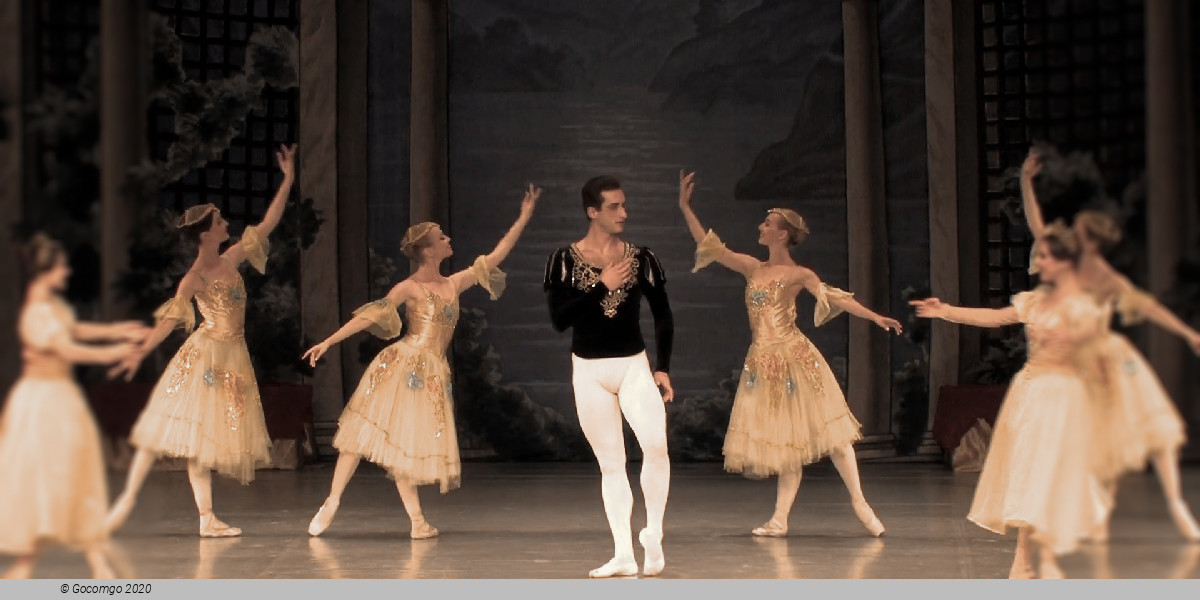
A garden in front of the Sovereign Princess's castle. The young folk are frolicking on the lawn. The young ladies and their partners are entertained by the Jester’s silly dancing. The Princess informs her son Siegfried that tomorrow during the ball he will have to choose his future wife from the beauties invited to the big day. Her words do not touch his heart: there is no girl whom he loves, and he is not willing to give up his uninhibited lifestyle. It begins to grow dark. The young folk are heading back to their homes. Siegfried is feeling blue: he is dreaming of a girl he could fall in love with. Where might he find her? His friends’ chatters don’t amuse him anymore. A flock of swans draws his attention. He sets off after them.
Act 2
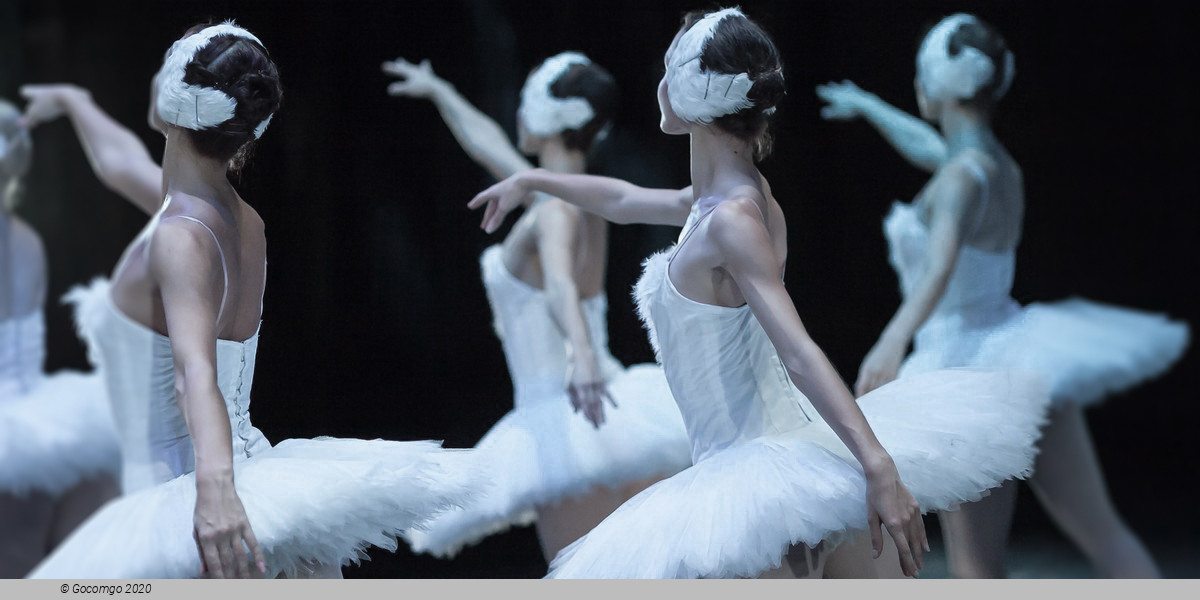
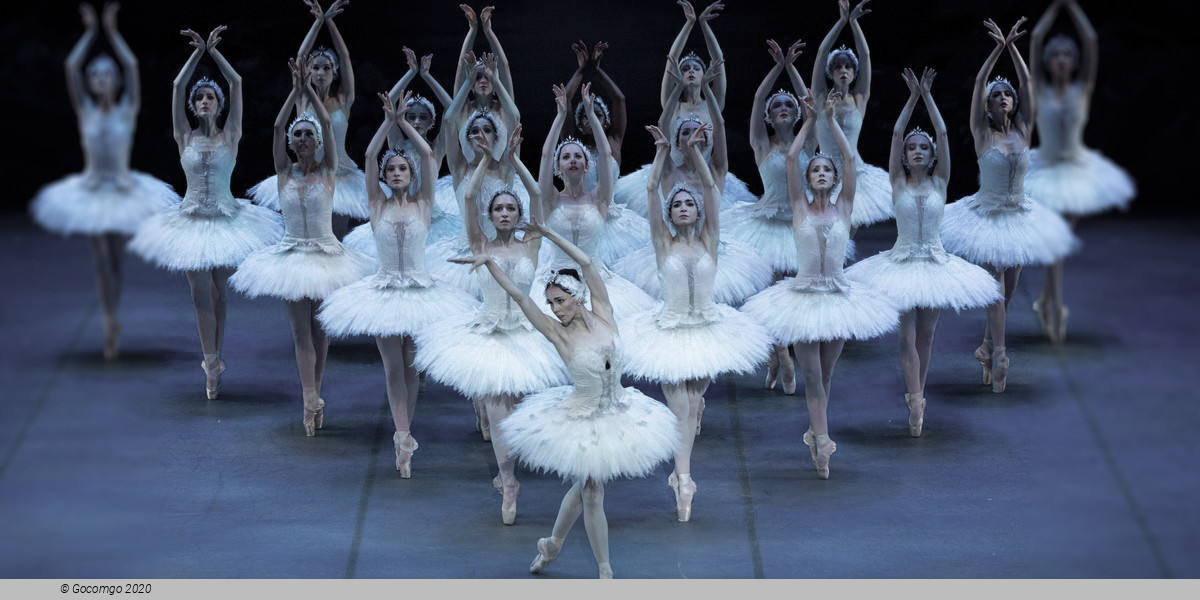
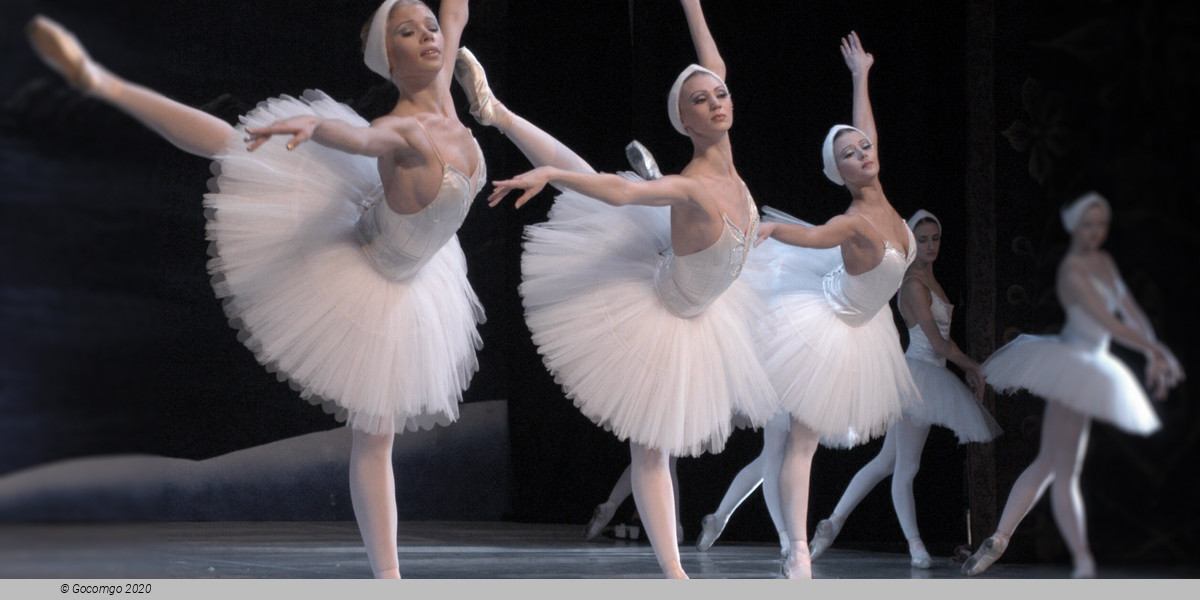
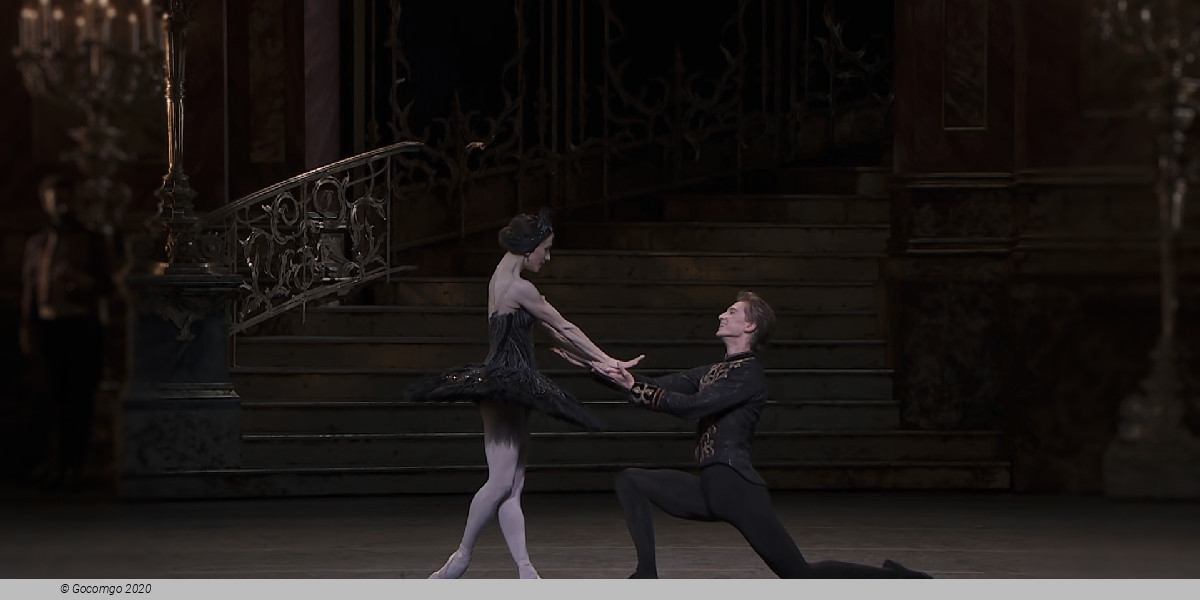
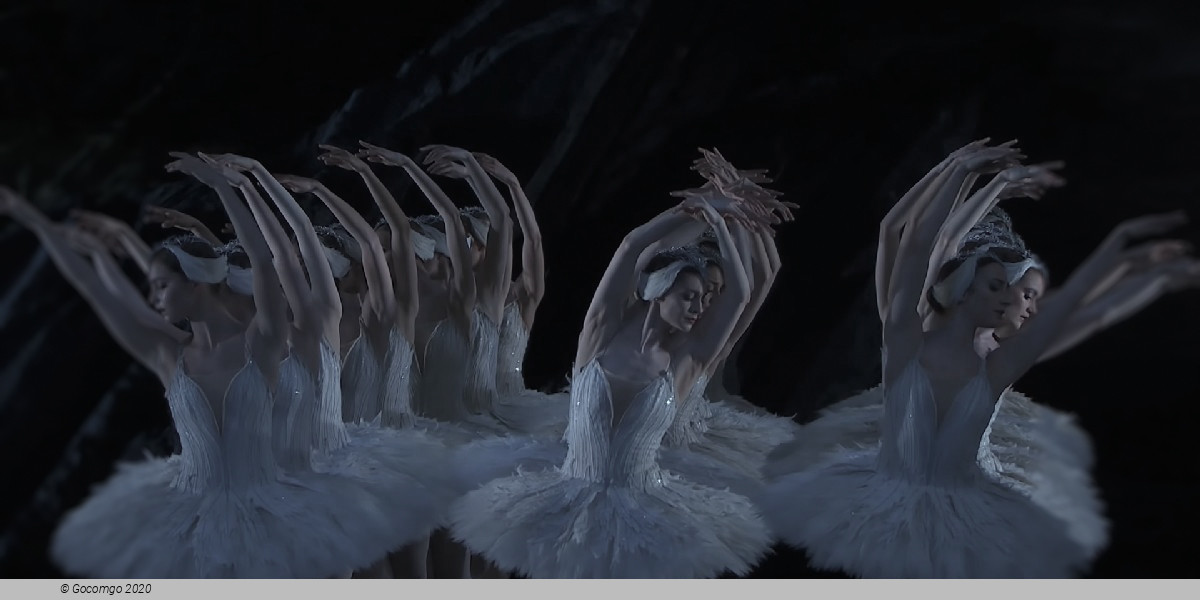
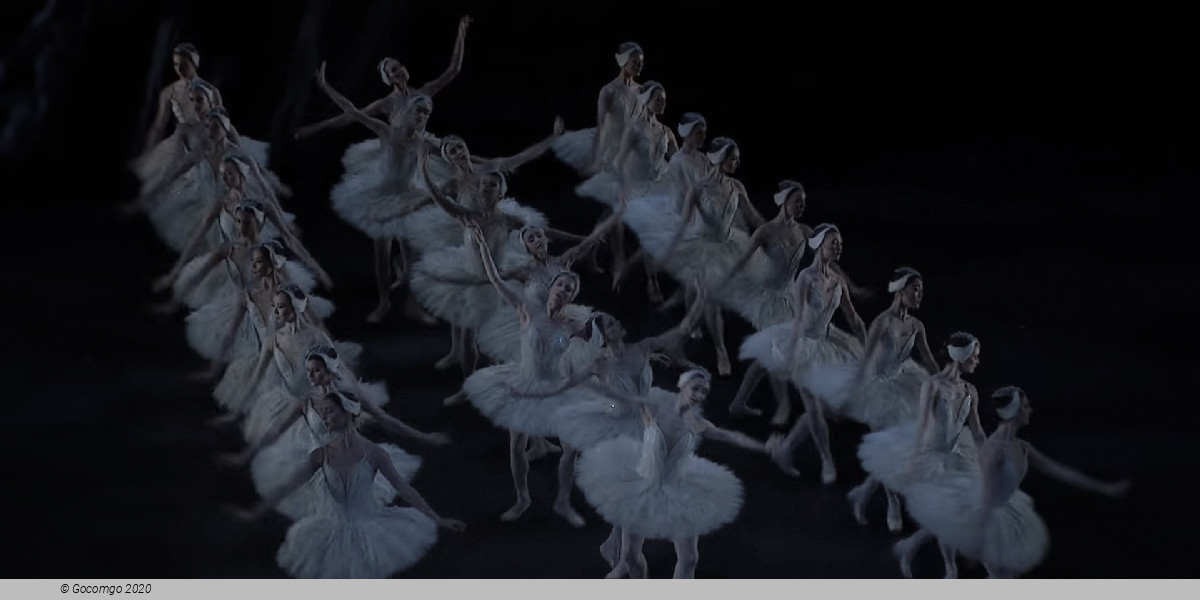
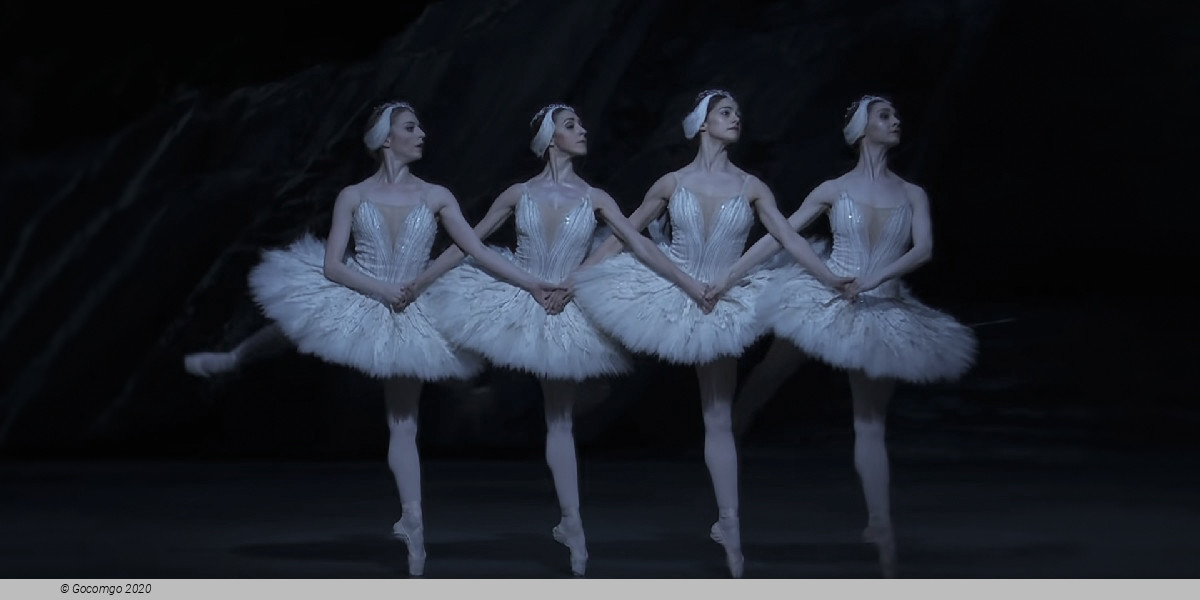
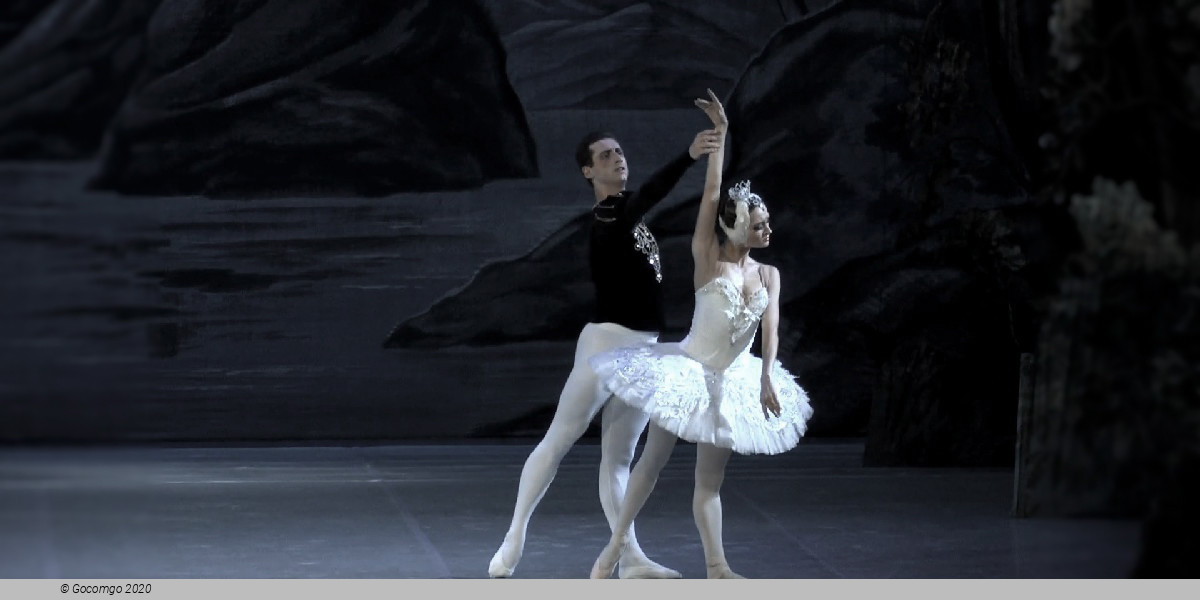
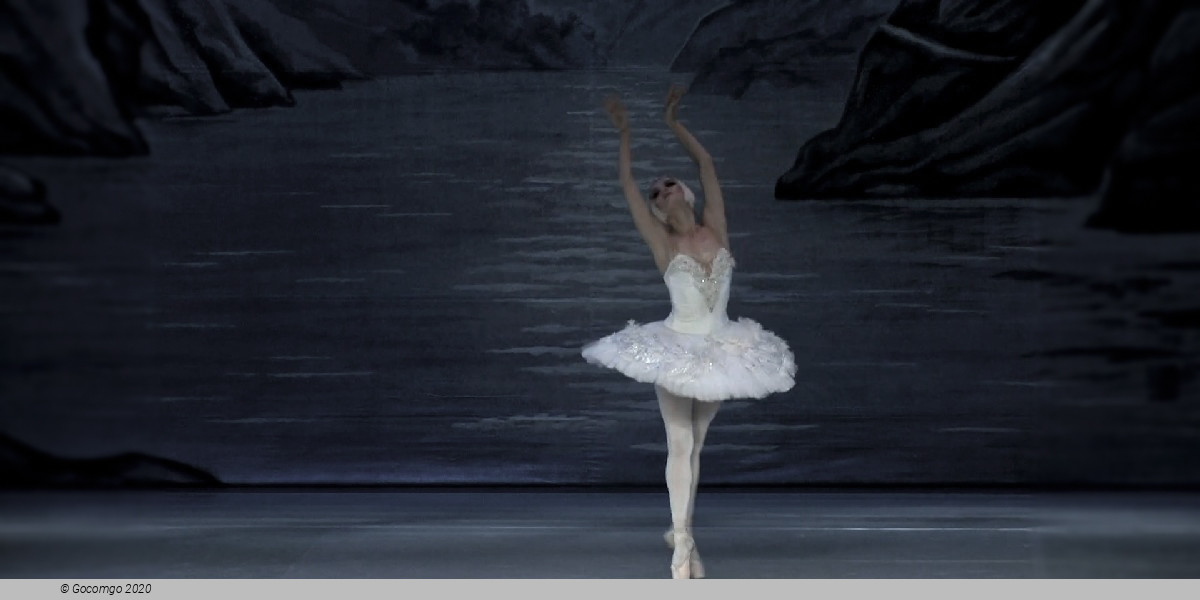
A moonlit night. The swans lead Siegfried to the shore of a dark lake. Upon going ashore, the swans transform into maidens and they start a round dance. Siegfried is attracted to a beautiful white swan – Odette, queen of the swans. Along with her friends, she was put under a spell: the Evil Genius turned them into swans, and only at night can they take on human form. The incantation can only be broken by the selfless love of a young man, who has never before proclaimed his love to anyone. Entranced by her beauty, Siegfried falls in love with the queen of the swans. He swears his fidelity and eternal love to her. The Evil Genius has overheard Odette and Siegfried talking. Dawn. The maidens are about to turn back into swans. Odette bids her beloved a farewell. Siegfried is sure about his love for her – he will set Odette free from the Evil Genius’ spell.
Act 3
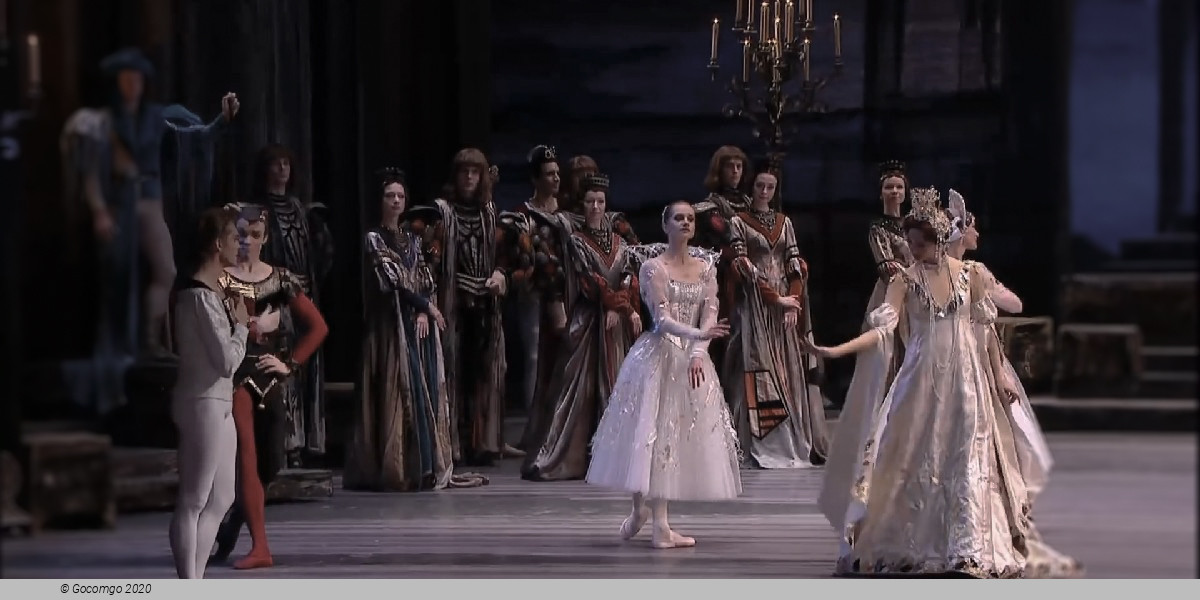
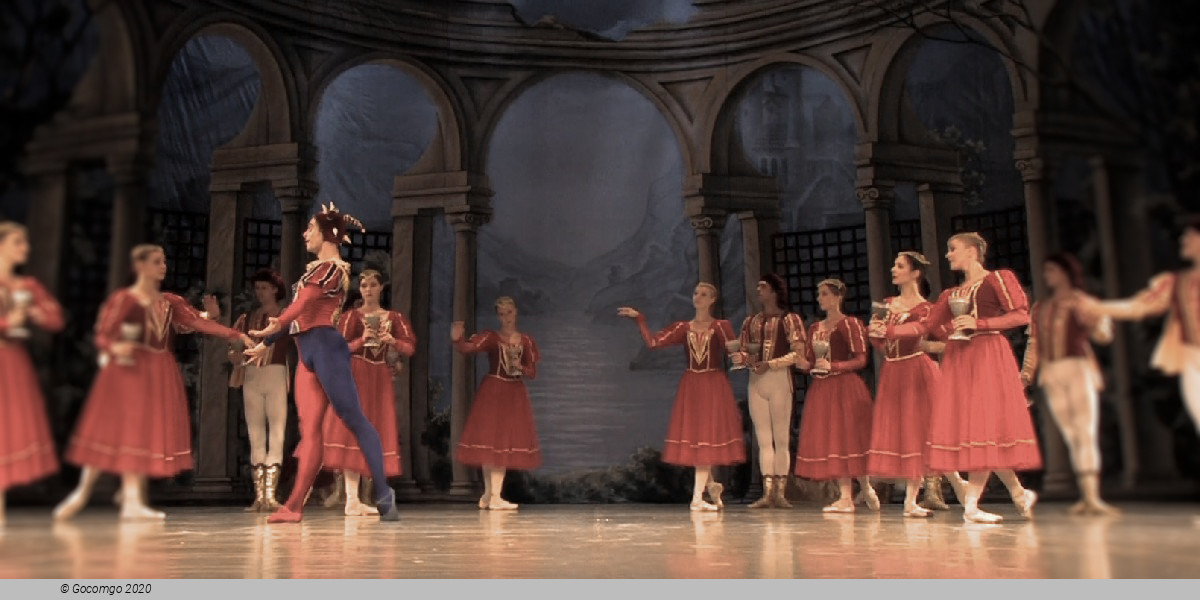
A ball at the sovereign princess’ castle. Today Siegfried is choosing his future wife. All the guests are here, but Siegfried is nowhere to be seen. The Jester starts his jolly dancing, and the guests follow him. Finally, Siegfried arrives. His heart is not moved by the gorgeous brides – his thoughts are with the enchanted maiden. A stranger appears. It is the Evil Genius in disguise. He has brought his daughter Odile to the ball, and she looks identical to Odette. The Evil Genius orders her to charm Siegfried and make him swear his love to her. The Prince does not recognize the Evil Genius and takes Odile for Odette. He announces his wish to marry her. The Evil Genius triumphs. The vow is broken, now Odette and her friends must die. The sorcerer points to Odette, who can be seen in the background, and with wicked laughter, he and Odile disappear. Siegfried realizes he was deceived. Frustrated, he hurries back to Swan Lake.
Act 4
An ominous night at the lake. A despondent Odette reveals the tragic news about the broken vow. The swan-maidens grieve: their hope of freedom is lost. Siegfried appears. He hasn’t broken his promise: it was his Odette, not Odile, who he saw at the castle. It was to her that he swore his undying love.
Lightning flashes the outraged Evil Genius summons a storm against the lovers, But nothing can overcome the pure love of inseparable Siegfried and Odette. The Evil Genius decides to fight Siegfried himself and dies in the clash. His spells are destroyed. Odette and Siegfried, surrounded by Odette’s friends, watch the sunrise.
Swan Lake is generally presented in either four acts, four scenes (primarily outside Russia and Eastern Europe) or three acts, four scenes (primarily in Russia and Eastern Europe). The biggest difference of productions all over the world is that the ending, originally tragic, is now sometimes altered to a happy ending.
Prologue
Some productions include a prologue that shows how Odette first meets Rothbart, who turns Odette into a swan.
Act 1
A magnificent park before a palace
[Scène: Allegro giusto] Prince Siegfried is celebrating his birthday with his tutor, friends and peasants [Waltz]. The revelries are interrupted by Siegfried's mother, the Queen [Scène: Allegro moderato], who is concerned about her son's carefree lifestyle. She tells him that he must choose a bride at the royal ball the following evening (some productions include the presentation of some possible candidates). Siegfried is upset that he cannot marry for love. His friend Benno and the tutor try to lift his troubled mood. As evening falls [Sujet], Benno sees a flock of swans flying overhead and suggests they go on a hunt [Finale I]. Siegfried and his friends take their crossbows and set off in pursuit of the swans.
Act 2
A lakeside clearing in a forest by the ruins of a chapel. A moonlit night.
The "Valse des cygnes" from act 2 of the Ivanov/Petipa edition of Swan Lake
Siegfried has become separated from his friends. He arrives at the lakeside clearing, just as a flock of swans land [Scène. Moderato]. He aims his crossbow [Scène. Allegro moderato], but freezes when one of them transforms into a beautiful maiden, Odette [Scène. Moderato]. At first, she is terrified of Siegfried. When he promises not to harm her, she explains she and her companions are victims of a spell cast by the evil owl-like sorcerer Rothbart. By day they are turned into swans and only at night, by the side of the enchanted lake – created from the tears of Odette's mother – do they return to human form. The spell can only be broken if one who has never loved before swears to love Odette forever. Rothbart suddenly appears [Scène. Allegro vivo]. Siegfried threatens to kill him but Odette intercedes – if Rothbart dies before the spell is broken, it can never be undone.
As Rothbart disappears, the swan maidens fill the clearing [Scène: Allegro, Moderato assai quasi andante]. Siegfried breaks his crossbow, and sets about winning Odette's trust as the two fall in love. But as dawn arrives, the evil spell draws Odette and her companions back to the lake and they are turned into swans again.
Act 3
An opulent hall in the palace
Guests arrive at the palace for a costume ball. Six princesses are presented to the prince [Entrance of the Guests and Waltz], as candidates for marriage. Rothbart arrives in disguise [Scène: Allegro, Allegro giusto] with his daughter, Odile, who is transformed to look like Odette. Though the princesses try to attract the prince with their dances [Pas de six], Siegfried has eyes only for Odile. [Scène: Allegro, Tempo di valse, Allegro vivo] Odette appears (usually at the castle window) and attempts to warn Siegfried, but he does not see her. He then proclaims to the court that he will marry "Odette" (Odile) before Rothbart shows him a magical vision of Odette. Grief-stricken and realizing his mistake, Siegfried hurries back to the lake.
Act 4
By the lakeside
Odette is distraught. The swan-maidens try to comfort her. Siegfried returns to the lake and makes a passionate apology. She forgives him, but his betrayal cannot be undone. Rather than remain a swan forever, Odette chooses to die. Siegfried chooses to die with her and they leap into the lake. This breaks Rothbart's spell over the swan maidens, causing him to lose his power over them and he dies. In an apotheosis, the swan maidens watch as Siegfried and Odette ascend into the Heavens together, forever united in love.






 36 Krasny Prospect