Prague National Theatre tickets 18 February 2027 - Premiere Der Zwerg (The Dwarf) | GoComGo.com

Premiere
Der Zwerg (The Dwarf)

Prague National Theatre, The State Opera, Prague, Czech Republic
Select date and time
7 PM
From
US$ 70

E-tickets: Print at home or at the box office of the event if so specified. You will find more information in your booking confirmation email.

You can only select the category, and not the exact seats.
If you order 2 or 3 tickets: your seats will be next to each other.
If you order 4 or more tickets: your seats will be next to each other, or, if this is not possible, we will provide a combination of groups of seats (at least in pairs, for example 2+2 or 2+3).

Important Info
Type: Opera
City: Prague, Czech Republic
Starts at: 19:00
Sung in: German
Titles in: Czech,English

E-tickets: Print at home or at the box office of the event if so specified. You will find more information in your booking confirmation email.

You can only select the category, and not the exact seats.
If you order 2 or 3 tickets: your seats will be next to each other.
If you order 4 or more tickets: your seats will be next to each other, or, if this is not possible, we will provide a combination of groups of seats (at least in pairs, for example 2+2 or 2+3).

Cast
Performers
Ballet company: National Theatre Opera Ballet
Choir: The State Opera Chorus
Orchestra: The State Opera Orchestra
Creators
Composer: Alexander Zemlinsky
Director: Ersan Mondtag
Librettist: Georg C. Klaren
Dramaturge: Oscar Wilde
Overview

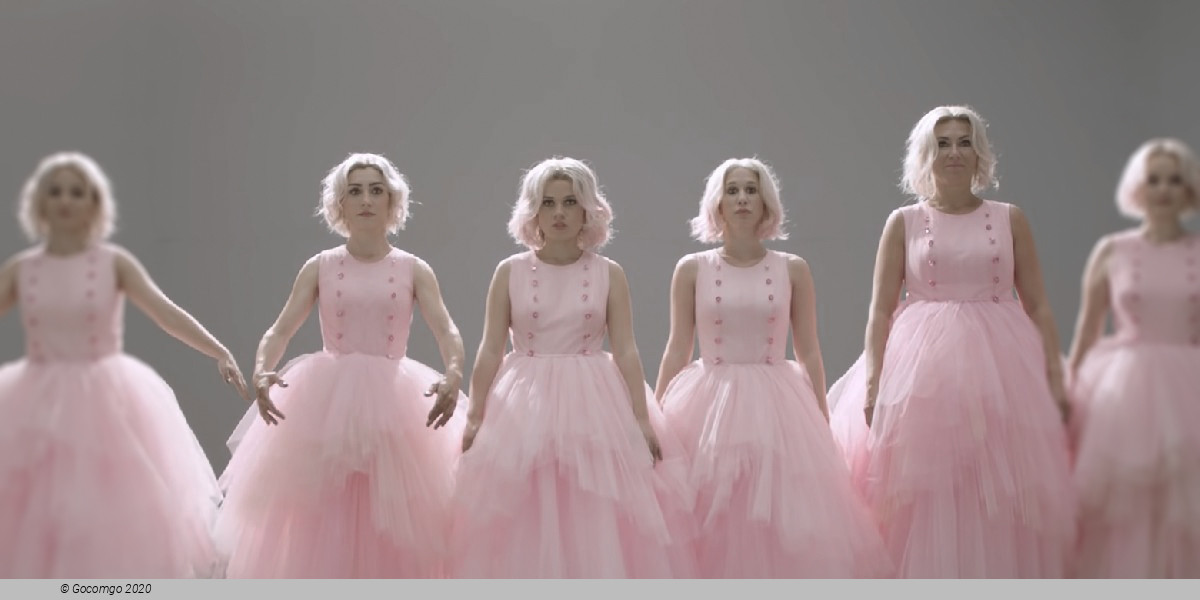
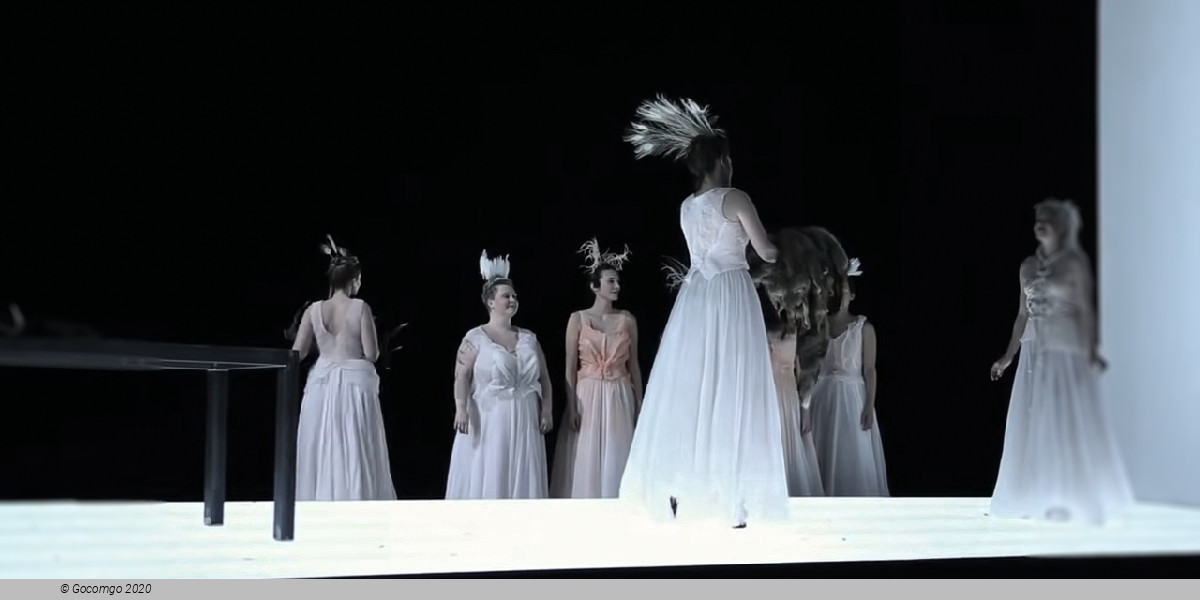
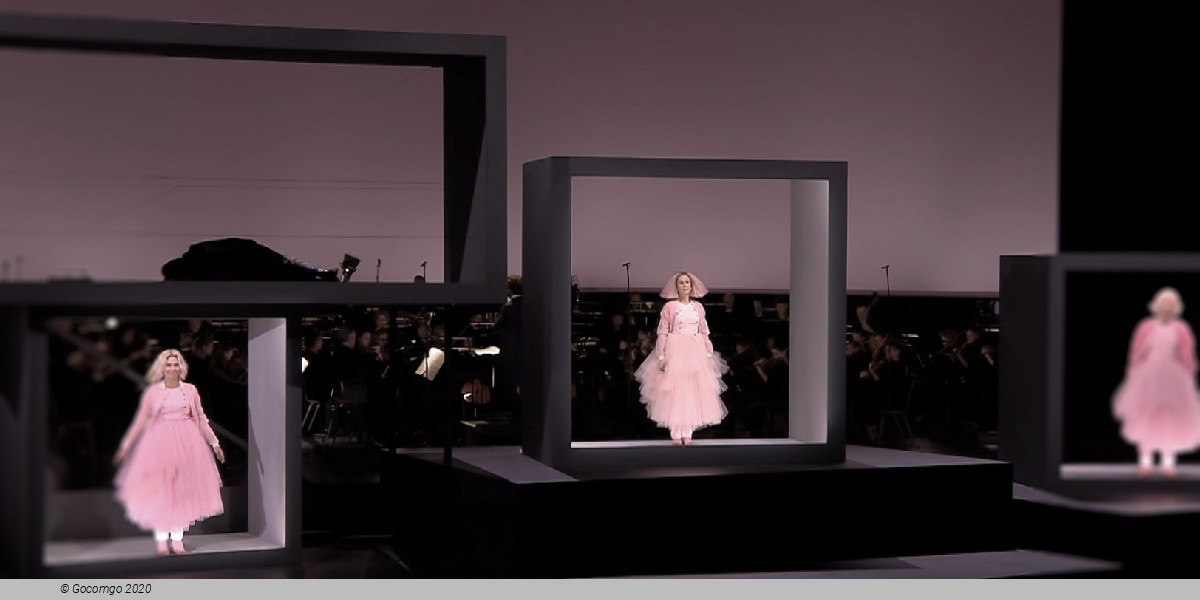
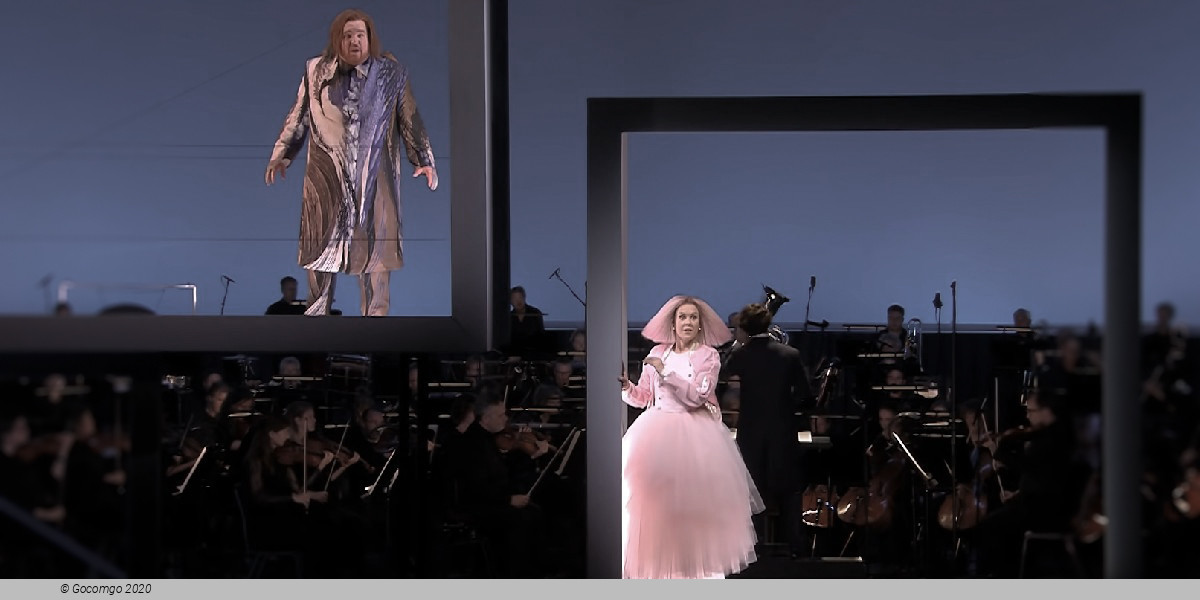
Alexander Zemlinsky’s one-acter Der Zwerg (The Dwarf), inspired by Oscar Wilde’s tale The Birthday of the Infanta, takes place at the Spanish court.

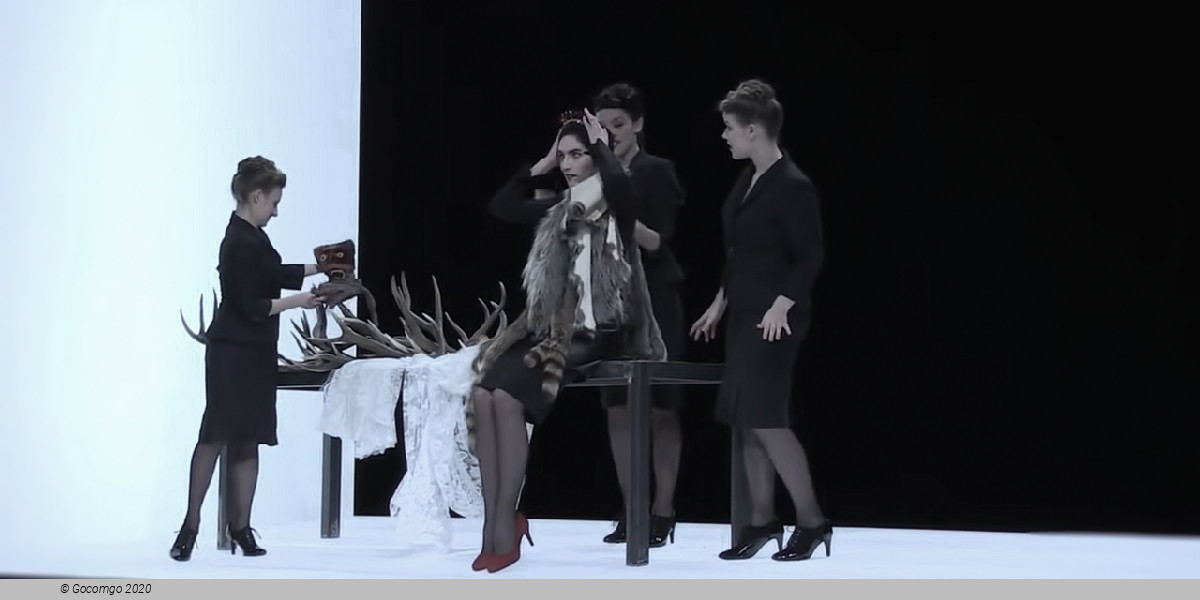
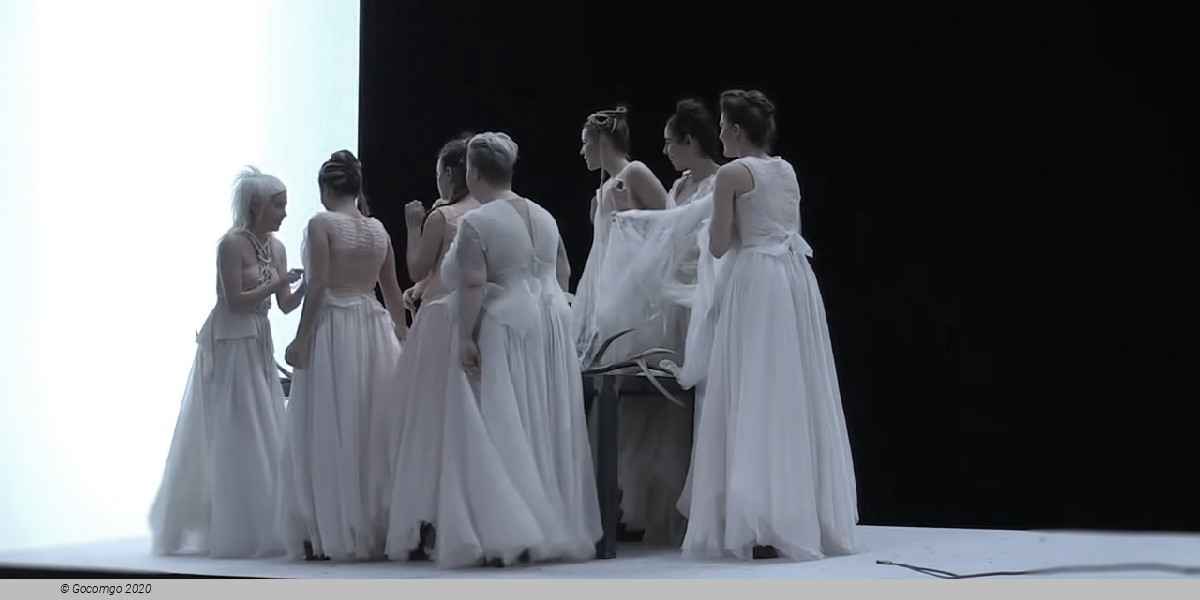
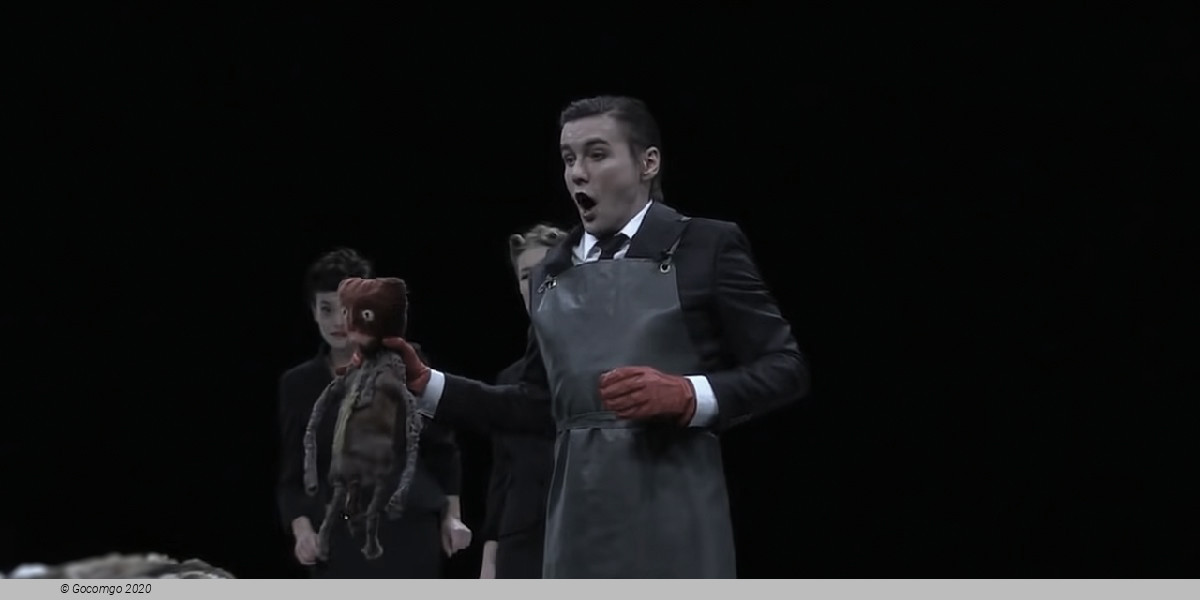
A party is thrown to celebrate the birthday of the 18-year-old Crown Princess. A Sultan has sent her a dwarf as a present – a creature endowed with a sensitive heart, yet doomed to nothing but providing entertainment. Never having seen his image in a mirror, the dwarf is not aware of his physical deformity and inhabits the illusory world of innocent self-confidence. Infatuated by the Infanta’s beauty, he falls in love with her and naively dreams of becoming her brave champion. The girl, however, merely only toys with the dwarf and gifts him a white rose – a symbol of purity and false hope. When the dwarf gets to see his reflection in a mirror for the first time, he is appalled, whereupon his delusional universe comes tumbling down. Heartbroken and clutching the white rose, he dies, while the Infanta’s party continues  indifferently. The story lays bare the cruelty of the world of power and beauty, and the tragic discrepancy between the inner human value and outer semblance.

Zemlinsky composed Der Zwerg during his tenure at the Neues deutsches Theater (NDT) in Prague, where from 1911 to 1927 he served as director of the opera company. The work received its world premiere in May 1922 in Cologne, while the NDT only staged it four years later.

The opera was then revived in Prague almost 80 years later, in March 1992, when it was presented by Hilary Griffiths alongside another well-known Zemlinsky one-acter, Eine florentinische Tragödie. The new production of Der Zwerg has been undertaken by Ersan Mondtag, a major German director, renowned for his visually riveting sceneries, as well as the Music Director of the State Opera, the conductor Hermann Bäumer. Opera Ballet Vlaanderen

Co-production with the Opera Ballet Vlaanderen

History
Premiere of this production: 22 May 1922, Stadttheater Glockengasse, Cologne

Der Zwerg (The Dwarf), is an opera in one act by Austrian composer Alexander von Zemlinsky to a libretto by Georg C. Klaren, freely adapted from the short story "The Birthday of the Infanta" by Oscar Wilde.

Synopsis

A sultan has sent a dwarf as a present to the Infanta (Spanish princess) Donna Clara on her birthday. The dwarf is unaware of his physical deformity and becomes infatuated with the Infanta. He sings her a love song and imagines himself her brave knight. She toys with him and gives him a white rose as a present. Left alone, he accidentally uncovers a mirror and sees his own reflection for the first time. In great agitation, he tries to obtain a kiss from the Infanta, but she spurns him and calls him a monster. His heart is broken, he dies clutching the white rose as the Infanta rejoins the party.

Venue Info

Prague National Theatre - Prague
Location   Národní 2

The National Theatre is the prime stage of the Czech Republic. It is also one of the symbols of national identity and a part of the European cultural space, with a tradition spanning more than 130 years. It is the bearer of the national cultural heritage, as well as a space for free artistic creation.

The National Theatre (Czech: Národní divadlo) in Prague is known as the alma mater of Czech opera, and as the national monument of Czech history and art.

The National Theatre belongs to the most important Czech cultural institutions, with a rich artistic tradition, which helped to preserve and develop the most important features of the nation–the Czech language and a sense for a Czech musical and dramatic way of thinking.

Today, the National Theatre is made up of four artistic companies – the Opera, Drama, Ballet and Laterna magika. It artistically manages four stages – the three historical buildings: the National Theatre (1883), the State Opera (1888), and the Estates Theatre (1783), and the more recently opened New Stage (1983). The Opera, Drama and Ballet companies perform not only titles from the ample classical legacy, in addition to Czech works, they also focus on contemporary international creation.

Grand opening

The National Theatre was opened for the first time on 11 June 1881, to honour the visit of Crown Prince Rudolf of Austria. Bedřich Smetana's opera Libuše was given its world premiere, conducted by Adolf Čech. Another 11 performances were presented after that. Then the theatre was closed down to enable the completion of the finishing touches. While this work was under way a fire broke out on 12 August 1881, which destroyed the copper dome, the auditorium, and the stage of the theatre.

The fire was seen as a national catastrophe and was met with a mighty wave of determination to take up a new collection: Within 47 days a million guldens were collected. This national enthusiasm, however, did not correspond to the behind-the-scenes battles that flared up following the catastrophe. Architect Josef Zítek was no longer in the running, and his pupil architect Josef Schulz was summoned to work on the reconstruction. He was the one to assert the expansion of the edifice to include the block of flats belonging to Dr. Polák that was situated behind the building of the Provisional Theatre. He made this building a part of the National Theatre and simultaneously changed somewhat the area of the auditorium to improve visibility. He did, however, take into account with utmost sensitivity the style of Zítek's design, and so he managed to merge three buildings by various architects to form an absolute unity of style.

Important Info
Type: Opera
City: Prague, Czech Republic
Starts at: 19:00
Sung in: German
Titles in: Czech,English
Top of page