




Salle des Combins is the Verbier Festival’s main concert hall. It normally seats 1,419. Each row is on a separate tier, which guarantees an excellent view of the stage. Improvements to the soundproofing and heat insulation make this a very high-quality non-permanent venue. All of the Festival’s symphonic concerts, operas, large world music, jazz, dance events and some recitals are presented here.
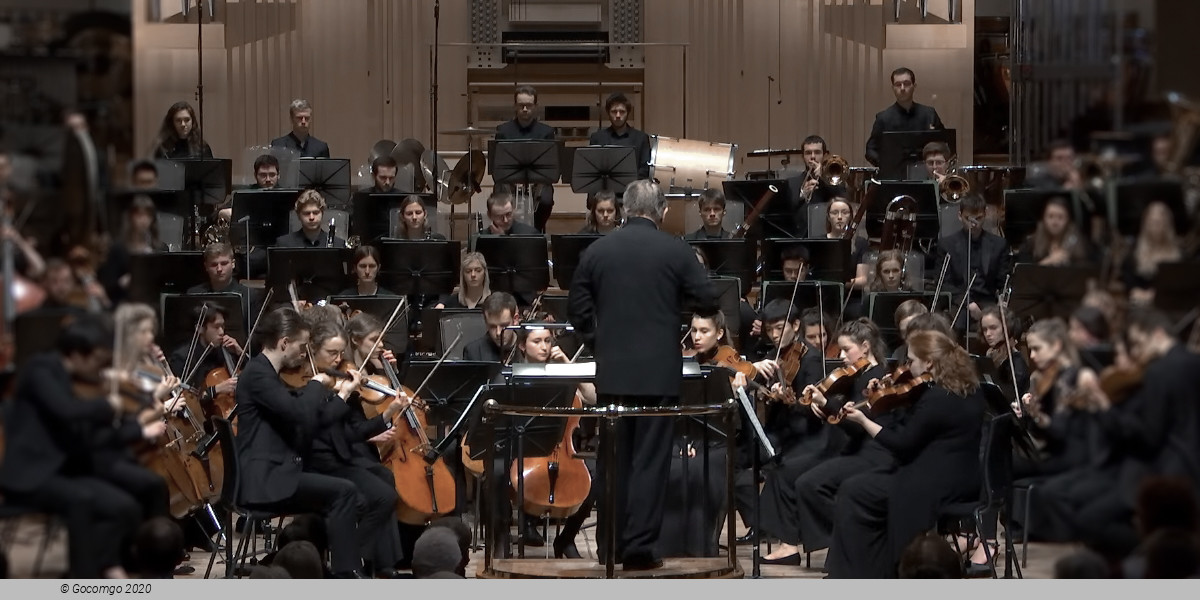
Verbier Festival Chamber Orchestra, Gábor Takács-Nagy and Mao Fujita
Salle des Combins,
Verbier, Switzerland
All photos (1)
Select date and time
7 PM
Request for Tickets
Important Info
E-tickets: Print at home or at the box office of the event if so specified. You will find more information in your booking confirmation email.
You can only select the category, and not the exact seats.
If you order 2 or 3 tickets: your seats will be next to each other.
If you order 4 or more tickets: your seats will be next to each other, or, if this is not possible, we will provide a combination of groups of seats (at least in pairs, for example 2+2 or 2+3).
Festival
Verbier Festival 2022
The classical world's most anticipated, highest-altitude festival of the year returned in summer 2022. The Verbier Festival came back on July 15 – 31, 2022. It brought the biggest and brightest stars in classical music, revisiting favorite works and taking on brand-new repertoire in the storied Salle des Combins and Verbier Église. Beloved performers of Verbiers past are once again on the docket—alongside some exciting Verbier debuts—in this blockbuster event from the gorgeous Swiss Alps, where the only thing more breathtaking than the view is the music.
Programme
Ludwig van Beethoven: Piano Concerto no. 2 in B flat major, Op.19
Ludwig van Beethoven: Symphony no. 9 in D minor "Choral", Op.125
Overview
Mao Fujita take over Martha Argerich for Beethoven evening with his Second Piano Concerto, performed alongside Gábor Tákacs-Nagy and the Verbier Festival Chamber Orchestra. The programme also features the Ninth Symphony with esteemed soloists and the Münchener Bach-Chor.
Written between 1795 and 1800, Beethoven’s First Piano Concerto displays the audible influence of Mozart, but also Beethoven’s own bold originality such as the new scale of its martial-sounding first movement’s orchestral introduction. The Largo sees clarinet colour play a starring role, before a vivacious rondo finale. His groundbreaking innovations were at their zenith, though, for his ‘Choral’ Ninth Symphony of 1824. At over an hour in length, its size was unprecedented, as was its use of a chorus and vocal soloists. Equally revolutionary was its epic dramatic scale: mysterious, elemental opening bars, from which explode a shattering fanfare. Then, following an energetic Scherzo and Trio, and a sublime Adagio, a return to the very beginning’s darkness – before its banishment by the arrival of the famous jubilant theme, and lyrics by Beethoven and Friedrich Schiller urging us to reject those opening sounds and instead embrace joy.
Venue Info
Salle des Combins - Verbier
 Chemin de Plan Pra
Chemin de Plan Pra
Important Info
Festival: Verbier Festival 2022
Type: Classical Concert
City: Verbier, Switzerland
Starts at: 19:00