




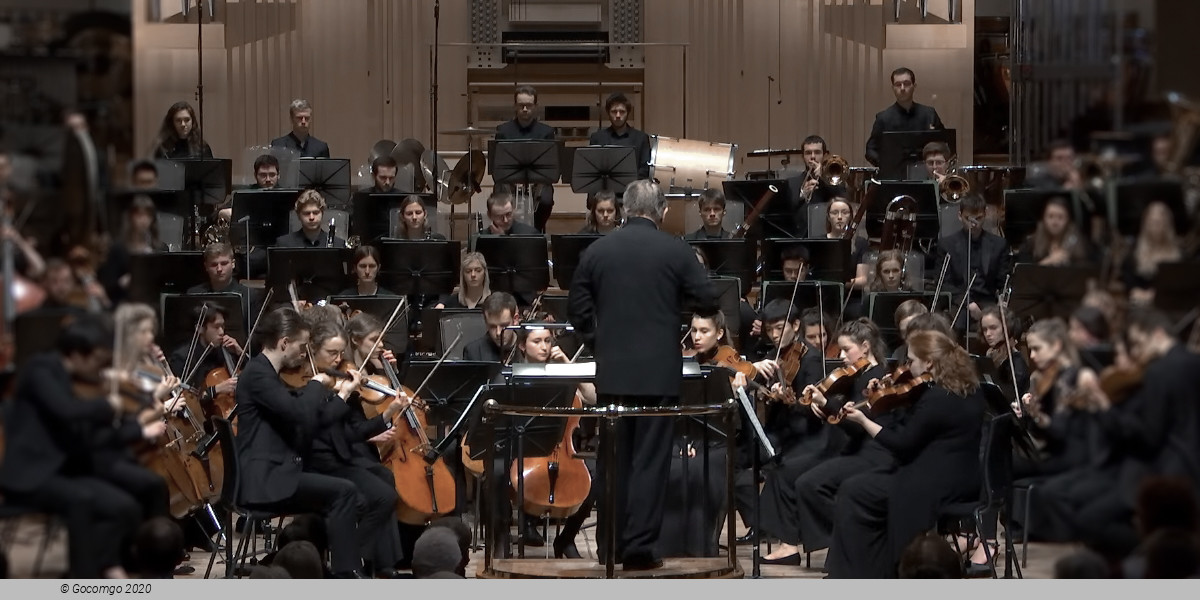
Salle des Combins is the Verbier Festival’s main concert hall. It normally seats 1,419. Each row is on a separate tier, which guarantees an excellent view of the stage. Improvements to the soundproofing and heat insulation make this a very high-quality non-permanent venue. All of the Festival’s symphonic concerts, operas, large world music, jazz, dance events and some recitals are presented here.
Rencontres Inédites II
Salle des Combins,
Verbier, Switzerland
All photos (1)
Select date and time
8:15 PM
Request for Tickets
Important Info
Festival: Verbier Festival 2021
Type: Classical Concert
City: Verbier, Switzerland
Starts at: 20:15
Duration: 1h
E-tickets: Print at home or at the box office of the event if so specified. You will find more information in your booking confirmation email.
You can only select the category, and not the exact seats.
If you order 2 or 3 tickets: your seats will be next to each other.
If you order 4 or more tickets: your seats will be next to each other, or, if this is not possible, we will provide a combination of groups of seats (at least in pairs, for example 2+2 or 2+3).
Festival
Verbier Festival 2021
The Verbier Festival, now in its 28th year, announces its return for 17 days of concerts, masterclasses, talks and education events in the picturesque setting of the Swiss Alps.
Programme
Pyotr Tchaikovsky: Piano Trio in A minor, "In memory of a Great Artist" Op.50
Overview
Setting the scene for another unforgettable concert, Janine Jansen, Mischa Maisky and Mikhaïl Pletnev meet together on stage for a special Rencontres Inédites performing Tchaikovsky’s Trio for piano, violin and cello Op. 50.
Tchaikovsky’s symphonic-length Piano Trio in A minor was to the memory of his friend, the pianist and conductor Arthur Rubinstein, who had died from tuberculosis aged 45. While previously he’d vowed never to write a trio (“the different timbres of these instruments sound as if they are battling one another. I find it genuine torture to listen to”), he was very pleased with it, albeit while worrying it may be “an arrangement of orchestral music”. The first movement opens mournfully, but moves through multiple keys, tempi and moods. The second is a nostalgia-toned theme and variations including an energetic fugue and a playful mazurka. After a flamboyant A major Variazione finale, A minor returns for the Lugubre coda reintroducing the work’s very opening theme as a fortississimo tragic lamentation. It eventually slows to finish on a quiet, exhausted funeral march.
Venue Info
Salle des Combins - Verbier
 Chemin de Plan Pra
Chemin de Plan Pra
Important Info
Festival: Verbier Festival 2021
Type: Classical Concert
City: Verbier, Switzerland
Starts at: 20:15
Duration: 1h