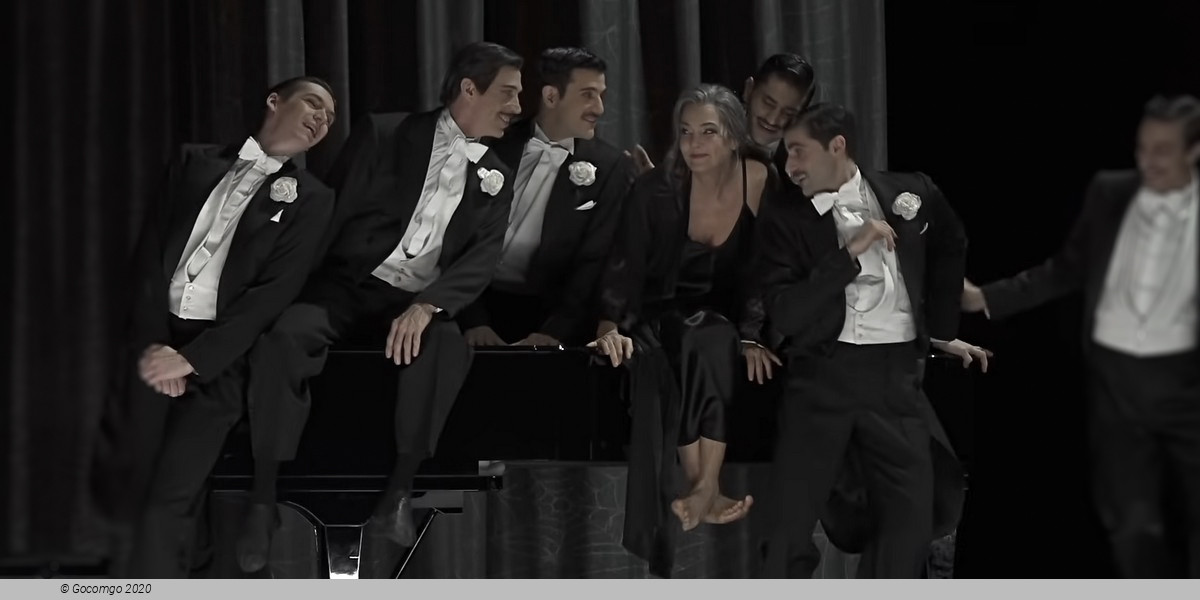
Semperoper Dresden tickets 10 January 2027 - The Merry Widow | GoComGo.com

The Merry Widow

Semperoper Dresden, Semperoper Dresden, Dresden, Germany
All photos (17)
Select date and time
2 PM
From
US$ 98

E-tickets: Print at home or at the box office of the event if so specified. You will find more information in your booking confirmation email.

You can only select the category, and not the exact seats.
If you order 2 or 3 tickets: your seats will be next to each other.
If you order 4 or more tickets: your seats will be next to each other, or, if this is not possible, we will provide a combination of groups of seats (at least in pairs, for example 2+2 or 2+3).

Important Info
Type: Operetta
City: Dresden, Germany
Starts at: 14:00

E-tickets: Print at home or at the box office of the event if so specified. You will find more information in your booking confirmation email.

You can only select the category, and not the exact seats.
If you order 2 or 3 tickets: your seats will be next to each other.
If you order 4 or more tickets: your seats will be next to each other, or, if this is not possible, we will provide a combination of groups of seats (at least in pairs, for example 2+2 or 2+3).

Cast
Performers
Conductor: Killian Farrell
Soprano: Erica Eloff (Hanna Glawari)
Baritone: Johannes Martin Kränzle (Count Danilo Danilovitsch)
Tenor: Jürgen Müller (Vicomte Cascada)
Soprano: Magdalena Lucjan (Valencienne)
Tenor: Mario Lerchenberger (Camille, Count de Rosillon)
Bass-Baritone: Markus Marquardt (Baron Mirko Zeta)
Bass: Martin-Jan Nijhof (Bogdanovitch)
Soprano: Sabine Brohm (Njegus)
Creators
Composer: Franz Lehár
Choreography: Kerstin Ried
Librettist: Leo Stein
Librettist: Viktor Léon
Overview

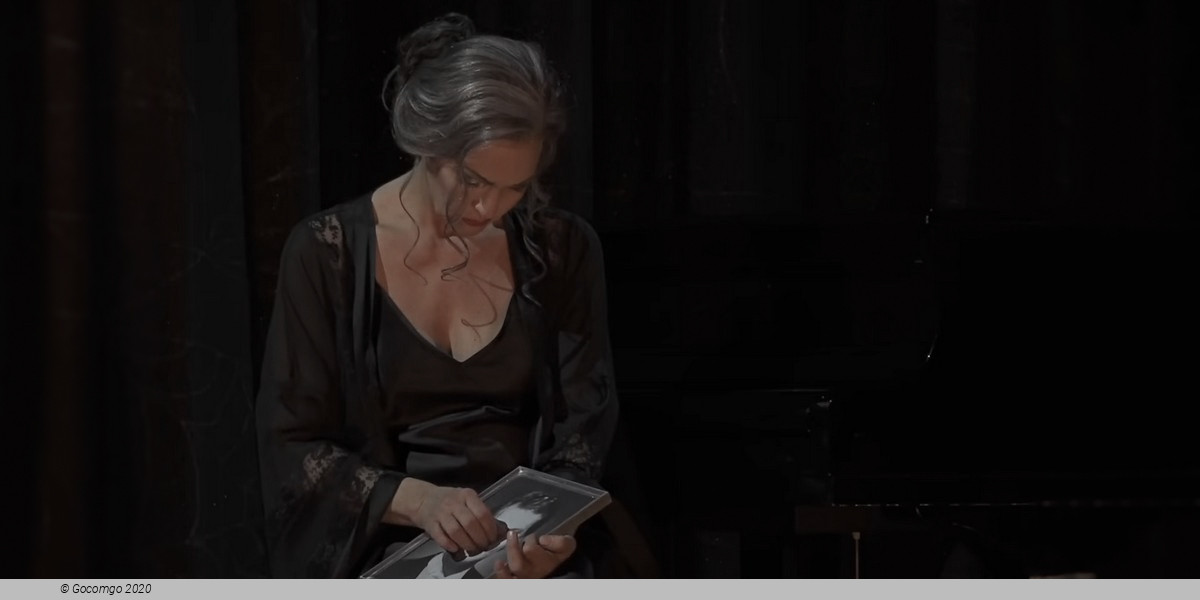
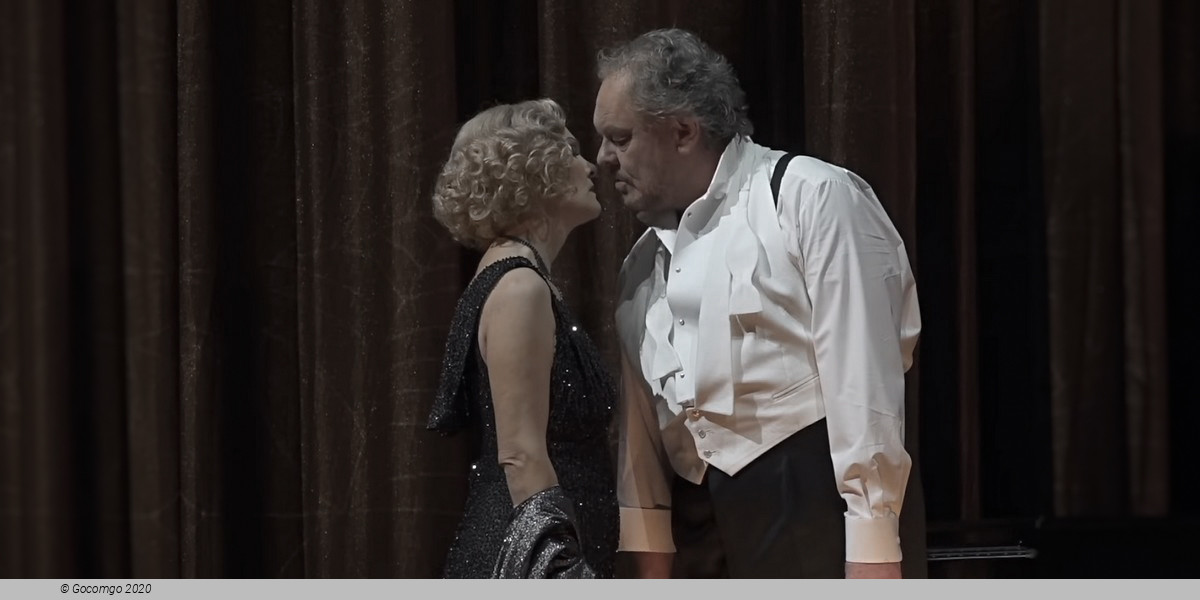
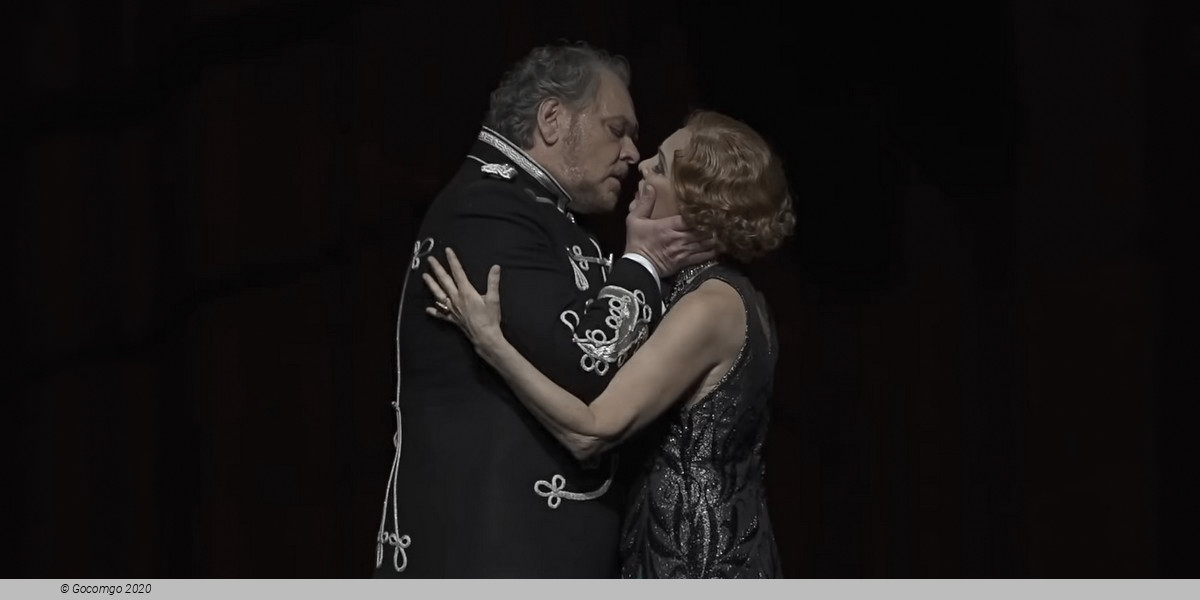
The Merry Widow is a beloved operetta by the composer Franz Lehár, performed at the historic Semperoper Dresden. Full of sparkling melodies, elegant dances, and witty romance, the production tells the charming story of a wealthy widow whose marriage could determine the financial future of her homeland. Combining humor, glamour, and unforgettable music, the operetta remains one of the most popular works in the light opera repertoire.

The Merry Widow (Die lustige Witwe) is one of the most celebrated operettas in the history of musical theatre. Composed by Franz Lehár and premiered in 1905, the work quickly became an international sensation thanks to its captivating melodies, elegant waltzes, and lighthearted yet sophisticated storytelling.

The operetta takes place in Paris at the embassy of the small Balkan state of Pontevedro. The country faces financial difficulties, and its leaders fear that the enormous fortune of the young widow Hanna Glawari could leave the country if she marries a foreigner. To prevent this, the ambassador arranges for the charming Count Danilo to court her and keep her wealth within Pontevedro.

However, the situation is complicated by the romantic history between Hanna and Danilo, who once loved each other but separated because of social expectations. As the story unfolds through glamorous parties, witty intrigues, and elegant dance scenes, both characters must confront their true feelings.

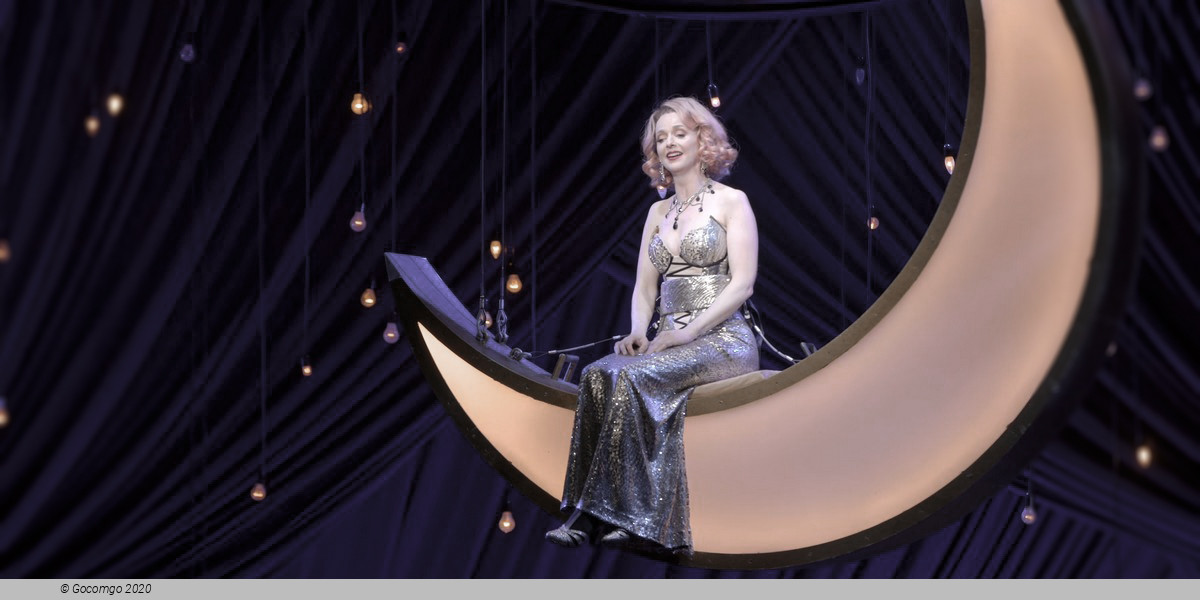
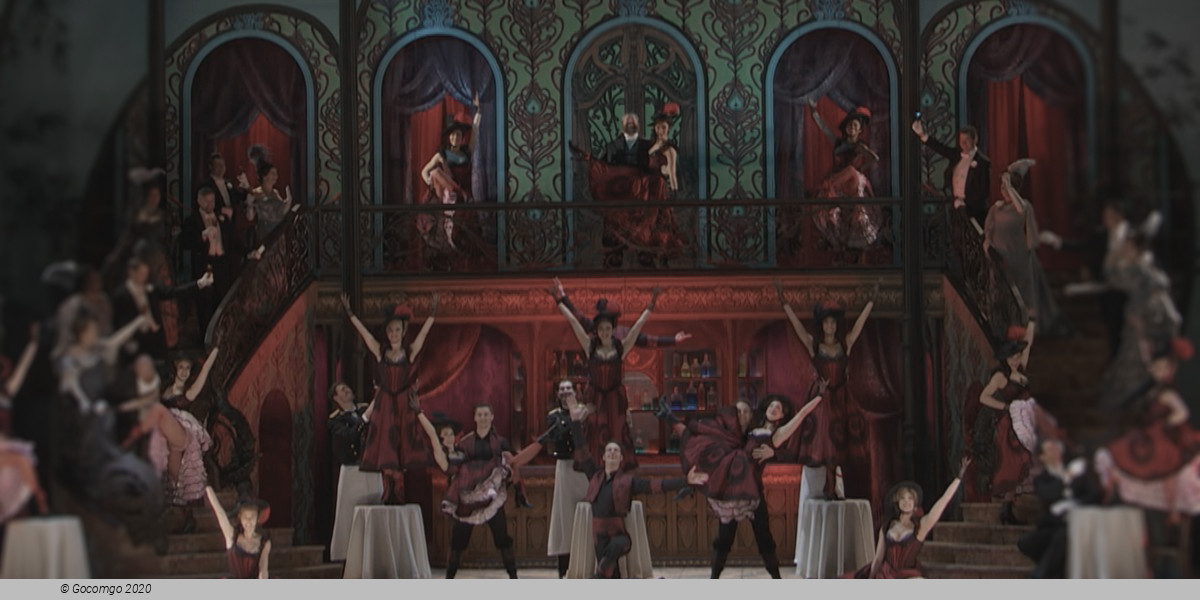
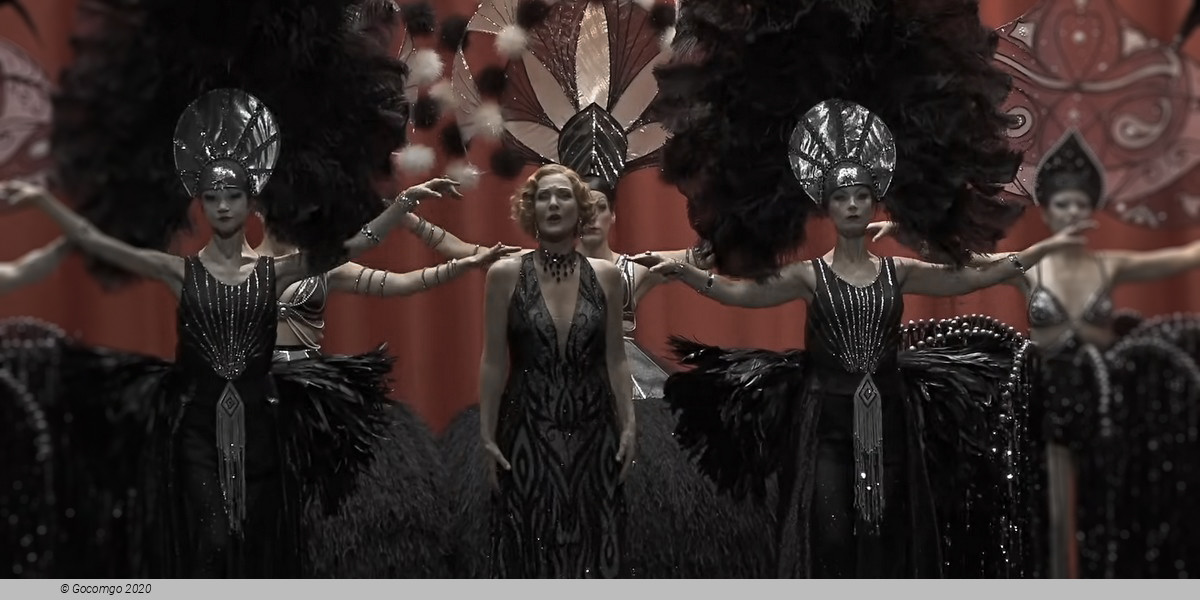
Lehár’s music includes some of the most famous melodies in operetta, including the enchanting “Vilja Song” and the exuberant can-can from the famous Parisian nightclub scene. The score combines romantic lyricism with lively rhythms, creating an atmosphere of sophistication, humor, and charm.

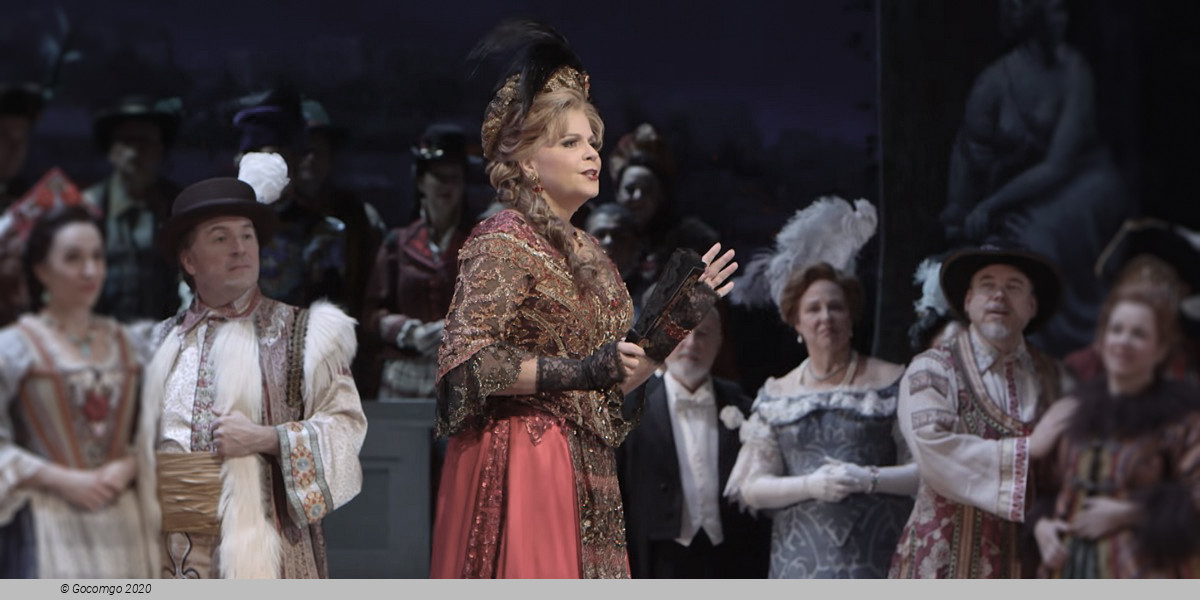
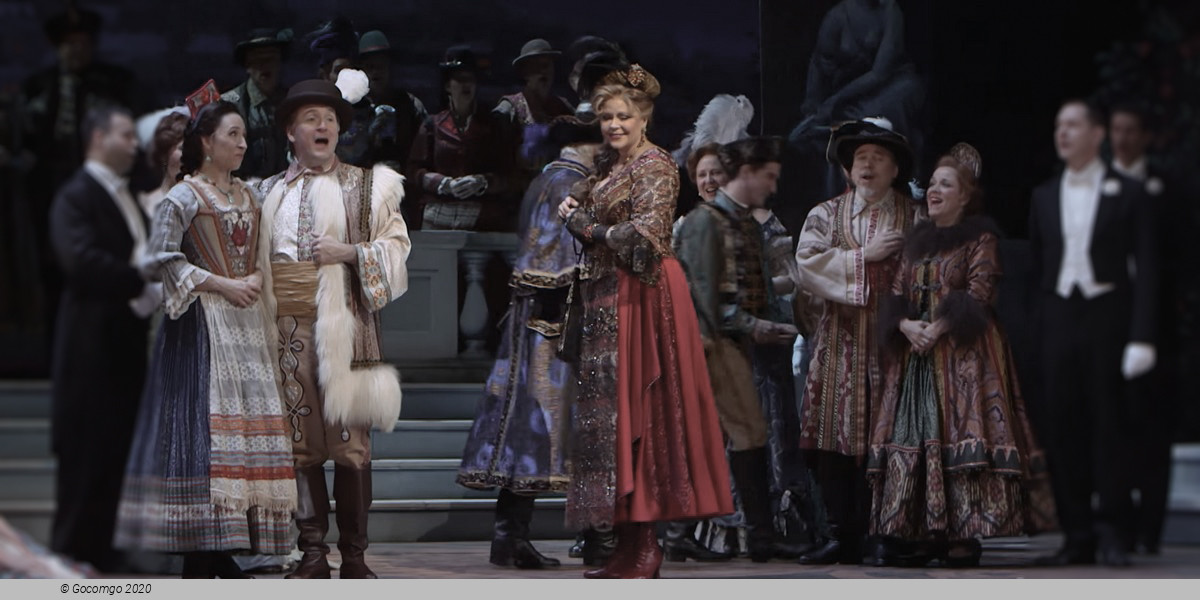
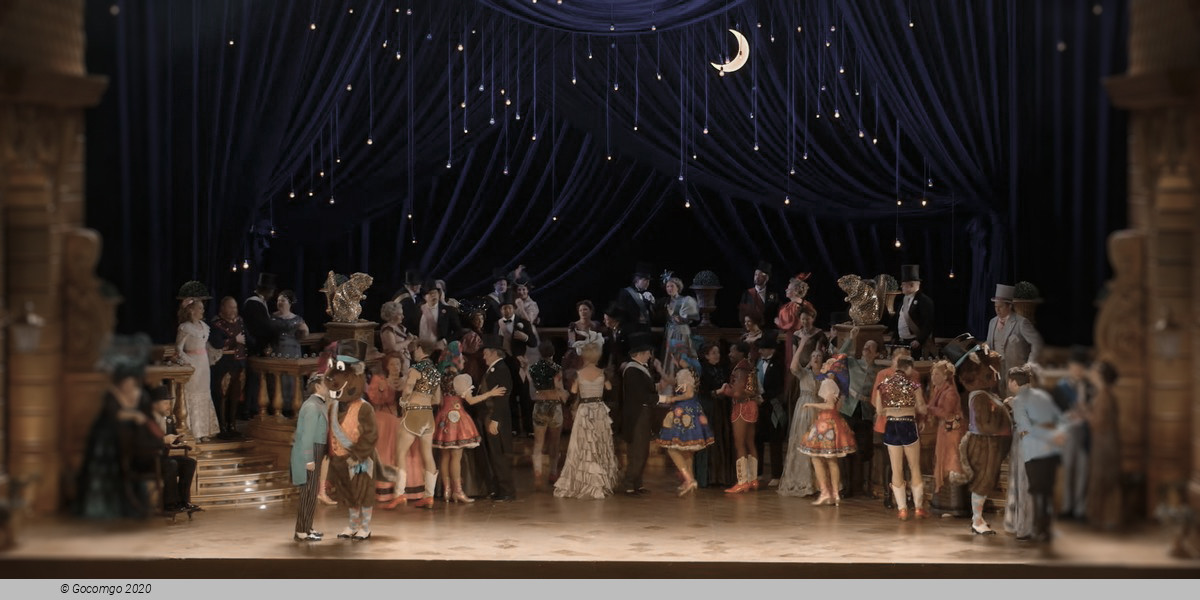
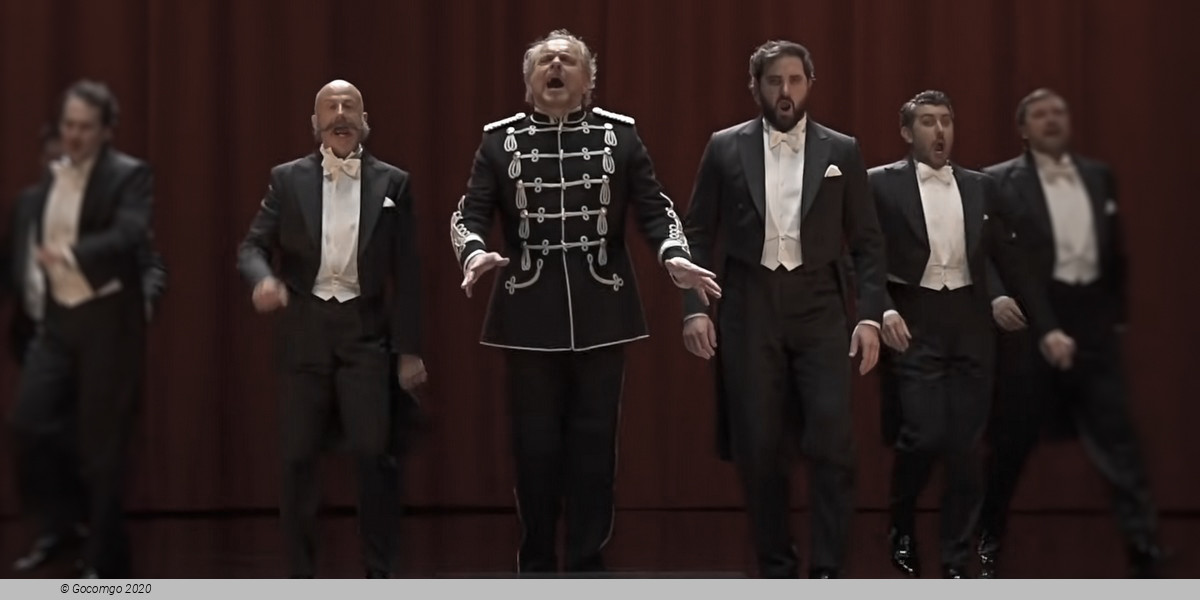
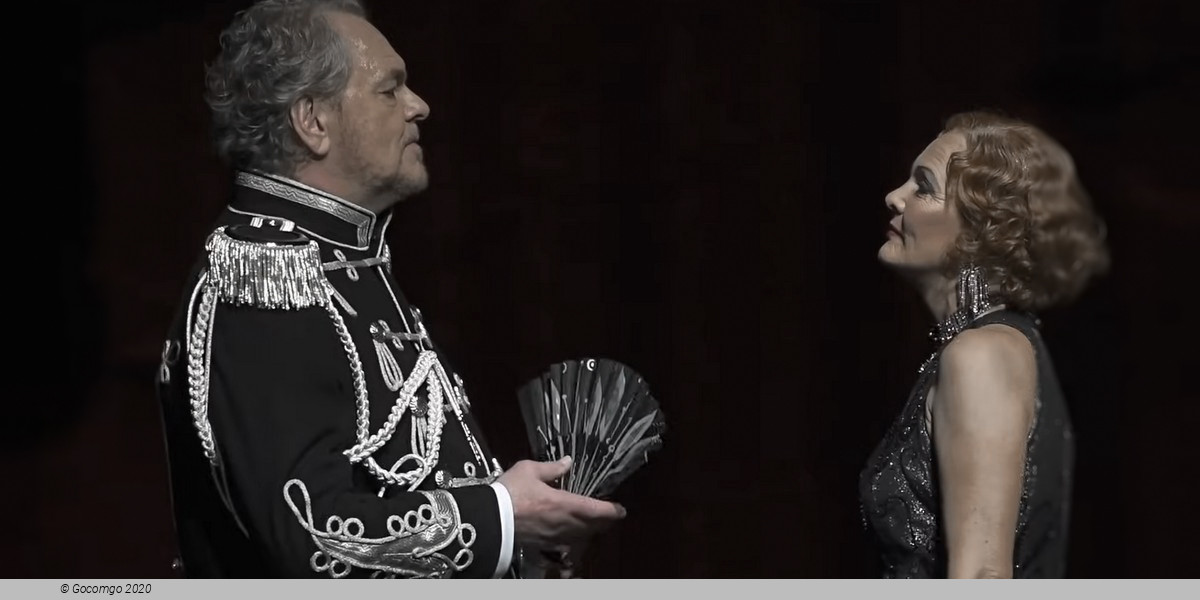
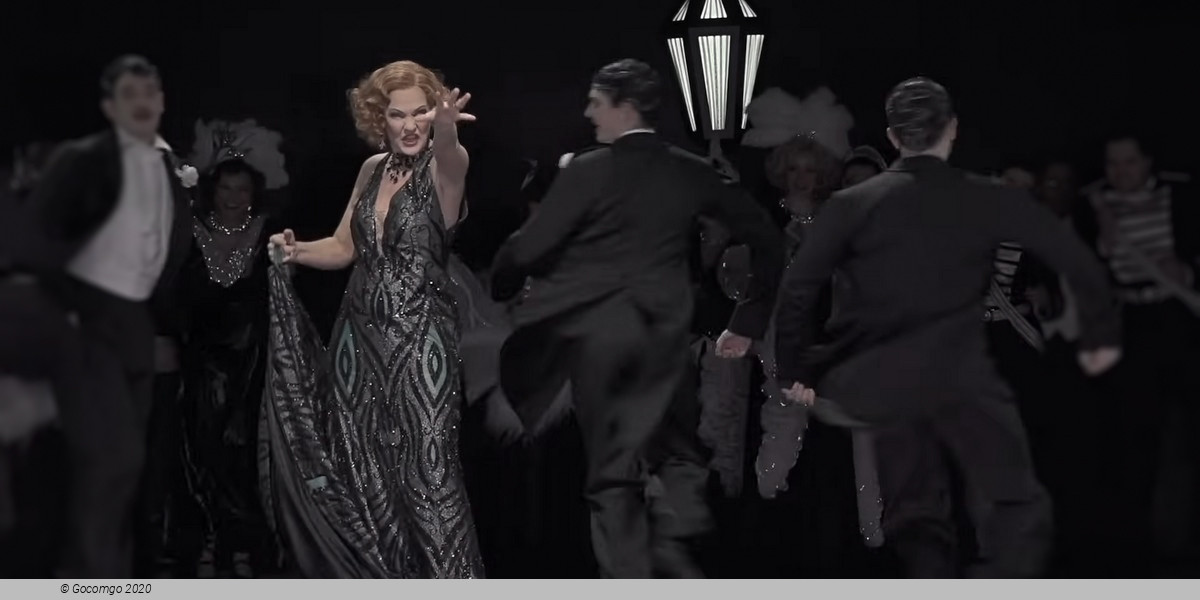
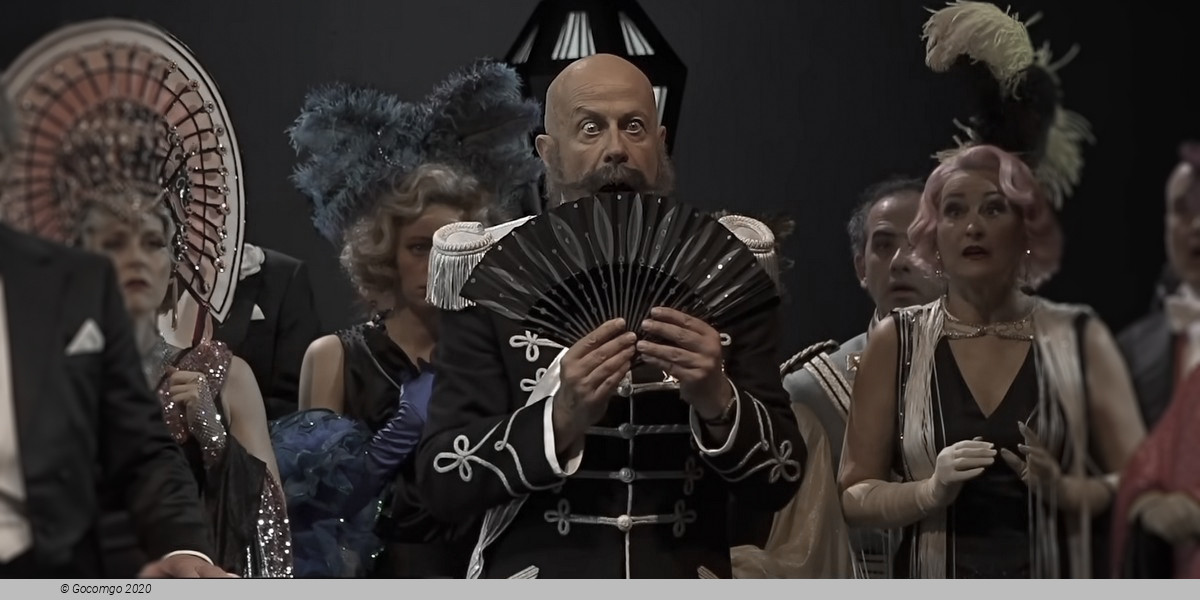
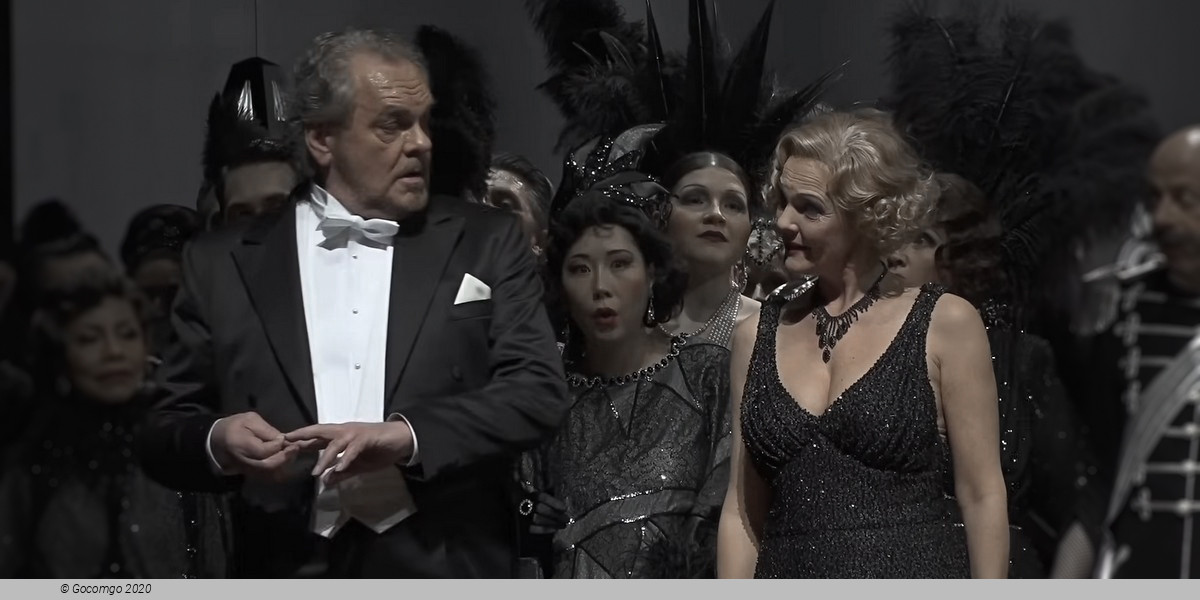
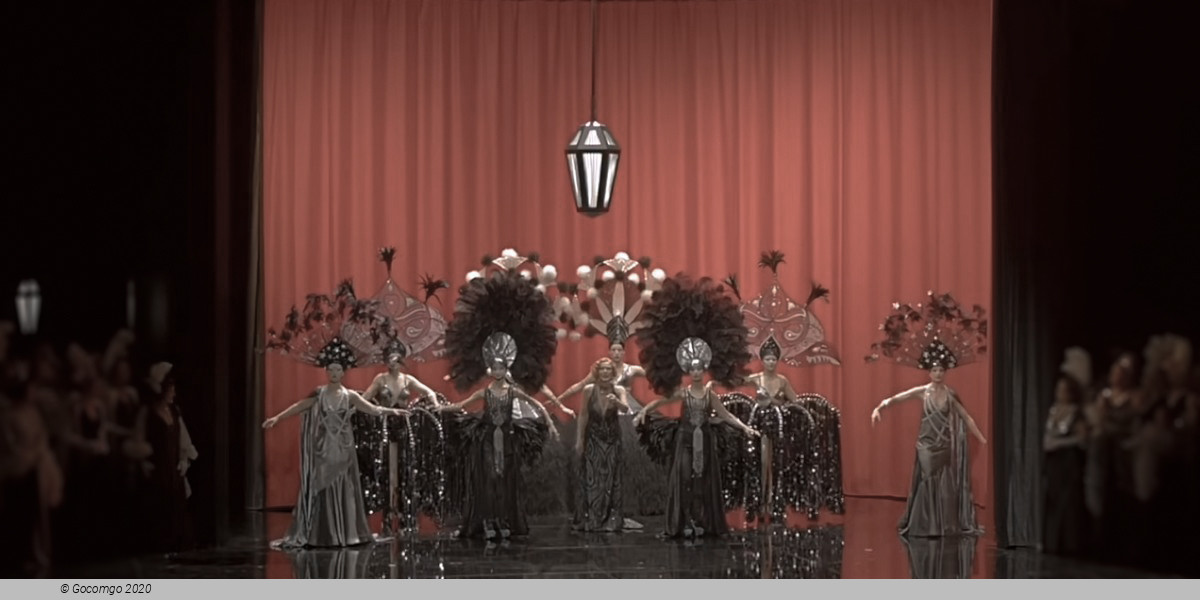
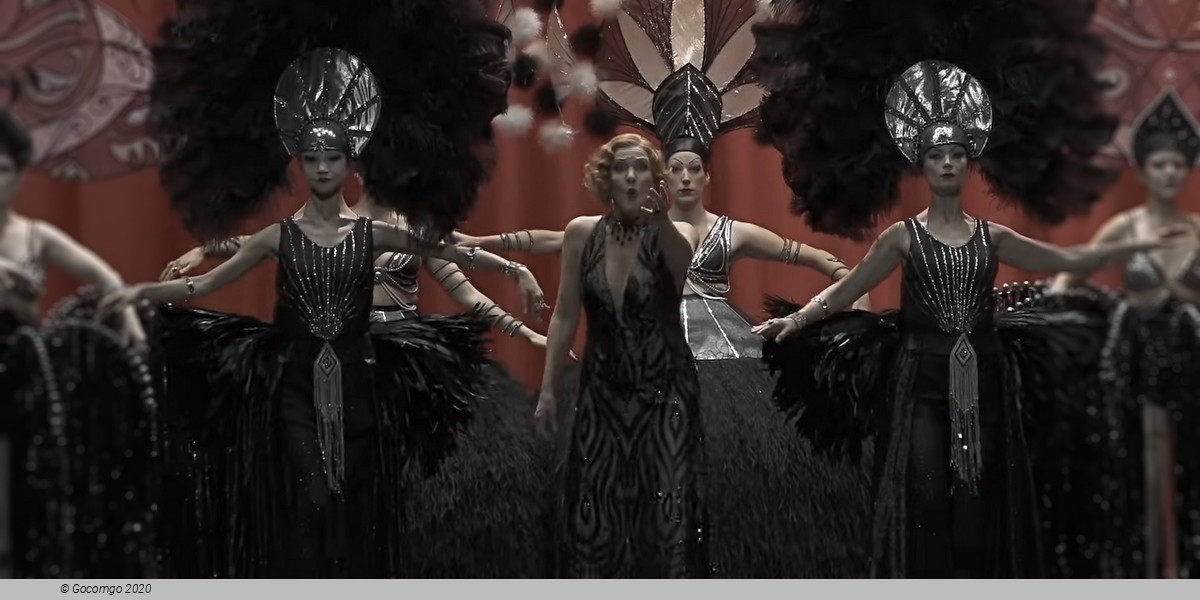
At the Semperoper Dresden, The Merry Widow is brought to life through luxurious staging, stylish costumes, and vibrant choreography that evoke the elegance of early twentieth-century Paris. The production highlights both the romantic warmth and playful satire that have made the operetta beloved by audiences around the world.

With its irresistible melodies, sparkling humor, and glamorous theatrical atmosphere, The Merry Widow remains one of the most delightful and enduring works of the operetta repertoire.

History
Premiere of this production: 30 December 1905, Theater an der Wien, Vienna

The Merry Widow (Die lustige Witwe) is an operetta by the Austro-Hungarian composer Franz Lehár. The librettists, Viktor Léon and Leo Stein, based the story – concerning a rich widow, and her countrymen's attempt to keep her money in the principality by finding her the right husband – on an 1861 comedy play, L'attaché d'ambassade (The Embassy Attaché) by Henri Meilhac.

Synopsis

Act 1
The embassy in Paris of the poverty-stricken Balkan principality of Pontevedro is holding a ball to celebrate the birthday of the sovereign, the Grand Duke. Hanna Glawari, who has inherited twenty million francs from her late husband, is to be a guest at the ball – and the Pontevedrin ambassador, Baron Zeta, is scheming to ensure that she will keep her fortune in the country, saving Pontevedro from bankruptcy. The Baron intends that Count Danilo Danilovitsch, the first secretary of the embassy, should marry the widow; unfortunately for this plan, Danilo is not at the party, so Zeta sends Danilo's assistant Njegus to fetch him from Maxim's.

Danilo arrives and meets Hanna. It emerges they were in love before her marriage, but his uncle had interrupted their romance because Hanna had had nothing to her name. Though they still love each other, Danilo now refuses to court Hanna for her fortune, and Hanna vows that she will not marry him until he says "I love you" – something he claims he will never do.

Meanwhile, Baron Zeta's wife Valencienne has been flirting with the French attaché to the embassy, Count Camille de Rosillon, who writes "I love you" on her fan. Valencienne puts off Camille's advances, saying that she is a respectable wife. However, they lose the incriminating fan, which is found by embassy counsellor Kromow. Kromow jealously fears that the fan belongs to his own wife, Olga, and gives it to Baron Zeta. Not recognising it, Baron Zeta decides to return the fan discreetly, in spite of Valencienne's desperate offers to take it "to Olga" herself.

On his way to find Olga, the Baron meets Danilo, and his diplomatic mission takes precedence over the fan. The Baron orders Danilo to marry Hanna. Danilo refuses, but offers to eliminate any non-Pontevedrin suitors as a compromise.

As the "Ladies' Choice" dance is about to begin, Hanna becomes swarmed with hopeful suitors. Valencienne volunteers Camille to dance with Hanna, privately hoping that the Frenchman will marry her and cease to be a temptation for Valencienne herself. True to his bargain with the Baron, Danilo circulates the ballroom, rounding up ladies to claim dances and thin the crowd around the wealthy widow. Hanna, however, chooses the one man who is not apparently interested in dancing with her: Danilo, who immediately announces that he will sell his dance with Hanna Glawari for ten thousand francs, with the proceeds to benefit charity. This extinguishes the remaining suitors' interest in the dance. After they have left, Danilo attempts to dance with Hanna, who refuses in annoyance. Nonchalantly he proceeds to waltz by himself, eventually wearing down Hanna's resistance, and she falls into his arms.

Act 2
Scene 1
The next evening, everyone is dressed in Pontevedrin clothing for a garden party at Hanna's house, now celebrating the Grand Duke's birthday in his own country's fashion. Hanna entertains by singing an old Pontevedrin song: "Es lebt' eine Vilja, ein Waldmägdelein" ("There lived a Vilja, a maid of the woods"). Meanwhile, Baron Zeta fears that Camille will spoil his plan for Hanna to marry a Pontevedrin. Still not recognising the fan as Valencienne's, the Baron orders Danilo to discover the identity of its owner, whom he correctly assumes to be Camille's married lover. The two men, along with Njegus, arrange to meet that evening in Hanna's garden pavilion to discuss Danilo's findings, as well as the problem of securing the widow's fortune for Pontevedro. Seeing the fan, Hanna takes the message on it to be Danilo's declaration of love for her, which he denies. His inquiries regarding the fan prove fruitless, but do reveal infidelities committed by some of the wives of embassy personnel.

Scene 2
That evening, Camille and Valencienne meet in the garden, where Valencienne insists that they must part. Discovering the fan, accidentally left behind by Danilo, Camille begs Valencienne to let him have it as a keepsake. Valencienne agrees, writing "I'm a respectable wife" on it as a rejoinder to Camille's "I love you." Camille persuades Valencienne to join him in the pavilion so that they can say their goodbyes in private. This is of course the same pavilion where Danilo, the Baron, and Njegus have agreed to meet, and the latter, arriving first, locks the door when he spots people inside. Baron Zeta and Danilo follow, but Njegus quickly arranges with Hanna to change places with Valencienne. Camille emerges from the pavilion with Hanna, who announces that they plan to marry, leaving the Baron distraught at the thought of Pontevedro losing Hanna's millions and Valencienne distraught at losing Camille. Danilo is furious, and tells the story of a Princess who cheated on her Prince ("Es waren zwei Königskinder)" before storming off to seek distraction at Maxim's. Hanna realises that Danilo's anger over her engagement to another man proves that he loves her, and she rejoices amid the general despair.

Act 3
Act 3 is set at a theme party in Hanna's ballroom, which she has decorated to look like Maxim's, complete with Maxim's grisettes (can-can dancers). Valencienne, who has dressed herself as a grisette, entertains the guests ("Ja, wir sind es, die Grisetten"). When Danilo arrives, having found the real Maxim's empty, he tells Hanna to give up Camille for the sake of Pontevedro. Much to Danilo's delight, Hanna replies truthfully that she was never engaged to Camille but was protecting the reputation of a married woman. Danilo comes very close to declaring his love for Hanna, but stops himself from doing so when he remembers her money and his proud refusal to court her for it. Njegus produces the fan, which he picked up earlier, and Baron Zeta finally remembers that it belongs to Valencienne. He swears to divorce his wife and marry the widow himself, but Hanna stops him by declaring that she will lose her fortune if she remarries. At this, Danilo promptly confesses his love for her and asks Hanna to marry him. Hanna triumphantly accepts, adding that she will lose her fortune only because it will become the property of her new husband. Valencienne assures Baron Zeta of her fidelity by pointing out her reply to Camille's declaration of love written on the fan: "Ich bin eine anständige Frau" ("I'm a respectable wife"). All ends happily.

Venue Info

Semperoper Dresden - Dresden
Location   Theaterplatz 2

Not only one of the most beautiful opera houses in the world, the Semperoper is renowned both in Germany and abroad for the brilliant star-studded performances by Saxon State Opera as well as numerous international guest artists.

This is the home of the Staatskapelle Dresden, an orchestra which looks back on 460 years of uninterrupted music-making. The State Opera Chorus was founded by Carl Maria von Weber in 1817. Operatic history has been written here, with the Semperoper playing host to numerous important premieres, such as Richard Wagner’s "Rienzi", "Der fliegende Holländer" and "Tannhäuser". There is also an indissoluble link to Richard Strauss, nine of whose 15 operas were premiered in Dresden, including "Salome", "Der Rosenkavalier" and "Elektra". The small venue Semper Zwei provides space for diverse forms of music theatre as well as theatrical experiments, and is also the venue for performances of Semperoper Junge Szene.

The magnificent Semperoper dominates the Theaterplatz be-side the river Elbe, forming the centrepiece of the historic old city. The original building opened its doors in 1841, constructed to a design by Gottfried Semper which combined a late Classical style with Renaissance elements. Following a devastating fire in 1869, the citizens of Dresden immediately set about rebuilding their beloved opera house. This was completed in 1878, also to a design by Semper. In 1945, during the final months of World War II, the Semperoper was once again razed to the ground.

After a second reconstruction was successfully completed in 1985, the reopening of one of Europe’s most beautiful opera houses was celebrated with a performance of Carl Maria von Weber’s "Freischütz".
The dazzling interiors were painstakingly reconstructed by local craftsmen and artists according to original plans, with state-of-the art stage machinery and technical fittings in the auditorium. A modern annex was added to house the administrative offices and rehearsal rooms. Internationally renowned for its brilliant acoustics and incomparable performances, audiences from around the world continue to flock here to enjoy unforgettable experiences at the Semperoper Dresden.

Important Info
Type: Operetta
City: Dresden, Germany
Starts at: 14:00
Top of page