Teatro del Maggio Musicale Fiorentino tickets 9 November 2027 - Anna Bolena | GoComGo.com

Anna Bolena

Teatro del Maggio Musicale Fiorentino, Sala Grande, Florence, Italy
All photos (6)
Select date and time
8 PM
From
US$ 102

E-tickets: Print at home or at the box office of the event if so specified. You will find more information in your booking confirmation email.

You can only select the category, and not the exact seats.
If you order 2 or 3 tickets: your seats will be next to each other.
If you order 4 or more tickets: your seats will be next to each other, or, if this is not possible, we will provide a combination of groups of seats (at least in pairs, for example 2+2 or 2+3).

Important Info
Type: Opera
City: Florence, Italy
Starts at: 20:00
Intervals: 1
Duration: 3h 40min

E-tickets: Print at home or at the box office of the event if so specified. You will find more information in your booking confirmation email.

You can only select the category, and not the exact seats.
If you order 2 or 3 tickets: your seats will be next to each other.
If you order 4 or more tickets: your seats will be next to each other, or, if this is not possible, we will provide a combination of groups of seats (at least in pairs, for example 2+2 or 2+3).

Overview

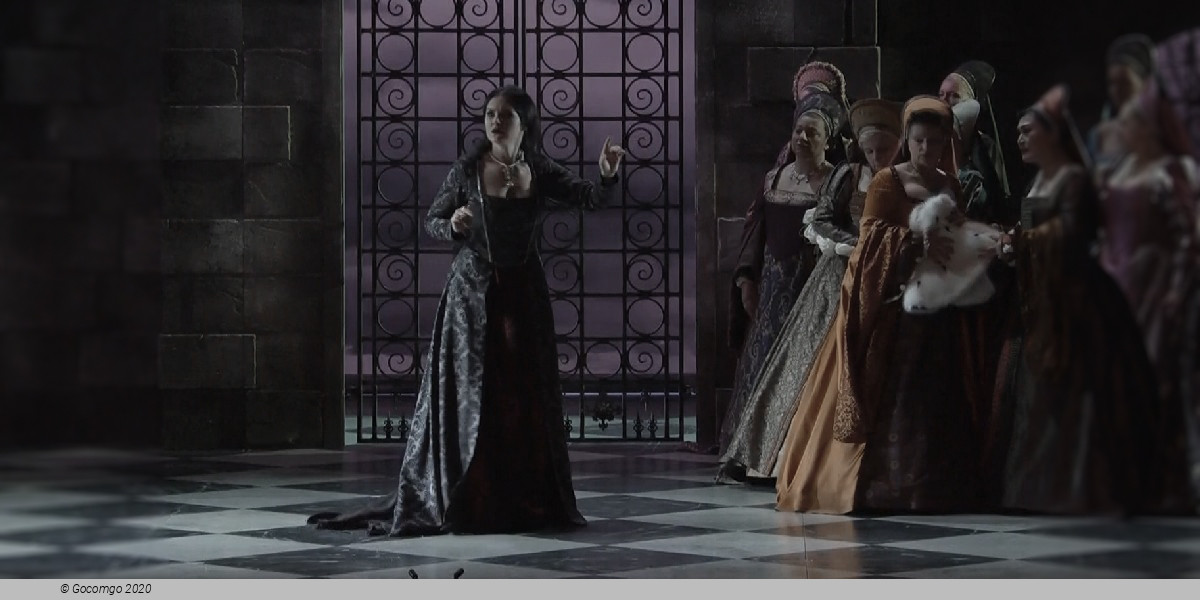
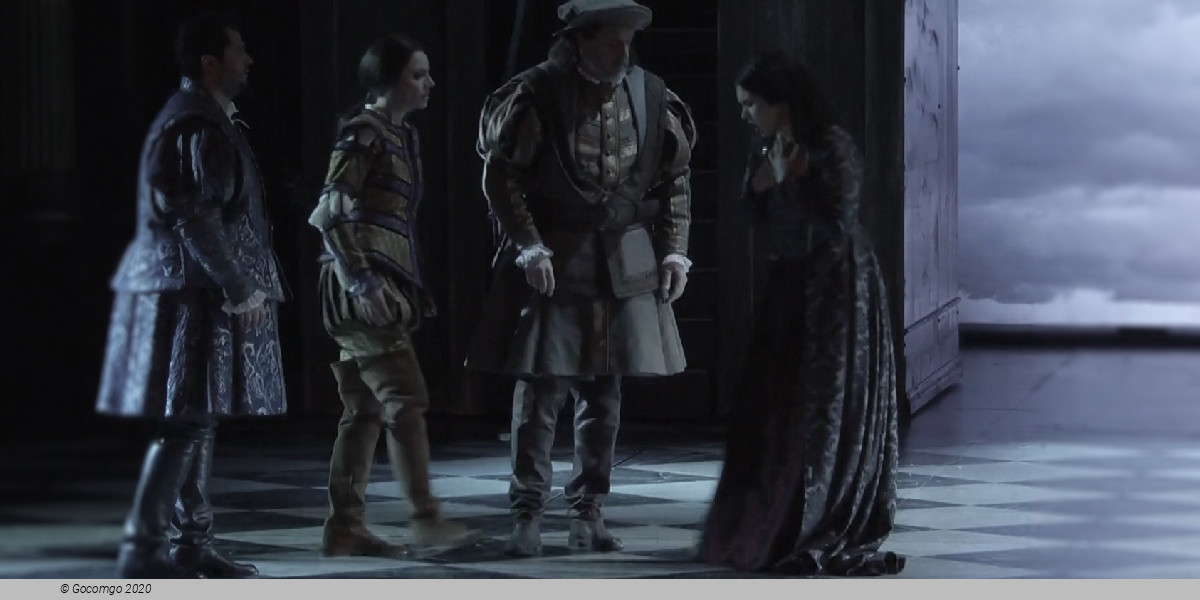
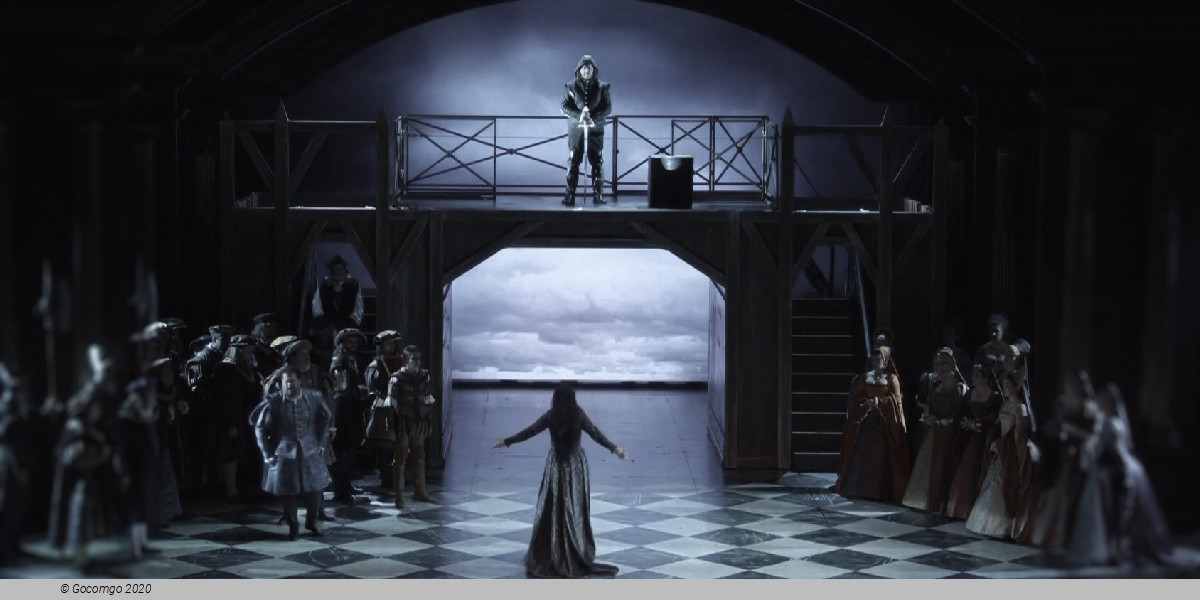
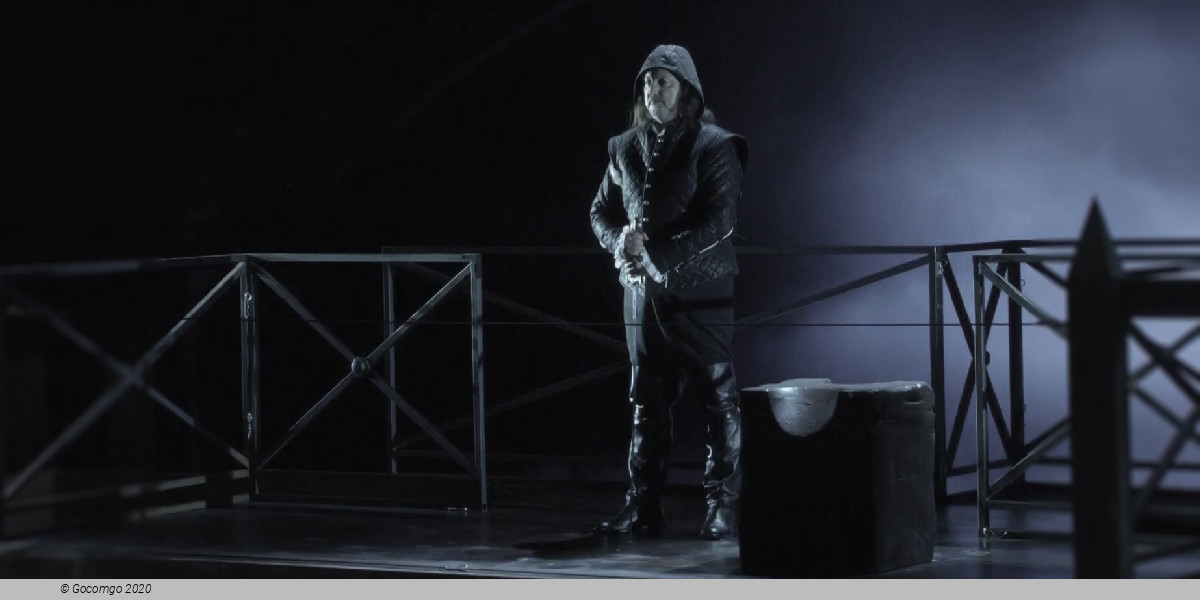
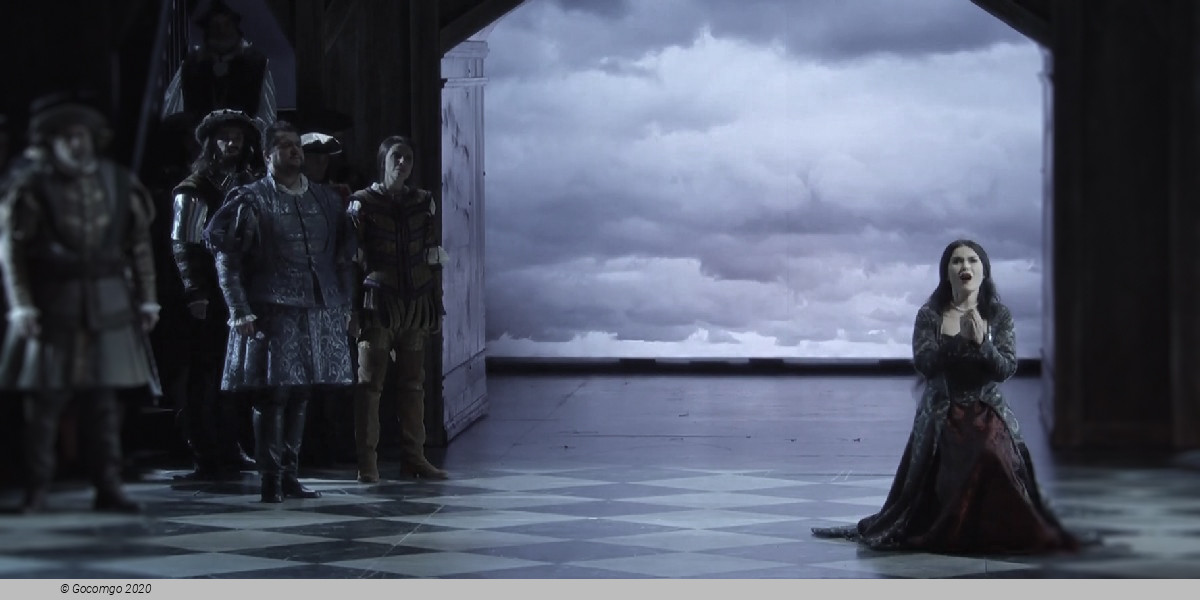
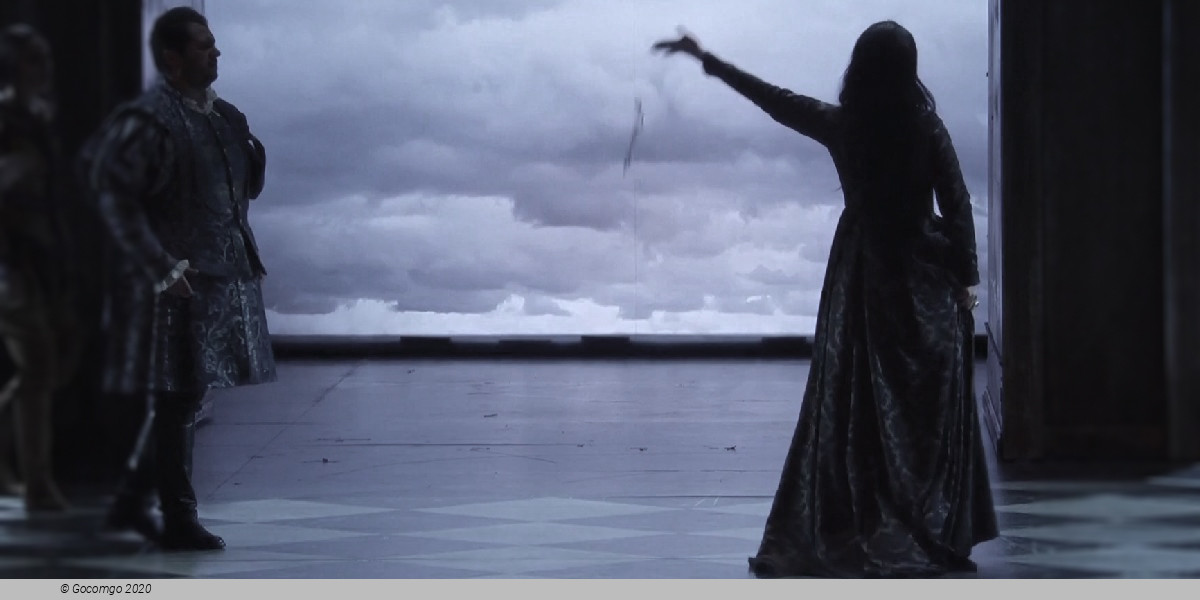
The Maggio’s project dedicated to Donizetti’s “Tudor Queens” will begin with Anna Bolena, presented in a new production in co-production with the Teatro Lirico di Cagliari.

The performance will be conducted by Michele Spotti, while Andrea Bernard returns as stage director, following his previous production of Lucrezia Borgia at the Maggio. The role of Anna Bolena, the ill-fated queen, will be performed by soprano Jessica Pratt. Alex Esposito will sing the role of Enrico, Raffaella Lupinacci will portray Giovanna, and René Barbera will perform Percy.

Stagin by Maggio Musicale Fiorentino in coproduction with Teatro Lirico di Cagliari

History
Premiere of this production: 26 December 1830, Teatro Carcano, Milan

Anna Bolena is a tragic opera (tragedia lirica) in two acts composed by Gaetano Donizetti. Felice Romani wrote the Italian libretto after Ippolito Pindemonte's Enrico VIII ossia Anna Bolena and Alessandro Pepoli's Anna Bolena, both recounting the life of Anne Boleyn, the second wife of England's King Henry VIII.

Synopsis

Time: 1536
Place: Windsor and London

Act 1
Scene One: Night. Windsor Castle, Queen's apartments

Courtiers comment that the queen’s star is setting, because the king’s fickle heart burns with another love.

Jane Seymour enters to attend a call by the Queen; Anna enters and notes that people seem sad. The queen admits to Jane that she is troubled. At the queen’s request, her page Smeaton plays the harp and sings in an attempt to cheer the people present. The queen asks him to stop. Unheard by any one else, she says to herself that the ashes of her first love are still burning, and that she is now unhappy in her vain splendor. All leave, except Jane.

Henry VIII enters and tells Jane that soon she will have no rival, that the altar has been prepared for her, and that she will have husband, sceptre, and throne. Each leaves by a different door.

Scene Two: Day. Around Windsor Castle

Lord Rochefort, Anna’s brother, is surprised to meet Lord Richard Percy, who has been called back to England from exile by Henry VIII. Percy asks if it is true that the Queen is unhappy and that the King has changed. Rochefort answers that love is never content.

Hunters enter. Percy is agitated at the prospect of possibly seeing Anna, who was his first love. Henry and Anna enter and express surprise at seeing Percy. Henry does not allow Percy to kiss his hand, but says that Anna has given him assurances of Percy’s innocence but she still has feelings for Percy. Henry VIII tells Hervey, an officer of the king, to spy on every step and every word of Anna and Percy.

Scene Three: Windsor Castle, close to the Queen's apartments

Smeaton takes a locket from his breast containing Anna’s portrait. He has stolen it and has come to return it. He hears a sound and hides behind a screen. Anna and Rochefort enter. Rochefort asks Anna to hear Percy. Then he leaves. Smeaton peeps out from behind the screen, but cannot escape. Percy enters. Percy says that he sees that Anna is unhappy. She tells him that the king now loathes her. Percy says that he still loves her. Anna tells him not to speak to her of love. Before leaving, Percy asks whether he can see Anna again. She says no. He draws his sword to stab himself, and Anna screams. In the mistaken belief that Percy is attacking Anna, Smeaton rushes out from behind the screen. Smeaton and Percy are about to fight. Anna faints, and Rochefort rushes in. Just then, Henry VIII enters and sees the unsheathed swords. Summoning attendants, he says that these persons have betrayed their king. Smeaton says that it is not true, and tears open his tunic to offer his breast to the king for slaying if he is lying. The locket with Anna’s portrait falls at the king’s feet. The king snatches it up. He orders that the offenders be dragged to dungeons. Anna says to herself that her fate is sealed.

Act 2

Scene One: London. Antechamber of the Queen's apartments

The guards note that even Jane Seymour has stayed away from Anna. Anna enters with a retinue of ladies, who tell her to place her trust in heaven. Hervey enters and says that the Council of Peers has summoned the ladies into its presence. The ladies leave with Hervey. Jane enters and says that Anna can avoid being put to death by admitting guilt. Anna says that she will not buy her life with infamy. She expresses the hope that her successor will wear a crown of thorns. Jane admits that she is to be the successor. Anna tells her to leave, but says that Henry VIII alone is the guilty one. Jane leaves, deeply upset.

Scene Two: Antechamber leading into the hall where the Council of Peers is meeting

Hervey tells courtiers that Anna is lost, because Smeaton has talked and has revealed a crime. Henry VIII enters. Hervey says that Smeaton has fallen into the trap. Henry VIII tells Hervey to continue to let Smeaton believe that he has saved Anna's life. Anna and Percy are brought in, separately. Henry VIII says that Anna has made love to the page Smeaton, and that there are witnesses. He says that both Anna and Percy will die. Percy says that it is written in heaven that he and Anna are married. They are led away by guards.

Jane enters. She says that she does not want to be the cause of Anna's death. Henry VIII says that she will not save Anna by leaving. Hervey enters and says that the Council has dissolved the royal marriage and has condemned Anna and her accomplices to death. Courtiers and Jane ask the king to be merciful. He tells them to leave.

Scene Three: Tower of London

Percy and Rochefort are together in their cell. Hervey enters and says that the king has pardoned them. They ask about Anna. Hearing that she is to be executed, they choose to be executed also. They leave, surrounded by guards.

In Anna's cell, a chorus of ladies comment on her madness and grief. Anna enters, she imagines that it is her wedding day to the king. Then she imagines that she sees Percy, and she asks him to take her back to her childhood home (Donizetti used the theme from the English/American song Home Sweet Home as part of Anna’s Mad Scene to underscore her longing). Percy, Rochefort and Smeaton are brought in. Smeaton throws himself at Anna's feet and says that he accused her in the belief that he was saving her life. In her delirium, Anna asks him why he is not playing his lute. The sound of cannon is heard. Anna comes to her senses. She is told that Jane and Henry VIII are being acclaimed by the populace on their wedding day. Anna says that she does not invoke vengeance on the wicked couple. She faints. Guards enter to lead the prisoners to the block. Smeaton, Percy and Rochefort say that one victim has already been sacrificed.

Venue Info

Teatro del Maggio Musicale Fiorentino - Florence
Location   Piazza Vittorio Gui, 1

Teatro del Maggio Musicale Fiorentino is a major opera house in Florence and the main concert venue of the international festival "Maggio Musicale Fiorentino".

The white marble veined with green of the Baptistery of San Giovanni, the brickwork of the dome of Santa Maria del Fiore and finally the dazzling gold of the precious paintings that have made the city of Tuscany one of the world capitals of art: the materials and colors of the Renaissance they meet at the Teatro del Maggio to celebrate the power of music, and the enchantment of melodrama, right in the city where this exceptional form of theater was born. Conceived by the architect Paolo Desideri of the ABDR studio, the “new house” of the Maggio Musicale Fiorentino rises at the meeting point between the monumental center and the Parco delle Cascine, the green lung of the city.

An important connective function also reaffirmed by the vast system of open areas that can be reached through the two areas of the city and the different volumes of the building. Moreover, the proximity to the Stazione Leopolda helps to create a cultural pole of European importance.

Above a sort of wide base, a sloping skirting, there are the large music rooms and the enigmatic volume of the 35 meter high stage tower. Three rooms, which can work simultaneously: the 1800-seat opera theater, distributed between the stalls, boxes and gallery, an outdoor 2000-seat auditorium and finally an auditorium, dedicated to maestro Zubin Mehta, which varies its capacity from 500 to 1000 spectators.

As in a great musical instrument, the walls of the main hall are covered in pear wood to guarantee perfect acoustics. A dense network of thin copper chains also helps to transport the sound without distortion. The stage has a depth doubled compared to the average of Italian and foreign theaters and, thanks to its flexibility, is able to accommodate in its side pockets up to two sets ready to be moved during the intervals. The Cavea is positioned in the theater’s roof to complement and conclude the extensive system of squares, terraces and belvedere.

Its usability is therefore not limited to representations only, but is extended to the entire day to turn its stone steps into real urban salons. Inaugurated on December 21, 2011 with the Ninth Symphony of Ludwig van Beethoven directed by Zubin Mehta, the Teatro del Maggio is the permanent venue of the Orchestra and Chorus of the Maggio Musicale Fiorentino and has already hosted Masters such as Claudio Abbado, Riccardo Muti, Gustavo Dudamel , Daniele Gatti, Fabio Luisi, leading groups such as the Berliner Philharmoniker, the St. Petersburg Philharmonic Orchestra and the National de France Orchestras. Among the many artists who performed there are Alessandra Ferri, Mariella Devia, Sumi Jo, Anja Harteros, Aldo Ciccolini, Uto Ughi, Maurizio Pollini, Krystian Zimerman, Gregory Kunde, Ambrogio Maestri. In 2014 he received the National Award for the best architectural work made in Italy in the last 5 years.

Important Info
Type: Opera
City: Florence, Italy
Starts at: 20:00
Intervals: 1
Duration: 3h 40min
Top of page