Place: Gaza
Time: c. 1150 BC
Act 1
A square in Gaza at night
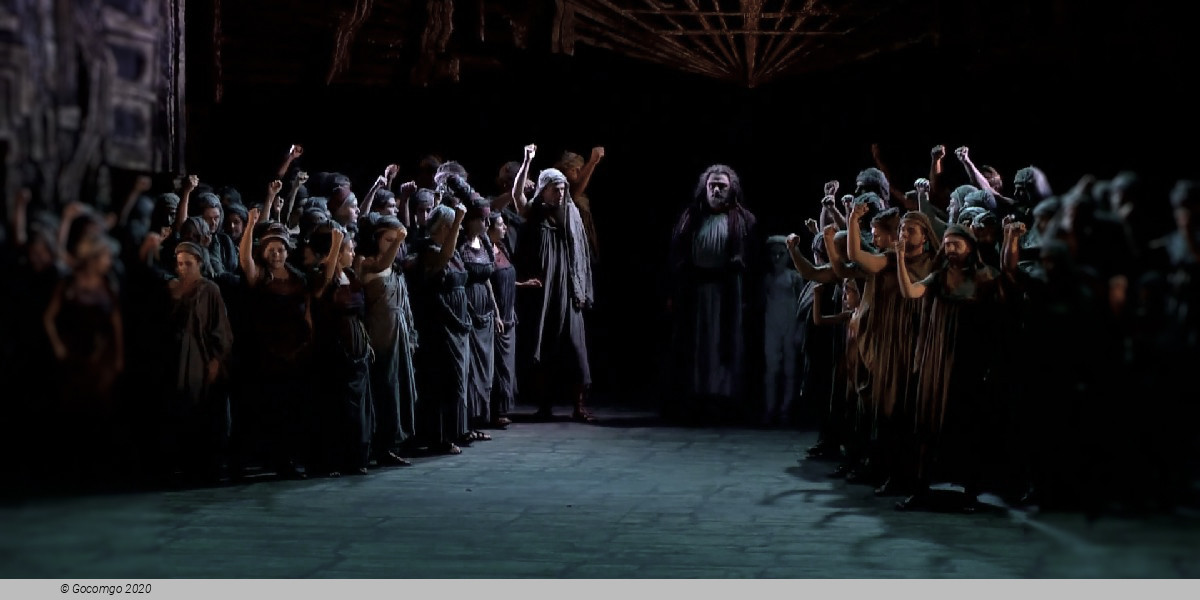
In a square outside the temple of Dagon, a group of Hebrews beg Jehovah for relief from their bondage to the Philistines in a melancholy chorus ("Dieu d'Israël – God of Israel"), which leads into a fugue ("Nous avons vu nos cités renversées – We have seen our cities overturned"). Samson tries to revive the Israelites' morale and faith in God ("Arrêtez, ô mes frères – Stop, O my brothers") in a rousing aria set against the chorus's continuous prayer. Abimelech, the Philistine governor, appears and taunts the Israelites, saying that they are helpless because their god has abandoned them. He further states that his god, Dagon, is far superior ("Ce Dieu que votre voix implore – This God that your voice implores"). The Hebrews cower in fear before Abimelech until Samson incites them into defiant action. Enraged, Abimelech attacks an unarmed Samson with his sword. Samson manages to wrest the sword from Abimelech and kills him.
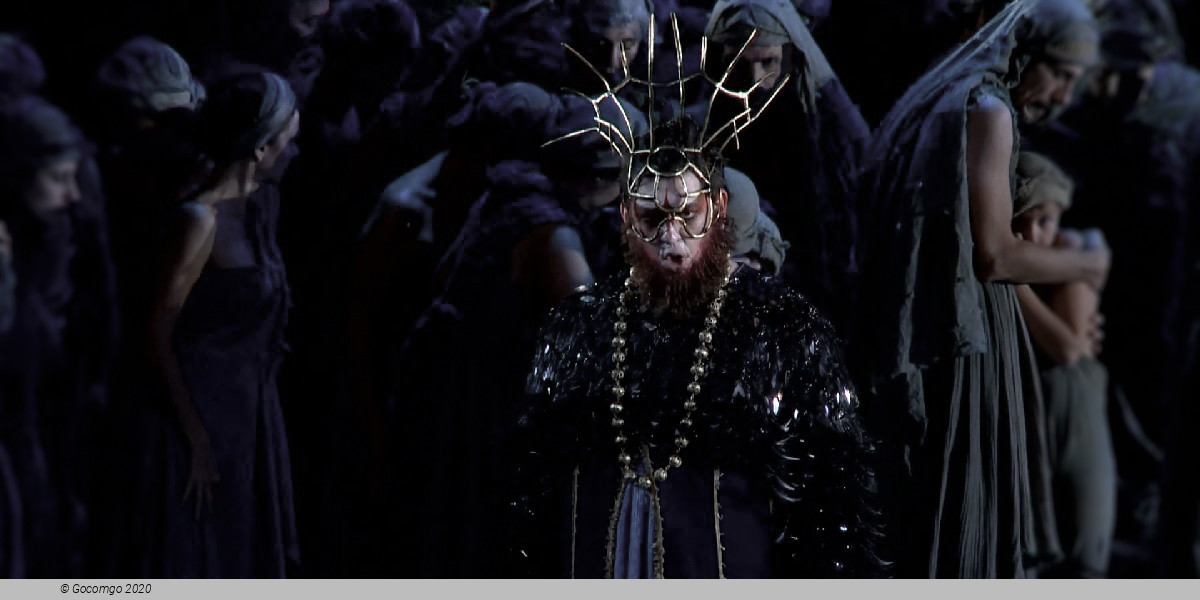
Afraid of what might now happen, the Hebrews flee, abandoning Samson. The High Priest of Dagon comes from the Philistine temple and curses the Hebrews and Samson's prodigious strength. A messenger arrives and informs the High Priest that the Hebrews are destroying the harvest. He responds with a further curse that alludes to his plot to utilize Dalila's beauty to outwit Samson's strength ("Qu'enfin une compagne infâme trahisse son amour! – Finally an infamous companion betray his love!").
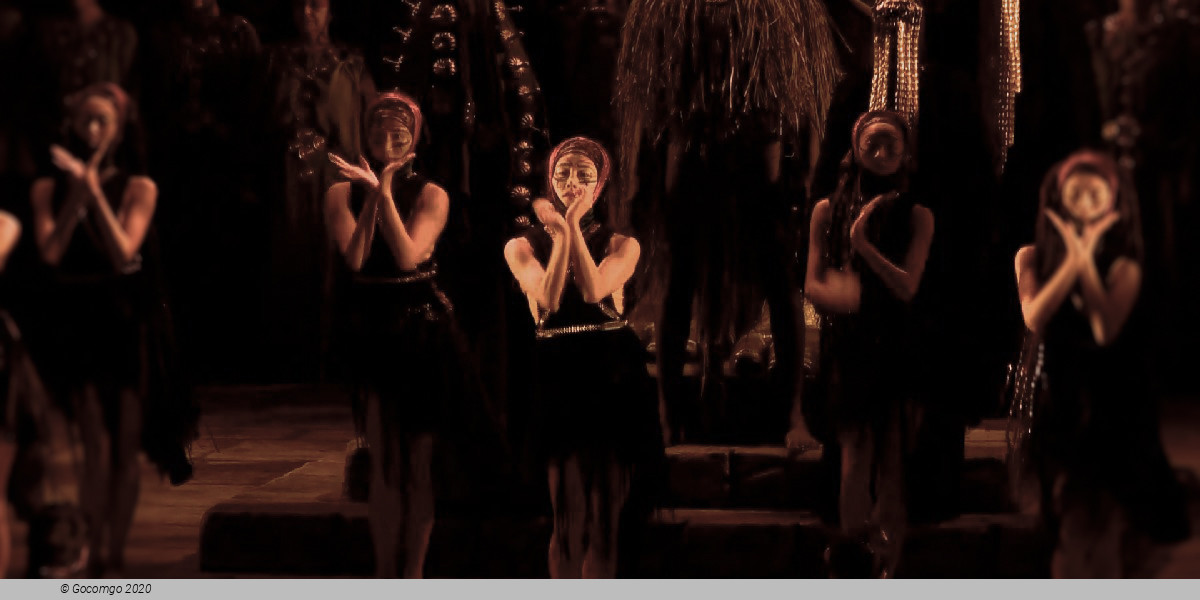
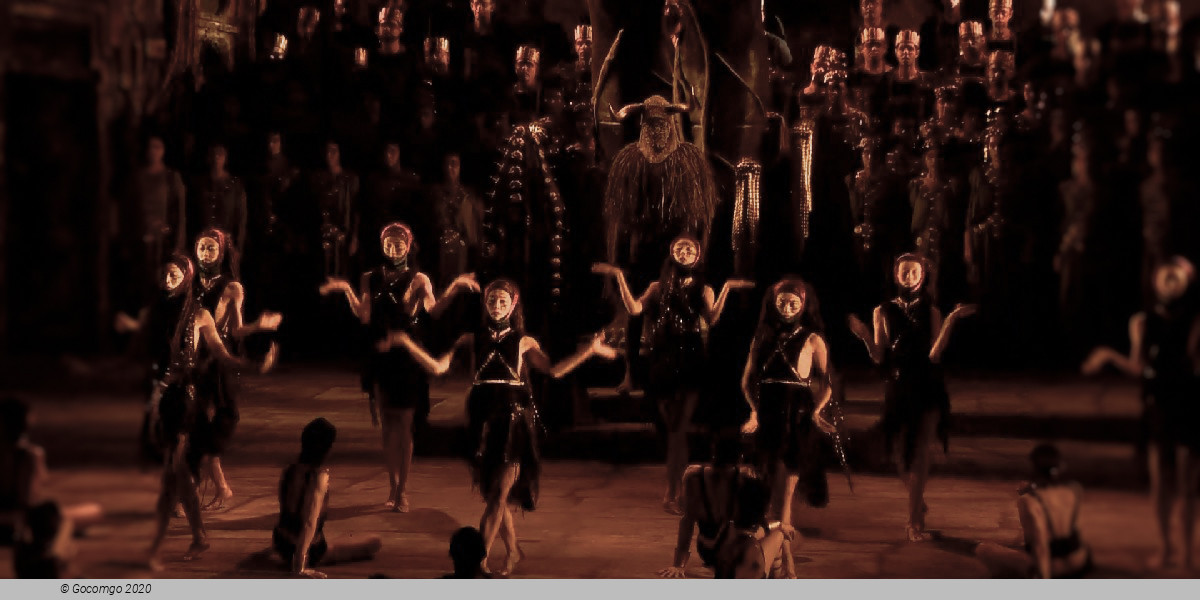
As dawn breaks the Hebrews lift up a humble prayer to God in a style reminiscent of plainchant. Out of the temple emerges Dalila along with several priestesses of Dagon. As they walk down the temple steps, they sing of the pleasures of spring. Dalila engages seductively with Samson proclaiming that he has won her heart and bids him to come with her to her home in the valley of Sorek. As she tries to charm him, a trio forms as an old Hebrew warns of the danger this woman presents and Samson prays for God's protection from Dalila's charms. In an attempt to seduce Samson away from his leadership of the Israelite uprising, Dalila and the priestesses begin a sexually charged dance for him accompanied by a tambourine. After the dance, Dalila sings how spring is blossoming all around her yet, in her heart, she feels like it is still winter ("Printemps qui commence – Spring begins"). As Samson struggles with his desire for Dalila, the old Hebrew repeats his cautionary plea. His warning, however, is made in vain and the curtain closes as Samson meets Delilah's gaze with every intention of going to her nearby dwelling.
Act 2
Delilah's retreat in the Valley of Sorek
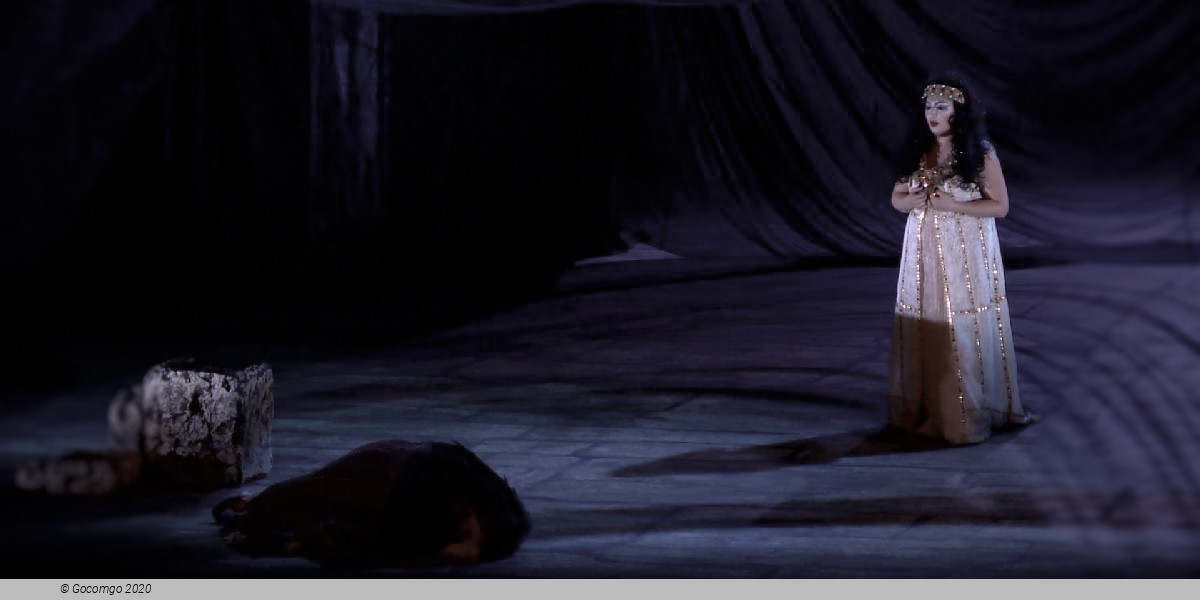
Dalila knows that Samson is entranced with her and will come to her instead of leading the revolution against the Philistines. Sitting on a rock outside the entrance to her retreat, she sings triumphantly about her power to ensnare Samson. She says that all of his strength is hopeless to withstand love's onslaught ("Amour! viens aider ma faiblesse – Love! come help my weakness").
Distant lightning is seen as the High Priest arrives to report that Samson and the Hebrews have conquered the Philistines. He attempts to achieve Samson's capture by offering Dalila gold, but she refuses saying she cares not for money but only for revenge. Her desire to hurt Samson is motivated solely by her loyalty to her gods and her hatred for the Hebrews. Dalila and the High Priest sing a duet expressing their mutual abhorrence for Samson and the Hebrews. Dalila vows to discover the secret of Samson's strength.
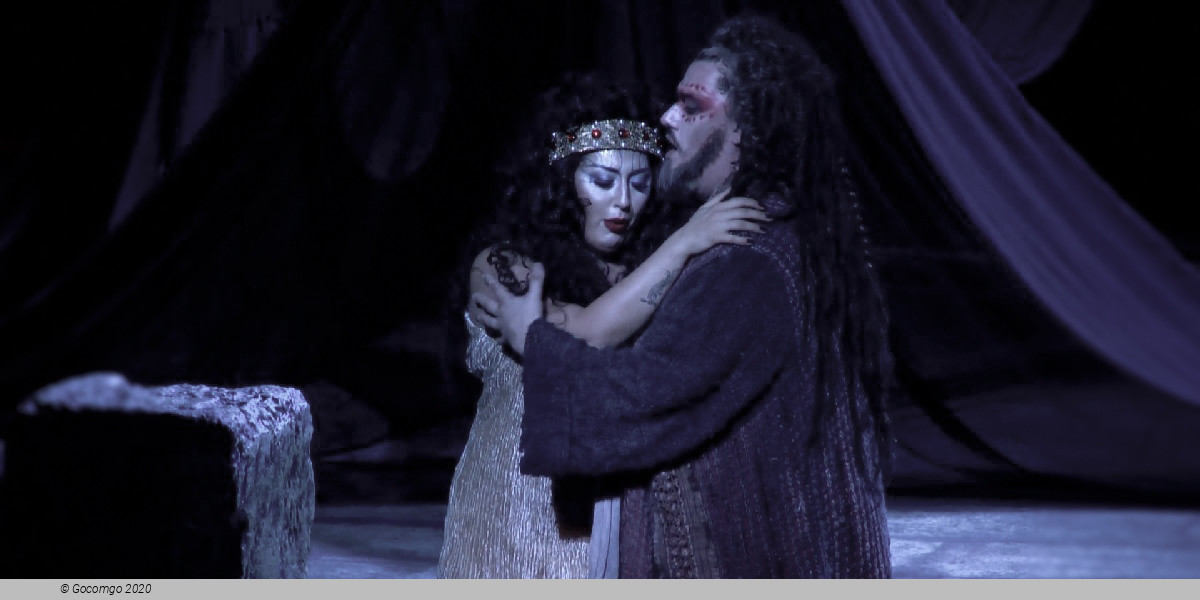
Now alone, Dalila contemplates her chances of success. Samson, intent on taking his place as the leader of the Hebrew revolt, emerges to say his last farewell as distant lightning is once again seen. In an attempt to close the trap which she has set for Samson, Dalila tells Samson seductively that she is completely his if he wants her. She begs him to respond to her caresses, hoping that he will finally let go of all other things and concentrate completely on her. His admission Je t'aime! introduces her main aria "Mon cœur s'ouvre à ta voix – My heart opens to your voice", which becomes a duet on the second verse when Samson joins her in song. Now that Dalila has him in her power, she feigns disbelief in his constancy and demands that he show his love by confiding in her the secret of his strength. Samson hears rolling thunder again which now seems like a warning from God and refuses. Dalila weeps and scorns Samson and runs into her dwelling. Samson is momentarily torn but then follows Dalila inside. Not long afterward, having finally learned that the secret of Samson's strength is his long hair, she calls to hidden Philistine soldiers, who rush in to capture and blind Samson.
Act 3
The city of Gaza
Scene 1: In a dungeon at Gaza
His hair shorn and now blind and shackled, Samson is turning a mill-wheel and praying for his people, who will suffer for his sin. He hears their voices, echoing the Hebrews' lament from act 1. Overcome with remorse, Samson offers his life in sacrifice, while the Hebrews are heard in the distance lamenting his fate.
Scene 2: In the Temple of Dagon
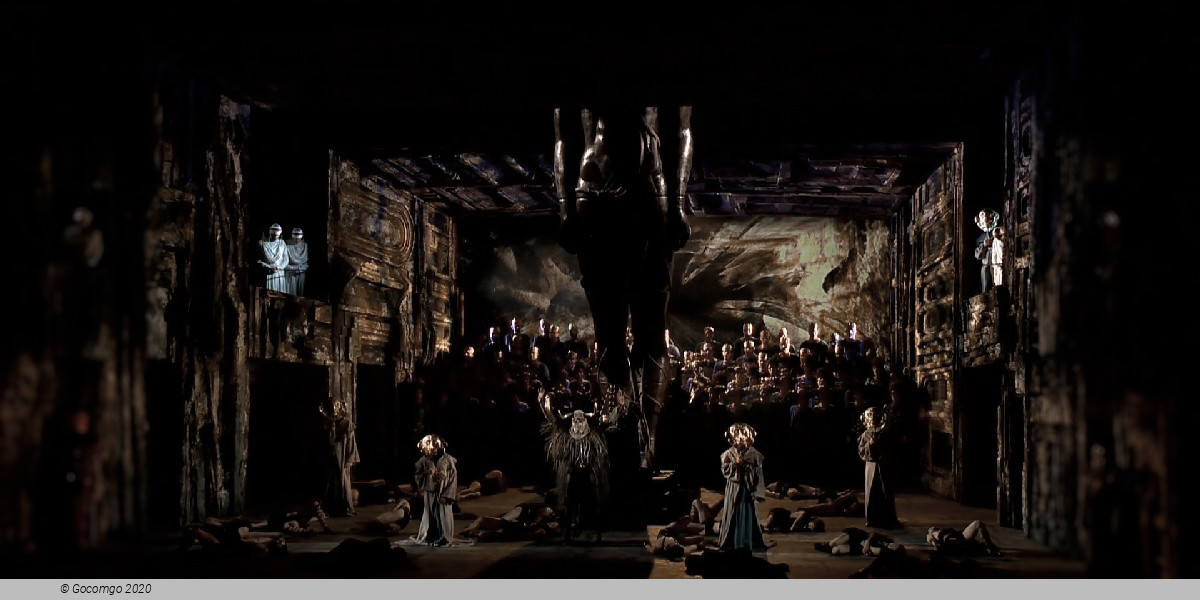
A musical interlude is played as the scene changes to the temple of Dagon, where the Philistines are preparing a sacrifice to commemorate their victory. The priests and priestesses of Dagon sing softly, reprising the song to spring from act 1. The music turns savage as the priests dance a wild Bacchanale. Following the dance, Samson enters led by a boy. He is ridiculed by the High Priest and the crowd. Dalila taunts Samson further by recounting to him the details of her devious plot in a variant of her love song. When the priests try to force him to kneel before Dagon, he asks the boy to lead him to the two main pillars of the temple, then telling the child to flee. Samson prays to God to restore his strength, and pushes down the pillars and the temple with them, crushing himself and his enemies. The curtain falls.



 Piazza Verdi